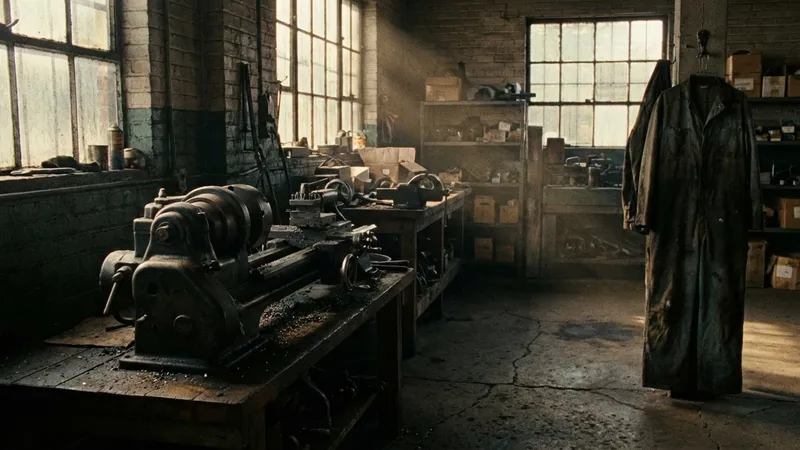
A Florida jury awarded $18 million to Denise Cook, a 64-year-old woman who developed peritoneal mesothelioma after years of secondary exposure to asbestos brake dust from her father’s auto repair shop.
Cook never worked with brakes herself. As a child, she laundered her father’s and brothers’ work clothes and visited their shop, where an Ammco brake grinder released chrysotile asbestos fibers into the air. Decades later, she was diagnosed with a cancer that kills most patients within two years.
The Case: Cook v. Hennessy Industries
The verdict came on March 14, 2025, in Broward County’s 17th Circuit Court. Hennessy Industries, maker of the Ammco brake grinder used in Cook’s father’s shop, was the sole defendant at trial.
Cook’s legal team at Maune Raichle Hartley French and Mudd presented evidence that chrysotile asbestos in brake linings became airborne when mechanics used the grinder. The fibers settled on workers’ clothing, hair, and skin. Cook inhaled them as a child while doing laundry and spending time at the shop.
Hennessy’s attorneys argued that Cook’s cancer could have been caused by genetic factors, natural causes, or exposure to talc-based cosmetics. The jury rejected those arguments and found the company liable for failing to warn about the dangers of asbestos dust from its brake grinder.
The remaining 85% of fault was distributed among 15 non-party entities, including major auto parts manufacturers and Johnson and Johnson.
Why This Verdict Matters: The Hidden Risk of Secondary Exposure
This case highlights a growing category of mesothelioma lawsuits: secondary asbestos exposure. People who never worked directly with asbestos are developing cancer from fibers brought home on workers’ clothing.
The numbers are stark. According to CDC data, mesothelioma deaths among US women increased 25% between 1999 and 2020, rising from 489 to 614 per year. About 44% of women diagnosed with mesothelioma were exposed through secondary contact, compared to just 3% of men.
Homemakers had the highest mesothelioma death rate of any female occupation from 1999 to 2020. Research shows that wives of asbestos workers face a 10-fold increased risk of developing the disease.
Brake Dust and Asbestos: A Decades-Long Hazard
Chrysotile asbestos was used in automotive brake pads and linings for decades because of its heat resistance. Mechanics who serviced brakes routinely inhaled asbestos fibers, and their families were exposed when contaminated clothes came home.
The Cook verdict is not the first to hold equipment manufacturers responsible. An earlier New York case against Hennessy Industries resulted in a $9 million verdict that was upheld on appeal.
According to the CDC, approximately 3,000 Americans are diagnosed with mesothelioma each year. The disease has a latency period of 20 to 60 years, meaning people exposed to brake dust in the 1970s and 1980s are still being diagnosed today.
Recent Mesothelioma Verdicts
The Cook verdict adds to a wave of significant mesothelioma lawsuit verdicts in 2025 and 2026:
| Amount | Case | Date |
|---|---|---|
| $1.5 billion | Craft v. J&J (Baltimore) | December 2025 |
| $966 million | Moore v. J&J (California) | 2025 |
| $65.5 million | J&J talc (Minnesota) | 2025 |
| $42.6 million | Lovell v. J&J (Massachusetts) | January 2026 |
| $20 million | J&J talc (Florida) | November 2025 |
| $18 million | Cook v. Hennessy (Florida) | March 2025 |
While many recent verdicts involve talc products, the Cook case stands out for holding an equipment manufacturer liable for secondary exposure through brake dust.
What This Means for Families
People who grew up around auto mechanics, construction workers, or other tradespeople who worked with asbestos-containing materials may have been exposed without knowing it. The long latency period means symptoms may not appear for decades.
Abdominal pain, bloating, or unexplained weight loss in anyone with a history of secondary asbestos exposure may warrant medical evaluation. Peritoneal mesothelioma accounts for about 15% of all mesothelioma cases and affects the lining of the abdomen.
What was the Cook v. Hennessy verdict amount?▼
The Florida jury awarded $18 million in total damages. Hennessy Industries was found 15% at fault, making it responsible for $2.7 million. The remaining 85% was apportioned among 15 non-party entities.
Can you get mesothelioma from secondary asbestos exposure?▼
Yes. About 44% of women diagnosed with mesothelioma were exposed through secondary contact, such as laundering contaminated work clothes. Mesothelioma deaths among US women rose 25% between 1999 and 2020.
Is asbestos still used in brake pads?▼
Asbestos use in automotive parts peaked in the 1970s and has been largely phased out, but the EPA did not finalize a comprehensive chrysotile asbestos ban until March 2024. People exposed decades ago are still being diagnosed due to latency periods of 20 to 60 years.
How do you file a mesothelioma lawsuit for secondary exposure?▼
People with mesothelioma from secondary exposure can pursue legal claims against manufacturers of asbestos-containing products. An attorney experienced in asbestos litigation can help identify responsible parties and determine the best legal strategy.
References
LexisNexis Jury Verdicts. Cook v. Hennessy Industries Verdict Report.
https://www.goldbergsegalla.com/wp/wp-content/uploads/2025/04/Denise-Cook-v.-Avon-Products-Inc-2025-LexisNexis-Jury-Verdicts-Settlements-50.pdf
Courtroom View Network. Jurors Find Asbestos in Brake Dust Caused Woman's Cancer.
https://blog.cvn.com/jurors-find-asbestos-in-brake-dust-caused-womans-cancer-maker-of-brake-grinder-liable-for-2.7m-of-18m-verdict
CDC. Incidence of Malignant Mesothelioma.
https://www.cdc.gov/united-states-cancer-statistics/publications/mesothelioma.html
Center for Justice and Democracy. How Secondary Asbestos Exposure Devastates Families.
https://centerjd.org/content/backgrounder-how-secondary-asbestos-exposure-devastates-families
CDC MMWR. Malignant Mesothelioma Mortality, United States 1999-2020.
https://www.cdc.gov/mmwr/volumes/71/wr/mm7112a1.htm