
Filing Deadlines in North Carolina
North Carolina law sets strict time limits for filing mesothelioma lawsuits. These deadlines, called statutes of limitations, determine how long you have to take legal action after a diagnosis.
Missing these deadlines can permanently bar your right to compensation. Even if you believe you have time, consulting an attorney early ensures your case gets the attention it needs.
When the Clock Starts
In North Carolina, the statute of limitations typically begins on the date of diagnosis, not the date of asbestos exposure. This is known as the "discovery rule."
Because mesothelioma has a latency period of 20–50 years, this rule is essential. Without it, most patients would be barred from filing before they even knew they were sick.
The clock starts when:
- You receive a formal mesothelioma diagnosis from a physician
- You reasonably should have known you had the disease based on symptoms
Personal Injury Claims in North Carolina
North Carolina allows 3 years from diagnosis to file a personal injury claim for mesothelioma. These claims are filed by the patient during their lifetime and can seek compensation for:
- Medical expenses: Past and future treatment costs
- Lost wages: Income lost due to illness
- Pain and suffering: Physical and emotional distress
- Loss of quality of life: Impact on daily activities and relationships
Wrongful Death Claims in North Carolina
North Carolina allows 2 years from the date of death to file a wrongful death claim. These claims can be filed by:
- Surviving spouse
- Children (including adult children)
- Parents (in some cases)
- Estate representative
Wrongful death claims can recover compensation for:
- Medical expenses incurred before death
- Funeral and burial costs
- Loss of financial support
- Loss of companionship and guidance
Asbestos Exposure Sites in North Carolina
North Carolina has 23 cities with documented asbestos exposure sites and 43 liable parties on record. Workers in these areas may have grounds for mesothelioma claims.
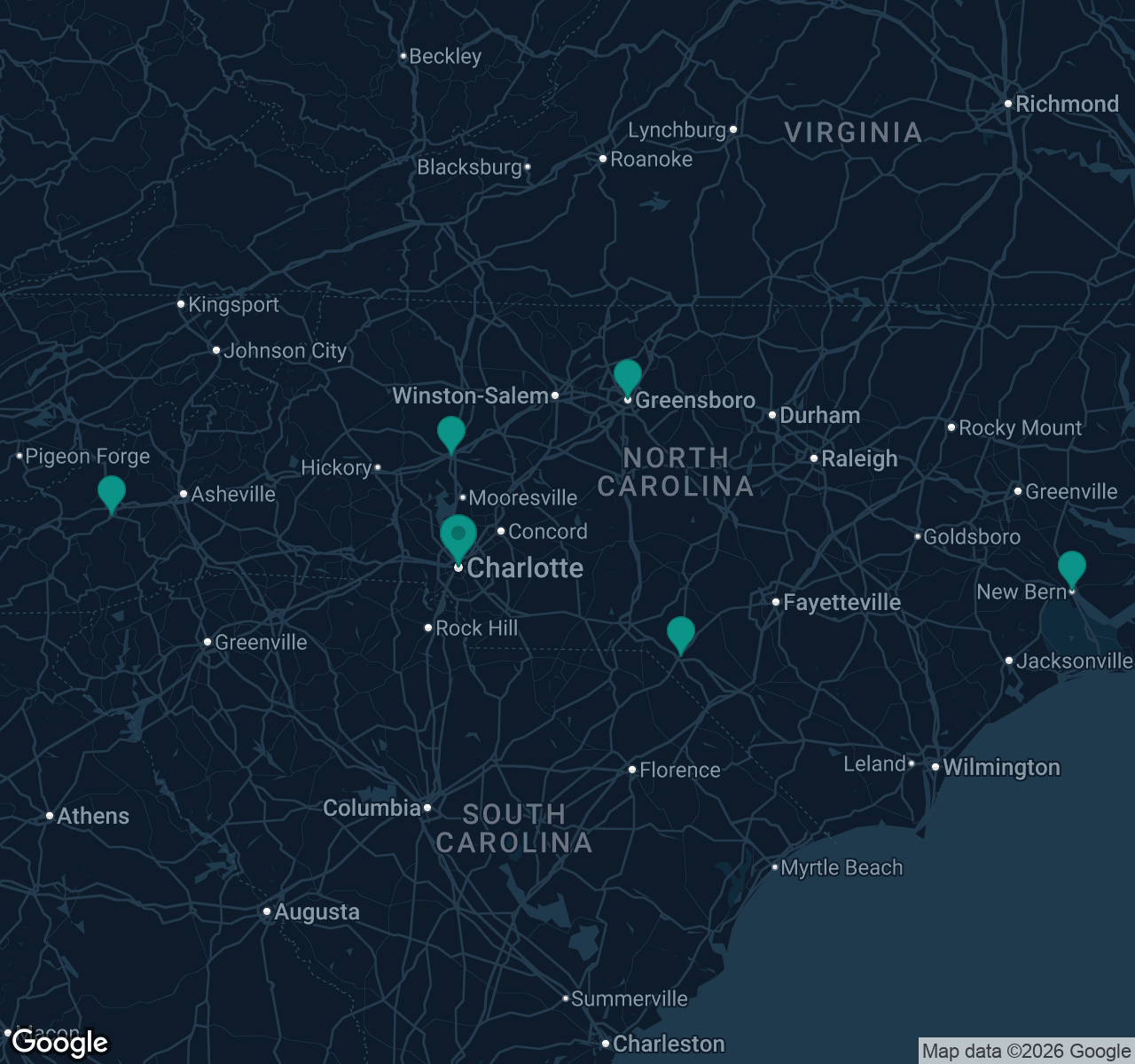
Select a city to view specific exposure sites, companies, and facilities with known asbestos exposure history.
North Carolina has 3 cancer centers specializing in mesothelioma treatment. For a complete list of documented asbestos exposure sites in North Carolina, see our exposure database.
Types of Compensation in North Carolina
Mesothelioma patients in North Carolina may be eligible for multiple forms of compensation. An experienced attorney can help pursue all available options.
Lawsuits and Settlements
Personal injury or wrongful death lawsuits can be filed against companies responsible for asbestos exposure. Most cases settle before trial, with average mesothelioma settlements ranging from $1 million to $2.4 million. Total compensation can be significantly higher when combining multiple sources. North Carolina courts generally allow expedited scheduling for mesothelioma cases.
Asbestos Trust Funds
Over 60 bankruptcy trusts hold more than $30 billion for asbestos victims. These claims are separate from lawsuits and can be filed regardless of whether a company is still operating. Trust fund claims have their own deadlines and requirements.
Learn about trust fund claims →Choosing a North Carolina Mesothelioma Lawyer
When selecting legal representation for a mesothelioma case in North Carolina, consider these factors. Our guide to choosing a mesothelioma law firm covers this in detail:
- Experience with asbestos cases: Look for attorneys who focus on mesothelioma and asbestos litigation
- Track record: Ask about past settlements and verdicts in similar cases
- Resources: Firms need databases of products, companies, and expert witnesses
- Knowledge of North Carolina courts: Familiarity with local procedures and judges matters
- Communication: You should feel comfortable asking questions and receiving updates
Most mesothelioma attorneys work on contingency, meaning you pay nothing unless they recover compensation for you. Learn more about mesothelioma lawyer costs and how contingency fees work.
This information is for educational purposes only and should not be considered legal advice. Every case is different. Consult with a qualified attorney to understand your specific legal options.