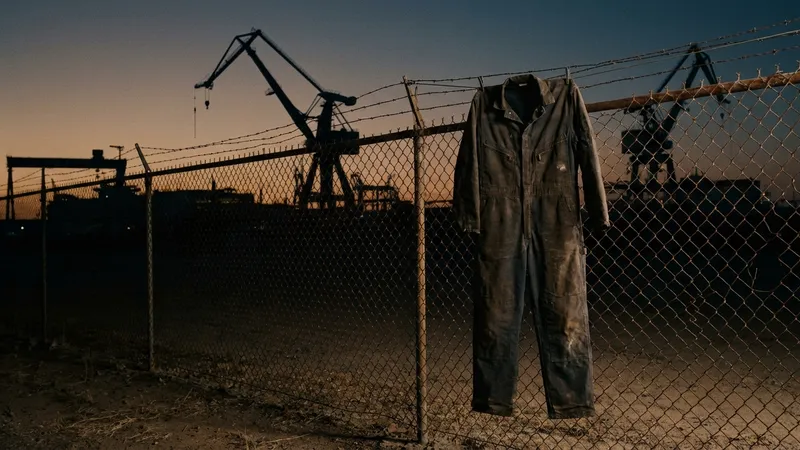
A Virginia Supreme Court ruling has established that employers can be held legally responsible when workers’ family members develop mesothelioma from asbestos fibers brought home on contaminated clothing. The decision in Quisenberry v. Huntington Ingalls Inc. sets a precedent that may increase employer liability for secondary asbestos exposure.
The Case
Wesley Quisenberry sued Huntington Ingalls Inc. (formerly Newport News Shipbuilding) after his mother, Wanda Quisenberry, died from pleural mesothelioma. Her only known asbestos exposure came from washing her father’s work clothes.
Timeline of exposure:
- 1942: Father begins work at Newport News Shipbuilding
- 1954: Wanda, then a child, begins helping wash his contaminated clothes
- 2013: Mesothelioma diagnosis, 70+ years after initial exposure
- 2016: Wanda Quisenberry dies
The shipyard argued it owed no duty to people who never set foot on its property. The Virginia Supreme Court disagreed.
The Court’s Reasoning
In a 4-3 decision, the court held that employers who knew or should have known about asbestos hazards had a duty to prevent harm to foreseeable victims, including family members who would handle contaminated clothing.
Key excerpts from the ruling:
“The artificial hazard created by the Shipyard, asbestos dust, was allegedly released through the Shipyard’s course of conduct and moved to place Wanda in danger.”
“That harm in the present case occurred at a location removed from the employer’s business and after hours is a distinction without a difference.”
The court rejected the shipyard’s argument that location and timing should limit liability.
Virginia joins California, Louisiana, Delaware, and Washington in recognizing employer “take-home liability” for secondary asbestos exposure. Courts in other states have reached different conclusions, making jurisdiction critical in these cases.
Implications for Secondary Exposure Cases
The ruling has significant implications for people with mesothelioma who were never occupationally exposed:
For family members:
- Spouses who washed work clothes
- Children who hugged parents after work
- Anyone who lived with asbestos workers
Legal landscape:
- Employer claims are now viable in Virginia
- No statute addresses take-home duty; this is case law precedent
- Additional employer lawsuits expected to be filed
Secondary Exposure and Mesothelioma
Secondary (or “take-home”) asbestos exposure is a recognized cause of mesothelioma, particularly among women and children who never worked directly with asbestos.
| Exposure Type | Typical Victims |
|---|---|
| Primary | Workers at jobsite |
| Secondary | Family members at home |
| Bystander | Neighbors, community members |
| Environmental | Residents near mines/plants |
Studies suggest up to 91% of mesothelioma cases in women without occupational exposure may be linked to secondary exposure, most commonly from a spouse or parent who worked with asbestos.
What This Means for Patients
If you developed mesothelioma without direct workplace exposure:
- Document family work history: Identify relatives who worked in shipyards, construction, manufacturing, or other asbestos industries
- Understand your state’s law: Take-home liability varies by jurisdiction
- Consult experienced counsel: Asbestos litigation requires familiarity with occupational history and medical causation
- Act promptly: Statutes of limitations apply to wrongful death and personal injury claims
What is secondary asbestos exposure?▼
Secondary (take-home) asbestos exposure occurs when asbestos fibers are carried home on workers’ clothing, hair, or skin and then inhaled or ingested by family members. Washing contaminated clothes was a common route of exposure, particularly for wives and children of asbestos workers.
What did the Virginia Supreme Court rule?▼
In Quisenberry v. Huntington Ingalls Inc., the court ruled 4-3 that employers owe a duty of care to workers’ family members when the employer knew or should have known that asbestos fibers would be carried home and harm others. The ruling allows wrongful death claims against employers for secondary exposure.
Which states recognize take-home liability?▼
Virginia, California, Louisiana, Delaware, and Washington recognize employer take-home liability for secondary asbestos exposure. Other states have not definitively ruled or have rejected such claims. Jurisdiction is critical in these cases.
Can I sue if a family member's job caused my mesothelioma?▼
Potentially. In states recognizing take-home liability, you may have claims against the employer. You may also have claims against asbestos product manufacturers regardless of state. An attorney experienced in asbestos litigation can evaluate your specific circumstances.