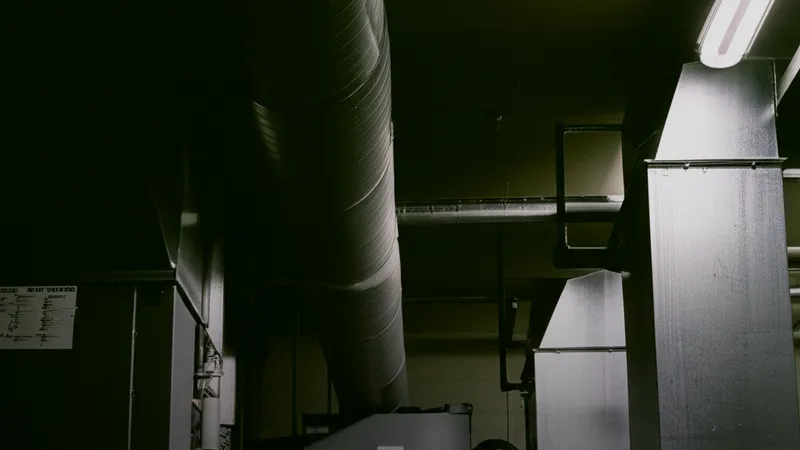
Heating, ventilation, and air conditioning technicians have documented mesothelioma rates 1.5 to 2.5 times higher than the general population, according to occupational mortality studies. The HVAC trade exposes workers to asbestos in duct insulation, boiler components, and mechanical systems throughout older buildings.
OSHA estimates that approximately 1.3 million workers in construction and building maintenance face potential asbestos exposure, with HVAC technicians among the most frequently exposed trades. An estimated 78% of commercial buildings constructed before 1980 contain asbestos in mechanical systems, including HVAC equipment.
Documented Asbestos Sources in HVAC Systems
Research has identified specific asbestos-containing materials in HVAC systems:
Duct insulation and lining: Studies have found asbestos concentrations of 10-50% in duct insulation materials manufactured before 1980. Airborne fiber measurements during duct repair have recorded concentrations 5-20 times above OSHA’s permissible exposure limit (PEL) of 0.1 fibers/cc.
Boiler insulation: Industrial hygiene surveys have documented asbestos content of 15-50% in boiler insulation. The National Institute for Occupational Safety and Health (NIOSH) found that boiler maintenance activities generated fiber concentrations up to 2.4 fibers/cc, 24 times the PEL.
Gaskets and seals: High-temperature gaskets in boilers and furnaces commonly contained 80% or more asbestos by weight. A 1986 EPA study found that gasket replacement generated measurable airborne fibers even with careful handling.
Pipe insulation: The EPA estimates more than 300,000 miles of asbestos-insulated pipe were installed in U.S. buildings. Pipe wrap typically contained 15-50% chrysotile asbestos.
Cement products: Asbestos cement used in duct construction contained 10-20% asbestos. A 2019 study in the Journal of Occupational and Environmental Hygiene found that cutting or drilling cement products released fiber concentrations 10-100 times background levels.
Exposure Studies in HVAC Work
A 1988 NIOSH study measured asbestos exposure during common HVAC tasks:
| Task | Fiber Concentration (f/cc) | Multiple of PEL |
|---|---|---|
| Boiler maintenance | 0.3-2.4 | 3-24x |
| Duct repair (with cutting) | 0.5-1.8 | 5-18x |
| Removing pipe insulation | 1.2-5.6 | 12-56x |
| Routine inspection only | 0.01-0.08 | Below PEL |
The study concluded that unprotected HVAC work on asbestos-containing materials resulted in significant occupational exposure in nearly all scenarios except non-disturbing inspections.
A 2012 retrospective study published in the American Journal of Industrial Medicine analyzed mesothelioma cases among building trades workers and found:
- HVAC workers had a standardized mortality ratio (SMR) of 2.1 for mesothelioma
- Risk increased with years in the trade, with 3.4 SMR for workers with 20+ years experience
- Residential service technicians had lower exposure than commercial/industrial technicians
Buildings and Time Periods of Highest Risk
EPA and OSHA data indicate the following risk patterns:
Commercial buildings (pre-1980): An estimated 78% contain asbestos in one or more HVAC components. Industrial hygiene surveys of pre-1980 office buildings found asbestos-containing materials in mechanical rooms in 85% of facilities tested.
Schools (pre-1980): The EPA Asbestos Hazard Emergency Response Act (AHERA) program has documented asbestos in approximately 45,000 schools nationwide. HVAC systems represent a primary exposure source in educational facilities.
Residential structures: The Consumer Product Safety Commission estimated that approximately 35 million U.S. homes contain vermiculite insulation, with 70% contaminated with Libby asbestos. Older furnaces and heating systems present additional exposure risks.
Industrial facilities: Power plants, refineries, and manufacturing facilities used asbestos extensively. Studies of industrial HVAC workers document the highest exposure levels, with some measurements exceeding 10 fibers/cc.
Mesothelioma Risk Data
Analysis of mesothelioma incidence data shows elevated risk among HVAC workers:
- A 2017 study in Occupational and Environmental Medicine examined 43,000 mesothelioma cases and found HVAC installers ranked among the top 15 occupations for mesothelioma mortality
- The latency period for HVAC-related mesothelioma averages 35-40 years from first exposure
- Risk increases approximately 4% per year of cumulative exposure
- No safe threshold has been established; even brief exposures can contribute to lifetime risk
Current Regulatory Standards
OSHA’s asbestos standards (29 CFR 1926.1101 for construction, 29 CFR 1910.1001 for general industry) apply to HVAC work:
Permissible Exposure Limit: 0.1 fibers/cc (8-hour time-weighted average)
Excursion Limit: 1.0 fibers/cc (30-minute short-term exposure)
Required protections when exposure may exceed PEL:
- Respiratory protection (minimum half-face respirator with P100 filters)
- Protective clothing
- Decontamination procedures
- Medical surveillance
- Training specific to work classification
OSHA classifies HVAC work involving asbestos under Class II or Class III activities, requiring competent person supervision and specific work practices.
Protection for Current Workers
Research-backed protective measures for HVAC technicians:
Pre-work assessment: OSHA requires building owners to identify known asbestos before renovation or maintenance work begins. Request asbestos survey documentation for buildings constructed before 1980.
Respiratory protection: Studies show P100 respirators reduce fiber inhalation by 99.97% when properly fitted. NIOSH recommends respiratory protection whenever disturbing materials with presumed or confirmed asbestos content.
Wet methods: Research demonstrates that wetting materials before disturbance reduces airborne fiber release by 80-90%. Use amended water (with surfactant) for best results.
HEPA vacuuming: High-efficiency particulate air filtration captures fibers 0.3 microns and larger with 99.97% efficiency. Standard shop vacuums exhaust fibers back into the air.
Decontamination: Studies of take-home exposure show that work clothing can carry measurable asbestos contamination. Changing clothes and showering before leaving work sites reduces secondary exposure to family members.
Any building constructed before 1980 should be presumed to contain asbestos until testing proves otherwise. Request asbestos survey documentation before working on HVAC systems in older buildings. Never disturb suspected materials without proper assessment and protection.
Documenting Exposure History
HVAC workers should maintain records of:
- Employers and dates of employment
- Types of facilities serviced (commercial, industrial, residential)
- Building ages and construction dates when known
- Specific equipment worked on (boilers, duct systems, air handlers)
- Presence of visible insulation or suspected asbestos materials
- Personal protective equipment provided (or not provided)
This documentation becomes important for workers’ compensation claims, VA benefits (for veterans), and potential legal claims against asbestos product manufacturers.
Legal and Compensation Options
HVAC workers diagnosed with mesothelioma may pursue compensation through:
Product liability: Manufacturers of asbestos-containing HVAC components may be liable for failure to warn. Major manufacturers include Johns Manville, Owens Corning, and various gasket and insulation producers.
Asbestos trust funds: Over $30 billion is available in trust funds established by bankrupt asbestos companies. Multiple trusts may pay claims for a single diagnosis.
Workers’ compensation: Occupational disease coverage varies by state. Some states have special provisions for asbestos-related illness that extend filing deadlines and presume occupational causation.
VA benefits: Veterans who worked in HVAC during military service may qualify for disability compensation if mesothelioma is service-connected.
Related Articles
- High-Risk Occupations for Asbestos
- Plumbers and Pipefitters
- Construction Workers
- Electricians and Asbestos
- Mesothelioma Latency Period
Why are HVAC workers at elevated mesothelioma risk?▼
HVAC technicians work with asbestos-containing materials in duct insulation (10-50% asbestos), boiler insulation (15-50%), high-temperature gaskets (80%+), and pipe wrap (15-50%). Studies show HVAC work on these materials generates fiber concentrations 3-56 times above OSHA’s permissible exposure limit.
Which buildings pose the highest risk?▼
Pre-1980 commercial buildings pose the highest risk: 78% contain asbestos in HVAC components. Industrial facilities (power plants, refineries) have the highest exposure levels, with some measurements exceeding 10 fibers/cc. Schools and residential buildings also present significant risks.
What protection should HVAC workers use?▼
When working with suspected asbestos: use P100 respirators (99.97% fiber reduction), wet materials before disturbance (80-90% fiber reduction), use HEPA vacuums (not standard shop vacs), and decontaminate before leaving. Work clothes carry measurable asbestos home. Request asbestos surveys for pre-1980 buildings.
What compensation options exist for diagnosed HVAC workers?▼
Options include product liability claims against asbestos manufacturers (Johns Manville, Owens Corning, gasket producers), asbestos trust funds ($30+ billion available), workers’ compensation for occupational disease, and VA benefits for veterans. Document your employment and building exposure history thoroughly.