Plumbers and Asbestos Exposure Risks
Plumbers faced asbestos exposure from pipe insulation, joint compound, and work in buildings with asbestos materials. Learn about exposure sources.

Overview
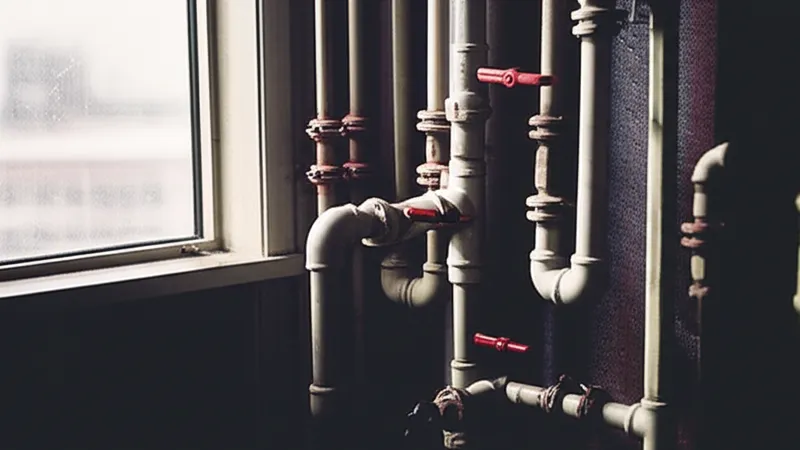
Plumbers, skilled tradespeople who install, maintain, and repair water supply and drainage systems, faced significant asbestos exposure throughout the 20th century. Working with insulated pipes, asbestos-containing joint compounds, and in buildings filled with asbestos materials put plumbers at elevated risk for mesothelioma.
Asbestos Products Used by Plumbers
| Product | Application | Exposure Level |
|---|---|---|
| Pipe insulation | Hot water pipes | High |
| Joint compound (oakum) | Cast iron pipe joints | High |
| Pipe dope/thread compound | Threaded connections | Moderate |
| Gaskets | Water heaters, boilers | Moderate |
| Packing materials | Valve stems | Moderate |
| Cement pipe | Sewer lines | Low-Moderate |
How Plumbers Were Exposed
Pipe Work
Plumbers frequently encountered asbestos when working on hot water and heating systems:
- Cutting through insulated pipes
- Removing old insulation to access pipes
- Working near deteriorating pipe insulation
- Installing pipes that would later be insulated by others
Residential Work
Even residential plumbers faced exposure:
- Replacing water heaters with asbestos-insulated jackets
- Working near asbestos-wrapped heating pipes
- Accessing pipes through walls containing asbestos
Asbestos-containing oakum and joint compounds were widely used to seal cast iron drain pipe joints. Plumbers handled these materials directly, creating fiber release during application.
Work Environments
Plumbers worked across many settings where asbestos was specified for hot-water and steam lines. Residential buildings used it on hot-water risers and older construction; commercial buildings had larger mechanical-room runs; power plants carried miles of insulated pipe; shipyards built asbestos into ship plumbing from keel to bridge; and industrial facilities wrapped process-water and drainage lines in Kaylo pipe covering. Plumbers working in New York, New Jersey, Pennsylvania, and California hit the heaviest exposures between 1940 and 1980.
Related Occupations
Plumbers often worked alongside:
- Pipefitters, Industrial piping
- Steamfitters, Steam systems
- Insulators, Pipe insulation
- Electricians, Building systems
- HVAC workers, Mechanical systems
Health Risks
Plumbers with asbestos exposure face elevated risk of mesothelioma, a cancer of the chest or abdominal lining; asbestosis, a progressive scarring of the lungs; lung cancer, with risk multiplied among smokers; and pleural disease that thickens the lining around the lungs.
Plumbers today still face asbestos exposure when working in older buildings. Any building constructed before 1980 may contain asbestos pipe insulation and other materials.
Legal Options
Plumbers diagnosed with mesothelioma typically pursue several tracks in parallel. Manufacturers of plumbing products containing asbestos, including the Johns Manville Trust for pipe insulation and gasket and compound manufacturers, established asbestos trust funds through bankruptcy reorganization. Trust claims often run alongside product-liability suits against solvent manufacturers, premises-liability claims against building owners, VA benefits for military service exposure, and workers’ compensation through a former employer. A trial lawyer can help identify compensation sources based on specific work history and product exposure.