Steamfitters and Asbestos: High‑Risk Trade
Steamfitters faced extreme asbestos exposure from steam pipe insulation, gaskets, and valve packing. Learn about exposure sources and legal options.

Overview
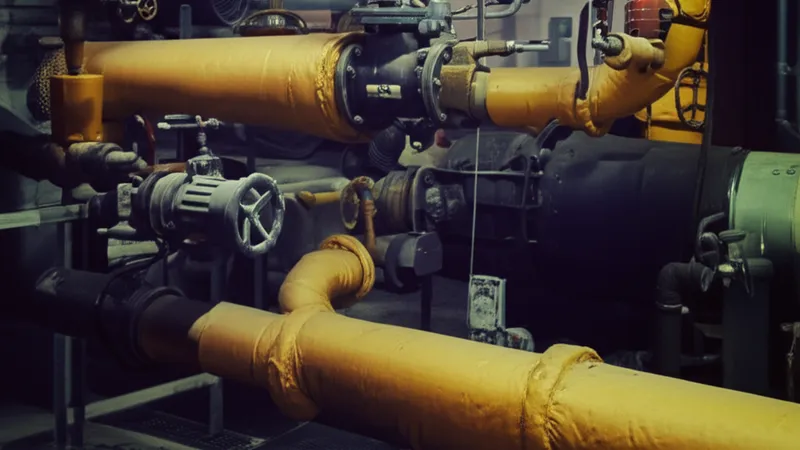
Steamfitters, specialists who install and maintain high-pressure steam heating systems, faced among the highest asbestos exposure levels in the construction trades. Steam systems require extensive insulation to contain heat and prevent burns, and asbestos was the insulation material of choice for decades.
Steamfitters, along with insulators and pipefitters, consistently rank among the occupations with the highest mesothelioma rates due to constant exposure to asbestos-containing pipe insulation.
Asbestos in Steam Systems
| Component | Asbestos Content | Exposure Level |
|---|---|---|
| Pipe insulation | 15-50% | Extreme |
| Valve packing | 80-100% | Very High |
| Steam trap insulation | 15-35% | Very High |
| Flange gaskets | 60-90% | High |
| Expansion joints | 15-40% | High |
| Pump packing | 80-100% | High |
How Steamfitters Were Exposed
Pipe Repair Work
Steamfitters routinely accessed insulated pipes for repairs:
- Cutting through pipe insulation to reach connections
- Stripping insulation from valve bodies
- Working in clouds of asbestos dust from deteriorating insulation
- Repairing pipes in confined mechanical spaces
New Installation
During new construction, steamfitters:
- Installed piping that would be insulated with asbestos
- Worked in areas where spray insulation was being applied
- Handled pre-insulated fittings and components
Industries with Steam Systems
Steamfitters worked wherever high-pressure steam moved through piping. Between 1940 and 1980, that meant power plants across Pennsylvania, Ohio, and New York running steam-generation systems; oil refineries along the Texas and Louisiana Gulf Coast using process heating; large commercial buildings with steam heating; shipyards building marine propulsion plants; and industrial facilities using steam in manufacturing. Nearly all of this piping carried Johns Manville or Owens Corning insulation.
Related Occupations
Steamfitters worked closely with:
- Pipefitters, General piping
- Insulators, Insulation application
- Boilermakers, Steam generation
- Plumbers, Building systems
- Operating engineers, System operation
Health Consequences
Steamfitters face elevated risk of mesothelioma, a cancer of the chest or abdominal lining; asbestosis, with severe lung scarring from prolonged exposure; lung cancer multiplied by inhaled fibers; and pleural disease that thickens the lining around the lungs.
Mesothelioma typically develops 20 to 50 years after exposure. Steamfitters who worked in the 1960s through 1980s are in the peak period for diagnosis.
Legal Options
Steamfitters diagnosed with mesothelioma typically pursue several tracks in parallel. Insulation and gasket manufacturers established asbestos trust funds through bankruptcy reorganization, including the Johns Manville, Garlock Sealing Technologies, and John Crane trusts. Trust claims often run alongside product-liability suits against solvent manufacturers, premises-liability claims against facility owners, VA benefits for military service exposure, and workers’ compensation through a former employer. A trial lawyer can help identify compensation sources based on specific work history and product exposure.