Boilermakers and Asbestos: High-Risk Trade
Boilermakers faced extreme asbestos exposure from boiler insulation, gaskets, and refractory materials. Learn about exposure sources and legal options.

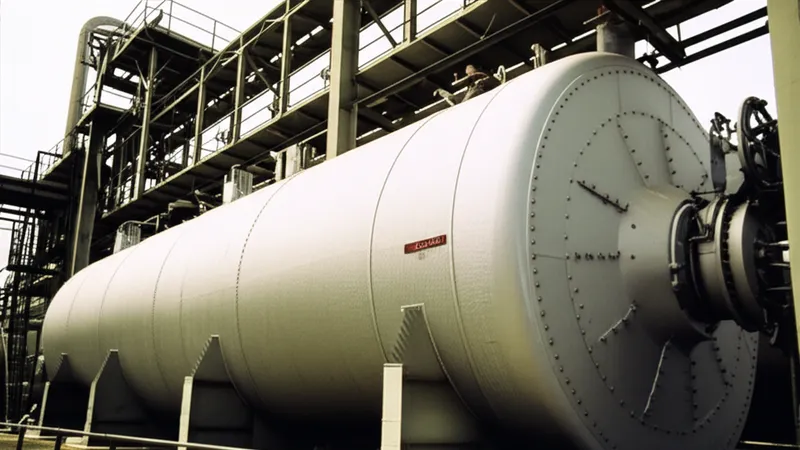
Overview
Boilermakers, skilled workers who build, install, and repair boilers, tanks, and large vessels, faced some of the most intense asbestos exposure of any trade. Working inside boilers surrounded by asbestos insulation, and in confined spaces aboard ships and in power plants, boilermakers inhaled dangerous concentrations of asbestos fibers.
Boilermakers often worked inside boilers and pressure vessels during construction and repair. These enclosed spaces trapped asbestos fibers, creating extremely high concentrations that workers breathed for hours or days at a time.
Asbestos in Boiler Systems
| Component | Asbestos Content | Exposure Level |
|---|---|---|
| Boiler insulation | 15-50% | Extreme |
| Refractory cement | 10-40% | Extreme |
| Door gaskets | 60-90% | Very High |
| Tube sheet packing | 80-100% | Very High |
| Baffles and shields | 15-35% | High |
| External lagging | 15-50% | High |
How Boilermakers Were Exposed
Interior Boiler Work
The most hazardous work occurred inside boilers:
- Inspecting and repairing tube sheets
- Replacing refractory brick and cement
- Welding patches and repairs
- Cleaning accumulated scale and debris
Workers entered through small manholes and worked surrounded by asbestos-containing materials.
Shipboard Boiler Work
Boilermakers working in shipyards and aboard naval vessels faced particularly intense exposure. Ship boiler rooms were cramped, poorly ventilated, and packed with asbestos-insulated equipment.
Industries Employing Boilermakers
Boilermakers built and serviced steam-generating boilers in power plants, marine boilers in shipyards at Newport News and Mare Island, process heaters and boilers in oil refineries along the Texas and Louisiana Gulf Coast, blast-furnace systems in steel mills across Pennsylvania and Indiana, and process vessels inside chemical plants. Between 1940 and 1980, nearly every one of these vessels was insulated with Johns Manville or Owens Corning product.
Related Occupations
These trades worked closely with boilermakers:
- Insulators, Applied boiler insulation
- Pipefitters, Connected boiler piping
- Steamfitters, Steam distribution systems
- Welders, Boiler fabrication and repair
- Ironworkers, Structural boiler supports
Navy Boilermakers
Naval boilermakers, known as “Boiler Technicians” or “BTs,” faced extreme exposure aboard ships:
Navy boiler technicians who served before the 1980s were exposed to asbestos throughout their service. Veterans may qualify for VA disability benefits in addition to other compensation.
Health Consequences
Boilermakers face elevated risk of mesothelioma, a cancer of the chest or abdominal lining; asbestosis, with severe lung scarring from prolonged high exposure; lung cancer multiplied by inhaled fibers; and pleural thickening that reduces lung capacity.
Legal Options
Boilermakers diagnosed with mesothelioma typically pursue several tracks in parallel. Major boiler and insulation manufacturers established asbestos trust funds through bankruptcy reorganization, including the Johns Manville, Babcock & Wilcox, Combustion Engineering, and Foster Wheeler trusts. Trust claims often run alongside product-liability suits against solvent manufacturers, premises-liability claims against plant owners, VA benefits for veterans, and workers’ compensation through a former employer. A trial lawyer can help identify compensation sources based on specific work history and product exposure.