Steel Workers and Asbestos Exposure
Steel mill workers faced extreme asbestos exposure from furnaces, ladles, and protective equipment. Learn about exposure sources and compensation options.

Overview
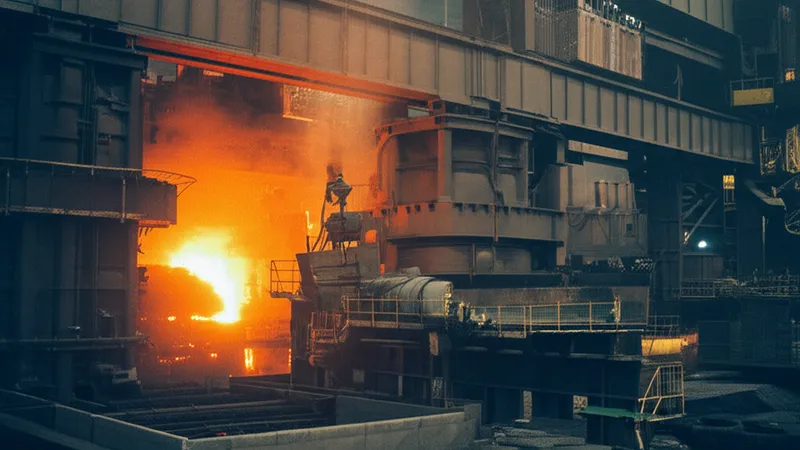
Steel manufacturing required extreme heat management, making asbestos essential throughout the industry. Blast furnaces, open hearth furnaces, basic oxygen furnaces, and continuous casting operations all used extensive asbestos insulation and protective materials.
Steel production involves molten metal at temperatures exceeding 3,000°F. Asbestos was considered essential for worker protection and equipment insulation in these extreme conditions.
Asbestos in Steel Mills
| Mill Area | Asbestos Materials | Exposure Risk |
|---|---|---|
| Blast furnaces | Refractory linings, insulation, gaskets | Extreme |
| Open hearth furnaces | Roof insulation, door seals, linings | Extreme |
| Ladles | Linings, covers, pouring sleeves | Very High |
| Hot metal cars | Insulation, covers | Very High |
| Coke ovens | Door seals, insulation | High |
| Rolling mills | Motor insulation, steam pipes | Moderate |
Protective Equipment
Steel workers also encountered asbestos in personal protective equipment:
High-Risk Steel Mill Jobs
Furnace operators worked directly alongside asbestos-insulated equipment. Ladle liners and bricklayers installed and repaired asbestos-containing refractory at temperatures of 2,500 to 3,000 degrees Fahrenheit. Maintenance workers disturbed insulation during every turnaround and repair cycle. Crane operators in Pittsburgh, Gary, and Youngstown mills spent full shifts in cabs suspended above aging insulation. General laborers handled the asbestos-containing debris during cleanup.
Major Steel Companies
Workers at US Steel (Gary Works, Edgar Thomson in Pennsylvania, Fairfield Works in Alabama), Bethlehem Steel, Republic Steel, LTV Steel, National Steel, and Armco Steel have filed asbestos claims in large numbers. Supplier manufacturers of refractories, gaskets, and insulation (including Johns-Manville, Owens Corning, Garlock, and Eagle-Picher) are named as co-defendants or covered through existing 524(g) bankruptcy trusts.
US steel employment peaked in the 1950s and declined sharply after 1980. Former steelworkers exposed in the 1960s and 1970s fall within the 20-to-50-year mesothelioma latency window, which is why case counts in steel-belt states are still rising.
Legal Options
Steel mill workers diagnosed with mesothelioma may pursue compensation through asbestos trust funds (more than $30 billion is set aside across existing trusts, including the Johns-Manville and Owens Corning trusts that cover steel-mill product lines), personal injury lawsuits against solvent asbestos product manufacturers, workers’ compensation through employer coverage, and Social Security disability for qualifying conditions.