Glaziers and Asbestos: Window Risks
Glaziers faced asbestos exposure from window putty, caulking compounds, and fireproof glass assemblies. Learn about exposure sources.

Overview
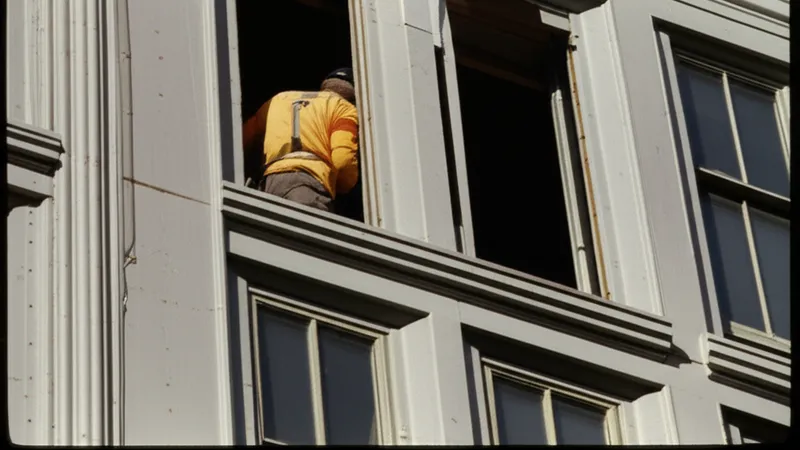
Glaziers, workers who install glass in windows, doors, and building facades, faced asbestos exposure from window putty, caulking compounds, and fireproof glazing assemblies. While exposure levels were generally lower than for other construction trades, glaziers who worked extensively with older buildings or specialized fire-rated installations faced elevated risk.
Asbestos in Glazing Materials
| Product | Asbestos Content | Exposure Level |
|---|---|---|
| Glazing putty | 2-5% | Moderate |
| Caulking compound | 5-15% | Moderate |
| Fire-rated assemblies | Variable | Moderate |
| Metal frame insulation | Variable | Low-Moderate |
How Glaziers Were Exposed
New Installation
Installing new glazing with asbestos materials:
- Applying glazing putty around glass
- Using caulking compounds for sealing
- Installing fire-rated window assemblies
- Working with metal frames that had asbestos insulation
Replacement Work
Replacing old glazing created higher exposure:
- Scraping old asbestos-containing putty
- Removing hardened caulking compounds
- Disturbing fire-rated assemblies
- Working in older buildings with ambient asbestos
The highest exposure for glaziers occurred when removing old windows. Scraping and chiseling hardened asbestos putty released fibers directly into the worker’s breathing zone.
Work Environments
Glaziers installed and replaced windows across residential homes, commercial office buildings and storefronts, high-rise curtain-wall systems, industrial factory windows, and renovation jobs. Between 1940 and 1980, glaziers removing putty in aging schools and office buildings across New York, New Jersey, and Illinois faced the heaviest exposures, since the old putty contained asbestos fiber as a binder.
Related Occupations
Glaziers worked alongside:
- Carpenters, Building construction
- Painters, Exterior finishing
- Sheet metal workers, Curtain walls
- Laborers, Material handling
Related Industries
Health Consequences
Glaziers with asbestos exposure face elevated risk of mesothelioma, a cancer of the chest or abdominal lining; asbestosis, a progressive scarring of the lungs; lung cancer, with risk multiplied among smokers; and pleural disease that thickens the lining around the lungs.
What the Federal Record Adds
The National Cancer Institute lists paints, coatings, and adhesives among the commercial products that carried asbestos, the same product families glaziers handled as putty and caulk. OSHA reports that heavy exposures tend to occur in construction, particularly during the removal of asbestos materials in renovation, repair, and demolition, which matches the replacement-era pattern described above. The agency states that no level of asbestos exposure is safe for any fiber type, and that exposures as short as a few days have caused mesothelioma. Epidemiologic evidence increasingly shows that all asbestos fiber types, including chrysotile, the form used most widely in commercial applications, cause mesothelioma in humans. The lesson for glaziers isn’t subtle: the scraping years carried real risk, and the record now says so.
Legal Options
Glaziers diagnosed with mesothelioma typically pursue several tracks in parallel. Manufacturers of putty and caulking products including Johns Manville and Georgia-Pacific established asbestos trust funds through bankruptcy reorganization, and claims against these trusts often run alongside product-liability suits against solvent putty and caulk makers, premises-liability claims against building owners, and workers’ compensation through a former employer.
References
National Cancer Institute. Asbestos Exposure and Cancer Risk.
https://www.cancer.gov/about-cancer/causes-prevention/risk/substances/asbestos/asbestos-fact-sheet
Occupational Safety and Health Administration. Asbestos: Overview, Health Effects, and Standards.
https://www.osha.gov/asbestos