Building Inspectors and Asbestos Risks
Building inspectors faced asbestos exposure while inspecting older buildings with asbestos materials. Learn about exposure sources and legal options.

Overview
Building inspectors, code enforcement officials who inspect buildings for compliance with regulations, faced asbestos exposure while examining older buildings with asbestos-containing materials. Accessing mechanical spaces, crawling through attics, and disturbing building materials during inspections created exposure to asbestos fibers.
Building inspectors today continue to face asbestos exposure when inspecting pre-1980 buildings. Awareness and protective measures are essential.
How Building Inspectors Were Exposed
Types of Inspections
Mechanical inspections:
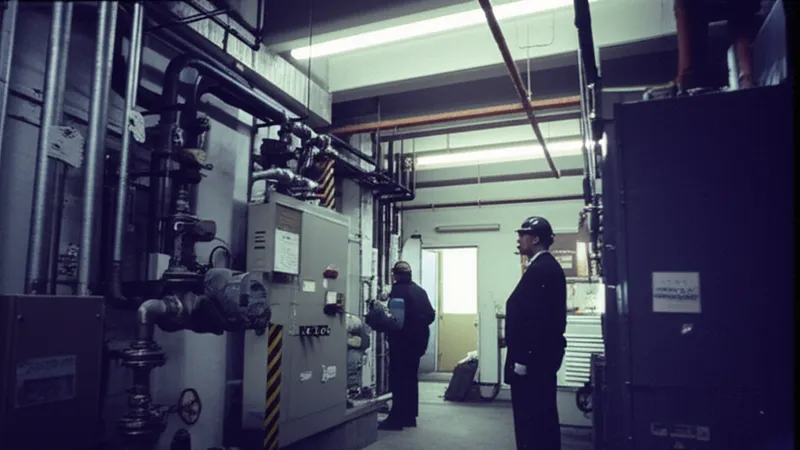
- Examining boiler rooms with asbestos pipe insulation
- Inspecting HVAC systems with asbestos ductwork
- Checking electrical systems with asbestos components
Structural inspections:
- Accessing attics with asbestos insulation
- Examining crawl spaces with asbestos materials
- Inspecting walls and ceilings for damage
Renovation/demolition inspections:
- Reviewing asbestos surveys
- Monitoring abatement work
- Inspecting demolition sites
Even brief inspections can disturb asbestos materials. Moving insulation, touching ceiling tiles, or accessing confined spaces releases fibers.
Buildings with Asbestos
Building inspectors encountered asbestos across residential homes built before 1980, commercial office buildings and retail, institutional schools, hospitals and government buildings, and industrial factories and warehouses. Inspectors working aging school stock in New York, New Jersey, and Pennsylvania in the 1980s and 1990s regularly entered mechanical rooms wrapped with Johns Manville and Owens Corning insulation.
Common Asbestos Locations
- Mechanical rooms (pipe and boiler insulation)
- Attics (loose-fill insulation)
- Ceilings (tiles and spray-on fireproofing)
- Floors (vinyl asbestos tiles)
- Walls (textured coatings, drywall compound)
Related Occupations
Building inspectors work alongside:
- Maintenance workers, Building systems
- Electricians, Electrical inspections
- Plumbers, Plumbing inspections
- Demolition workers, Demolition oversight
Health Consequences
Building inspectors face elevated risk of mesothelioma, a cancer of the chest or abdominal lining; asbestosis, a progressive scarring of the lungs; lung cancer, with risk multiplied among smokers; and pleural disease that thickens the lining around the lungs.
Legal Options
Building inspectors diagnosed with mesothelioma typically pursue several tracks in parallel. Building-material manufacturers including Johns Manville, W.R. Grace, and Owens Corning established asbestos trust funds through bankruptcy reorganization. Trust claims often run alongside product-liability suits against solvent manufacturers, employer-liability claims against agencies that failed to provide protection, premises-liability claims against building owners, and workers’ compensation through a former employer.