Welders and Asbestos Exposure Risks
Welders faced asbestos exposure from welding blankets, electrode coatings, and work near asbestos insulation. Learn about exposure sources and legal options.

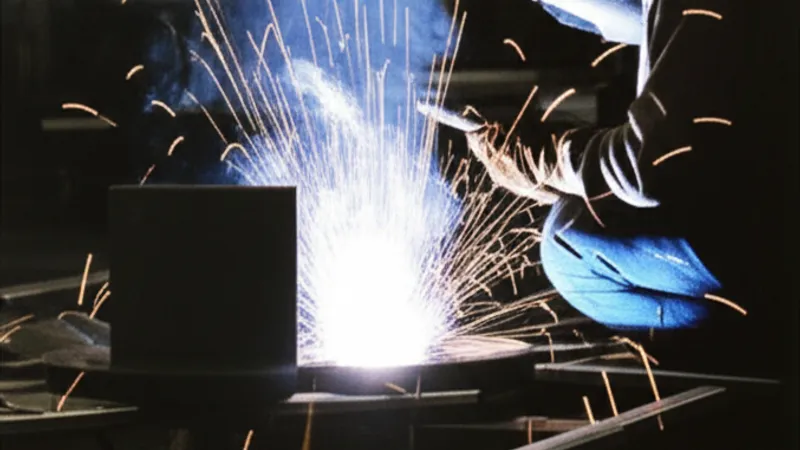
Overview
Welders faced asbestos exposure through welding products containing asbestos and from working in environments where asbestos was pervasive. Working in shipyards, power plants, and industrial facilities, welders regularly encountered asbestos insulation and protective materials.
Asbestos in Welding Products
| Product | Application | Exposure Level |
|---|---|---|
| Welding blankets | Fire protection | High |
| Electrode coatings | Flux stabilization | Moderate |
| Heat shields | Worker protection | Moderate |
| Protective gloves | Hand protection | Moderate |
| Welding curtains | Spark containment | Low-Moderate |
How Welders Were Exposed
Direct Product Exposure
Welders used asbestos products daily:
- Positioning asbestos blankets to contain sparks
- Wearing asbestos gloves for hand protection
- Working behind asbestos welding curtains
- Handling electrodes with asbestos-containing coatings
Environmental Exposure
Welding work often required disturbing asbestos materials:
- Cutting through insulated pipes and equipment
- Welding structural steel near spray-on insulation
- Repairing vessels and tanks with asbestos linings
- Working in shipboard engine rooms and boiler spaces
Welders frequently had to burn or cut through asbestos insulation to access areas for repair. This released extremely high concentrations of asbestos fibers in the immediate breathing zone.
Industries Employing Welders
Welders worked in virtually every industry where asbestos was present. The heaviest exposures between 1940 and 1980 came from shipyard construction and repair at facilities like Newport News in Virginia and Mare Island in California; boiler and piping work at power plants; process-equipment welding at oil refineries along the Texas and Louisiana Gulf Coast; structural work at steel mills in Pennsylvania and Indiana; structural-steel erection in commercial construction; and manufacturing and repair in automotive plants.
Related Occupations
Welders worked alongside:
- Pipefitters, Pipe welding
- Boilermakers, Boiler construction
- Ironworkers, Structural steel
- Sheet metal workers, Metal fabrication
- Shipyard workers, Ship construction
Military Welders
Military welders, particularly in the Navy and at naval shipyards, faced intensive exposure:
Naval welders worked in confined shipboard spaces filled with asbestos. Veterans may qualify for VA disability benefits in addition to other compensation options.
Health Consequences
Welders face elevated risk of mesothelioma, a cancer of the chest or abdominal lining; asbestosis, a progressive scarring of the lungs; lung cancer, with risk multiplied by combined welding-fume and fiber exposure; and pleural disease that thickens the lining around the lungs.
Legal Options
Welders diagnosed with mesothelioma typically pursue several tracks in parallel. Manufacturers of welding products containing asbestos, including Johns Manville and Owens Corning, established asbestos trust funds through bankruptcy reorganization. Trust claims often run alongside product-liability suits against solvent manufacturers, premises-liability claims against facility owners, VA benefits for military service exposure, and workers’ compensation through a former employer. A trial lawyer can help identify compensation sources based on specific work history and product exposure.