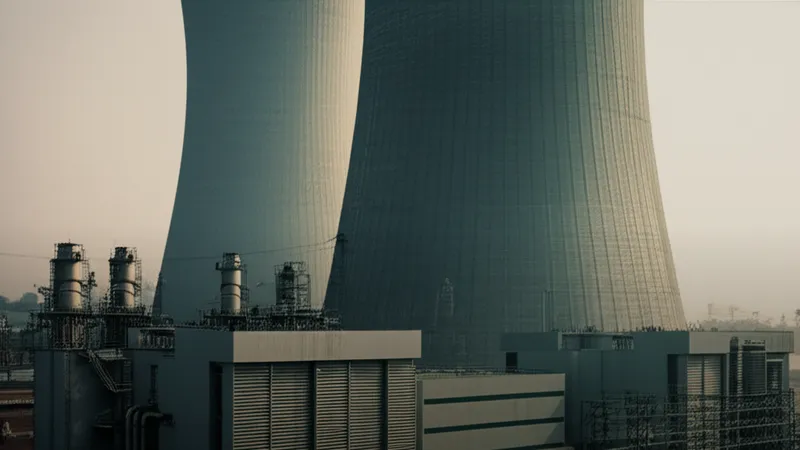
Power plants rank among the most asbestos-intensive industrial facilities ever built. Coal-fired, nuclear, and oil-fueled generating stations used massive quantities of asbestos to insulate boilers, turbines, piping, and auxiliary equipment. Epidemiological studies have documented mesothelioma rates 3-8 times higher among power plant workers compared to the general population.
The U.S. Energy Information Administration reports approximately 100,000 workers employed at power plants nationwide. Many facilities built during peak asbestos use decades continue operating, creating ongoing exposure potential for current workers performing maintenance on legacy equipment.
Why Power Plants Used So Much Asbestos
Power generation involves extreme heat, steam pressure, and combustion that required extensive thermal protection:
Steam conditions: Large power plants generate steam at temperatures exceeding 1,000°F and pressures above 2,400 psi. These conditions demanded insulation capable of withstanding thermal stress while protecting workers and equipment.
Boiler systems: A single large utility boiler contains miles of tubes surrounded by asbestos insulation. Boiler drums, headers, and structural components were insulated with asbestos blankets and blocks.
Turbine systems: Steam turbines and their associated piping operated at high temperatures requiring extensive insulation. Turbine casings, inlet pipes, and extraction lines were wrapped with asbestos materials.
Fire protection: Coal-fired plants present significant fire hazards. Asbestos fireproofing was applied to structural steel, cable trays, and protective barriers throughout facilities.
Auxiliary systems: Pumps, heat exchangers, tanks, and hundreds of valves throughout a power plant were insulated with asbestos materials.
A typical 500-megawatt coal plant built before 1980 contained an estimated 10,000-50,000 tons of asbestos-containing materials.
Research on Power Plant Worker Mesothelioma
Multiple studies have established elevated disease risk among utility workers:
Sinks et al. (1994): A study of 40,000 nuclear power plant workers found significantly elevated mesothelioma mortality among maintenance workers with documented asbestos exposure.
Checkoway et al. (1985): Research on fossil fuel power plant workers documented standardized mortality ratio of 3.8 for mesothelioma among maintenance employees.
Wong et al. (1991): Analysis of utility worker mortality found mesothelioma rates 4.2 times higher among workers in power generation versus administrative personnel.
Pira et al. (2007): Italian study of power plant workers found proportional mortality ratio of 5.6 for pleural neoplasms compared to regional population.
Reid et al. (2004): Australian power station worker study documented continued mesothelioma cases occurring 30-40 years after initial exposure.
The accumulated evidence has led NIOSH and occupational health authorities to classify power plant work as a high-risk occupation for asbestos-related disease.
High-Risk Jobs in Power Plants
Boilermakers: Power plant boilermakers who maintain and repair utility boilers face extreme exposure. Studies have documented mesothelioma SMRs of 6-10 among industrial boilermakers, with power plant workers representing a significant portion of this category.
Insulators: Workers who installed, maintained, and removed asbestos insulation throughout power plants accumulated the highest individual exposure levels. An estimated 1 in 10 asbestos insulators who worked before 1970 will develop mesothelioma.
Pipefitters: The miles of steam piping in a power plant require constant maintenance. Pipefitters who cut, repaired, and replaced insulated pipe sections handled asbestos continuously.
Electricians: Electrical workers encountered asbestos in wire insulation, switchgear, and the building materials surrounding their work areas. Working in heavily insulated spaces created secondary exposure.
Mechanics: Maintenance mechanics who worked on pumps, turbines, and auxiliary equipment encountered asbestos gaskets and packing, as well as surrounding insulation.
Operators: Plant operators who monitored equipment accumulated environmental exposure from deteriorating insulation and proximity to maintenance activities.
Laborers: General laborers who cleaned up debris, assisted skilled trades, and worked throughout the plant accumulated exposure from multiple sources.
Exposure by Power Plant Type
Coal-fired plants: Contained the most extensive asbestos due to high-temperature boiler and steam systems. Coal plants accounted for approximately 60% of U.S. generating capacity during peak asbestos years.
Nuclear plants: Despite newer construction, early nuclear facilities used asbestos extensively in non-nuclear areas. Steam systems in the turbine building contained asbestos insulation similar to fossil fuel plants.
Oil and gas plants: Used asbestos in boiler insulation and piping systems, though generally less extensively than coal plants due to smaller boiler sizes.
Hydroelectric plants: Lower temperature applications meant less asbestos insulation, though powerhouse buildings and electrical systems still contained asbestos materials.
Historical Context
1900-1940: Early power plants began using asbestos insulation as the industry expanded. Workers received no warnings about health hazards.
1940-1970: Massive expansion of power generation to meet post-war industrial demand. Peak asbestos use in new construction and maintenance. Studies begin documenting respiratory disease among power plant workers.
1970-1990: Regulatory awareness grows. Some utilities begin reducing asbestos use. Legacy materials remain extensive in existing plants. First mesothelioma cases linked to power plant work appear.
1990-present: Formal asbestos management programs implemented at most utilities. Ongoing exposure during maintenance of older equipment. Decommissioning of older plants creates concentrated asbestos removal challenges.
Ongoing Exposure Risks
Many power plants built during peak asbestos decades continue operating:
Legacy insulation: Older boilers, turbines, and piping still contain original asbestos insulation. Maintenance requires disturbing these materials.
Deteriorating materials: Insulation installed 40-50 years ago may be degrading, releasing fibers continuously into work areas.
Outage work: Scheduled maintenance outages concentrate asbestos-disturbing activities over short periods, potentially creating high exposure levels.
Decommissioning: Plant closures require removal of all asbestos before demolition. Workers on decommissioning projects face exposure from decades-old materials.
Natural gas conversion: Coal plant conversions to natural gas sometimes retain original asbestos-insulated systems.
Many power plants built during peak asbestos decades continue operating. Maintenance work disturbs decades-old insulation. Scheduled outages concentrate asbestos-disturbing activities. Workers should assume asbestos presence in pre-1980 facilities until confirmed otherwise.
A 2019 OSHA enforcement case against a Midwest power plant documented asbestos violations during maintenance work, with penalties exceeding $150,000.
Protection for Current Workers
OSHA standards require specific protections for power plant workers who may encounter asbestos:
Pre-work surveys: Utilities must identify asbestos-containing materials before maintenance begins. Building inventories and labeling programs document known asbestos locations.
Work controls: Class I-IV work classifications under the OSHA Construction Standard dictate required controls based on the type and extent of asbestos work.
Respiratory protection: P100 respirators or better are required when exposure may exceed 0.1 fibers/cc. Air monitoring determines protection requirements.
Decontamination: Workers must decontaminate before leaving asbestos work areas. Disposable clothing prevents fiber transport.
Medical surveillance: Annual examinations and pulmonary function testing for workers with regular asbestos exposure.
Documenting Power Plant Exposure
Power plant workers should maintain detailed records:
- Utilities and power plants where employed
- Dates of employment at each facility
- Job classifications and specific duties
- Areas of plant worked in (boiler house, turbine hall, etc.)
- Specific equipment maintained
- Asbestos training received
- Protective equipment provided
Utility employment records, union records, and plant maintenance logs can supplement personal documentation.
Legal and Compensation Options
Power plant workers diagnosed with mesothelioma may pursue compensation through:
Product liability: Manufacturers of asbestos insulation used in power plants may be liable. Major defendants include Johns Manville, Owens Corning, and numerous insulation and gasket manufacturers.
Asbestos trust funds: Over 60 trusts hold approximately $30 billion for asbestos claimants. Power plant workers can typically file with multiple trusts based on documented product exposure.
Utility lawsuits: Some utilities have been held liable for exposing workers to known hazards. These cases typically require proving the utility knew of asbestos dangers but failed to protect workers.
Workers’ compensation: Occupational disease claims may provide benefits, though statutes of limitations and state-specific rules affect eligibility.
Related Articles
- High-Risk Occupations for Asbestos
- Boilermakers and Asbestos
- HVAC Technicians
- Electricians and Asbestos
- Asbestos Trust Funds
Why are power plant workers at high risk for mesothelioma?▼
Power plants used massive amounts of asbestos for thermal protection. A typical 500MW coal plant contained 10,000-50,000 tons. Steam systems operated at 1,000°F+ requiring extensive insulation. Workers in boiler rooms, turbine halls, and maintenance roles accumulated high exposure over decades.
Which power plant jobs had highest exposure?▼
Insulators had the highest exposure: 1 in 10 who worked before 1970 develops mesothelioma. Boilermakers, pipefitters, electricians, and maintenance mechanics also faced high exposure. Studies show mesothelioma SMRs of 6-10 among industrial boilermakers.
Are power plant workers still at risk today?▼
Yes. Many plants built during peak asbestos decades continue operating. Legacy insulation remains in older boilers, turbines, and piping. Scheduled maintenance outages and decommissioning projects create concentrated exposure. Deteriorating materials may release fibers continuously.
What compensation is available?▼
Product liability claims against asbestos insulation manufacturers, asbestos trust funds (over $30 billion available), utility lawsuits if the company knew of hazards but failed to protect workers, and workers’ compensation claims for occupational disease.