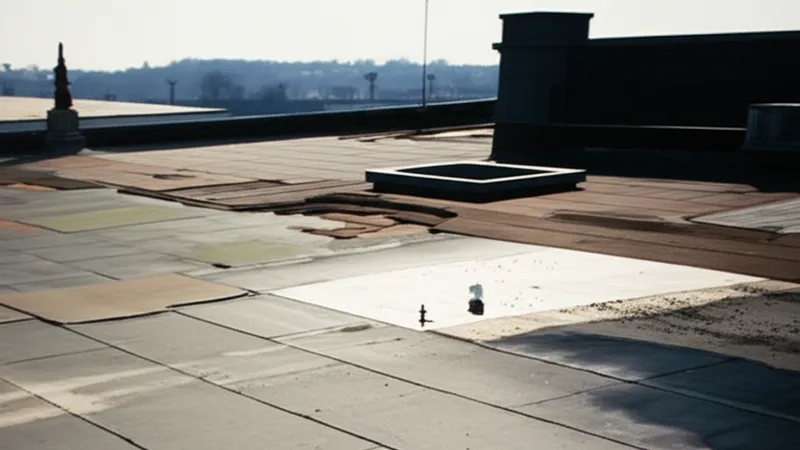
Overview
Roofers faced significant asbestos exposure from the many roofing products that contained asbestos for fire resistance and durability. Asbestos shingles, felt paper, coatings, and adhesives were standard materials in roofing work from the 1920s through the 1980s.
Asbestos in Roofing Products
| Product | Asbestos Content | Exposure Level |
|---|---|---|
| Asbestos shingles | 20–40% | High |
| Roofing felt/tar paper | 10–15% | High |
| Roof coatings | 5–20% | Moderate |
| Roof cement/adhesive | 10–25% | Moderate |
| Flashing cement | 10–25% | Moderate |
| Built-up roofing | Variable | Moderate |
How Roofers Were Exposed
New Installation
Installing new asbestos roofing products created exposure:
- Cutting shingles to fit around vents and edges
- Nailing through asbestos-cement materials
- Applying asbestos coatings and adhesives
- Laying asbestos-containing felt underlayment
Tear-Off Work
Removing old roofing created the highest exposure:
- Breaking apart deteriorated asbestos shingles
- Scraping old coatings and adhesives
- Handling crumbling asbestos felt
- Creating dust during demolition
Removing old asbestos roofing is one of the most hazardous tasks in the trade. Weathered, brittle asbestos shingles easily crumble, releasing concentrated fibers.
Types of Roofing Work
Roofers worked on various structures:
- Residential roofing: Single-family homes with asbestos shingles
- Commercial roofing: Built-up roofing systems
- Industrial roofing: Factory and warehouse roofs
- Institutional: Schools, hospitals, government buildings
Related Occupations
Roofers worked alongside:
- Carpenters, Structural work
- Sheet metal workers, Flashing installation
- Laborers, Cleanup and material handling
- Demolition workers, Building teardown
Related Industry
Current Risk
Roofers today still face asbestos exposure when replacing roofs on older buildings. Any building with roofing installed before 1980 may have asbestos-containing materials.
Health Consequences
Roofers with asbestos exposure are at risk for:
- Mesothelioma: Cancer of the chest or abdominal lining
- Asbestosis: Progressive lung scarring
- Lung cancer: Risk elevated by asbestos exposure
- Pleural disease: Thickening of lung lining
Legal Options
Roofers diagnosed with mesothelioma may pursue:
Asbestos Trust Funds
Manufacturers of roofing products containing asbestos:
- GAF Corporation Trust
- Various shingle and coating manufacturers
Additional Claims
- Product liability lawsuits: Against roofing material manufacturers
- Premises liability: Against building owners
- VA benefits: For military service exposure
- Workers’ compensation: Through employer coverage
An experienced attorney can help identify all potential sources of compensation based on your specific work history and product exposure.