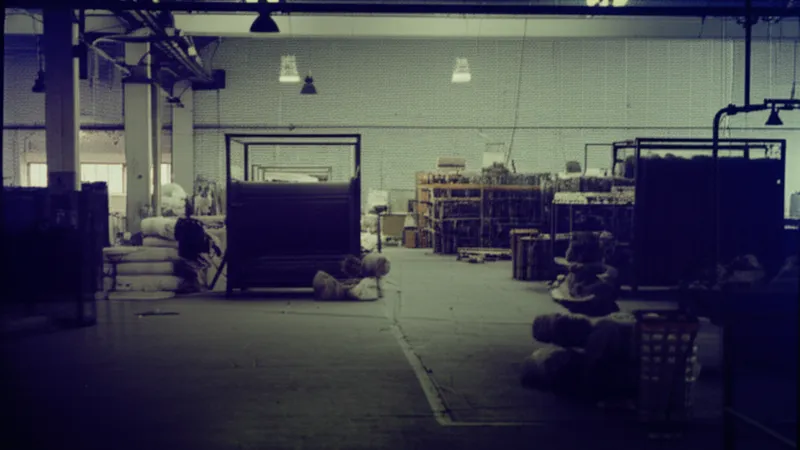
Workers who manufactured asbestos textiles faced among the highest asbestos exposure levels ever documented in occupational settings. These workers spun raw asbestos fiber into yarn, wove it into cloth, and fabricated it into finished products, handling the material at every stage of production. Epidemiological studies have found mesothelioma rates 10-30 times higher among asbestos textile workers compared to the general population.
The asbestos textile industry employed tens of thousands of American workers from the early 1900s through the 1980s. Mills in Pennsylvania, Massachusetts, New Jersey, and other states produced asbestos cloth, rope, blankets, brake linings, gaskets, and dozens of other products. Workers in these facilities accumulated extreme lifetime asbestos exposure.
The Scope of Asbestos Textile Manufacturing
Asbestos textiles were manufactured for numerous applications:
Industrial uses: Blankets for welding, packing for pumps and valves, rope for sealing, cloth for thermal barriers, tape for insulation, and felt for filtration.
Fire protection: Fireproof curtains, firefighting suits and gloves, industrial aprons, and fire blankets.
Friction products: Woven brake linings, clutch facings, and industrial brake materials.
Building products: Millboard, corrugated sheeting, and insulation boards.
The U.S. asbestos textile industry produced an estimated 200,000 tons of finished products annually during peak production years. Each ton required processing raw asbestos fiber through multiple manufacturing stages.
Documented Exposure Levels
Industrial hygiene studies in asbestos textile mills found extraordinarily high fiber concentrations:
| Process | Fiber Concentration (f/cc) | Multiple of Current PEL |
|---|---|---|
| Raw fiber preparation | 20-100+ | 200-1000x |
| Carding operations | 15-80 | 150-800x |
| Spinning | 10-50 | 100-500x |
| Weaving | 5-30 | 50-300x |
| Finishing/cutting | 5-25 | 50-250x |
OSHA’s current permissible exposure limit is 0.1 fibers/cc. Textile workers routinely experienced exposures 100 to 1,000 times this level before modern regulations.
A landmark NIOSH study of North Carolina asbestos textile workers found average fiber concentrations of 15-25 fibers/cc in weaving areas during the 1960s and 1970s, with peak exposures exceeding 100 fibers/cc during raw fiber handling.
Research on Textile Worker Disease
The asbestos textile industry has been extensively studied due to extreme exposure levels and resulting disease:
Dement et al. (1983, 1994): Studies of a South Carolina asbestos textile plant found proportional mortality ratio of 12.4 for mesothelioma and dose-response relationships between cumulative exposure and disease.
McDonald et al. (1983): Found that textile workers had 2.3 times higher lung cancer mortality than chrysotile miners, despite similar total fiber exposure, attributed to the longer fibers used in textile manufacturing.
Peto et al. (1985): Documented mesothelioma risk increasing with exposure duration, with workers employed more than 20 years showing 40 times the expected mesothelioma mortality.
Stayner et al. (1997): Updated analysis of U.S. textile workers found lifetime mesothelioma risk of approximately 2.5% for heavily exposed workers, compared to general population risk below 0.1%.
Berry et al. (2012): Long-term follow-up of British textile workers found mesothelioma cases continuing to occur 50+ years after initial exposure.
Manufacturing Processes and Exposure
Understanding how asbestos textiles were made reveals why exposure was so extreme:
Raw fiber preparation: Bales of raw asbestos were opened and the fiber was cleaned, sorted by grade, and prepared for processing. This created visible clouds of airborne fiber throughout the preparation area.
Carding: Raw fiber was passed through carding machines that aligned fibers for spinning. The mechanical action released enormous quantities of airborne fibers.
Spinning: Carded fiber was spun into yarn using equipment adapted from the cotton industry. Workers tended multiple spinning machines in rooms thick with airborne fiber.
Weaving: Asbestos yarn was woven into cloth on looms. The mechanical action of weaving, combined with the natural shedding of asbestos fiber, created continuous exposure.
Finishing: Woven cloth was cut, sewn, and fabricated into finished products. Each cutting and handling operation released additional fibers.
Maintenance: Workers who maintained textile machinery accumulated exposure during cleaning, repair, and replacement of components.
Throughout these processes, workers typically wore no respiratory protection. Ventilation was often inadequate or nonexistent. Workers went home covered in asbestos dust.
Textile workers routinely experienced fiber concentrations 100-1,000 times current OSHA limits. Raw fiber handling reached 20-100+ fibers/cc (200-1,000x PEL). Studies documented 2.5% lifetime mesothelioma risk for heavily exposed workers: 25 times higher than the general population.
Notable Asbestos Textile Facilities
Several U.S. asbestos textile mills have been extensively documented:
Tyler, Texas (Pittsburgh Corning): A Johns-Manville operation that produced asbestos insulation. Studies found mesothelioma mortality 25 times expected among former workers. The facility operated from 1954 to 1972.
Manville, New Jersey: The Johns-Manville corporate headquarters and manufacturing complex. Multiple studies documented extreme disease rates among workers.
Ambler, Pennsylvania: Home to several asbestos manufacturers. The town has been called “the most asbestos-contaminated community in America.” Former workers and residents continue developing mesothelioma.
North Charleston, South Carolina: The NIOSH cohort study site. Follow-up through 2001 documented continued mesothelioma mortality decades after plant closure.
The Legacy of Asbestos Textile Work
The health consequences of asbestos textile manufacturing continue decades after most U.S. mills closed:
Latency period: Mesothelioma typically develops 20-50 years after exposure. Workers exposed in the 1960s and 1970s continue developing disease today.
Community exposure: Families of textile workers developed mesothelioma from take-home exposure on contaminated clothing. Environmental contamination near mills exposed residents.
Ongoing health monitoring: Former textile workers require continued medical surveillance. Some facilities have established worker health programs, though many affected workers lack organized follow-up.
Trust fund claims: Workers continue filing claims with asbestos trust funds established by bankrupt textile and asbestos companies.
Protecting Former Workers
Former asbestos textile workers should:
Document work history: Record employers, dates of employment, job duties, and specific exposures. This documentation supports benefit and legal claims.
Notify healthcare providers: Inform doctors about asbestos textile work. This history affects evaluation of respiratory symptoms.
Monitor health: Consider regular medical surveillance including pulmonary function testing and imaging. Early detection of asbestos-related changes may allow for earlier intervention.
Know your options: Former workers diagnosed with mesothelioma may have claims against product manufacturers, former employers, and asbestos trust funds.
Connect with others: Former textile worker groups and patient advocacy organizations provide support and information sharing.
Legal and Compensation Options
Asbestos textile workers diagnosed with mesothelioma have multiple potential compensation sources:
Product liability: Raw asbestos suppliers who sold fiber to textile mills may be liable. Major suppliers included companies that have now established asbestos trust funds.
Employer liability: Some former textile companies remain solvent and can be sued directly. Others have established trusts through bankruptcy.
Asbestos trust funds: The Johns-Manville trust, established in 1988, has paid billions to claimants. Other textile-related trusts include those for Raymark Industries and various asbestos mining companies.
Workers’ compensation: Former workers may file occupational disease claims in states where manufacturers were located, though statute of limitations issues may apply.
Because many asbestos textile manufacturers have gone bankrupt, trust fund claims often represent the primary compensation source for affected workers.
Environmental Contamination
Asbestos textile manufacturing contaminated surrounding communities:
Waste disposal: Mills generated enormous quantities of asbestos waste, often dumped in uncontrolled landfills or used as fill material.
Air emissions: Fiber escaped through ventilation systems, contaminating air in surrounding areas. Residents living near mills developed mesothelioma from environmental exposure.
Take-home exposure: Workers carried fibers home on clothing, exposing family members. Studies have documented mesothelioma among spouses and children of textile workers who never entered mills themselves.
Residual contamination: Former mill sites often remain contaminated. Some have been designated Superfund sites requiring federal cleanup.
The EPA has documented elevated asbestos levels in soil, air, and water near former textile mills, creating ongoing exposure potential for current residents.
Related Articles
- High-Risk Occupations for Asbestos
- Secondary Asbestos Exposure
- Asbestos Trust Funds
- Mesothelioma Latency Period
- Environmental Asbestos Exposure
Why did textile workers face such high risk?▼
Textile workers handled raw asbestos at every production stage. Spinning, weaving, cutting, finishing. Fiber concentrations reached 100-1,000 times current limits. Workers wore no protection and went home covered in dust. Studies show 10-30x higher mesothelioma rates.
What products were made in asbestos textile mills?▼
Industrial blankets, fire protection suits and curtains, brake linings and clutch facings, packing for pumps and valves, rope and tape, insulation boards. The U.S. produced ~200,000 tons of asbestos textile products annually at peak.
Who else was exposed besides textile workers?▼
Families developed mesothelioma from take-home exposure on contaminated clothing. Residents near mills faced environmental contamination from waste disposal, air emissions, and residual contamination. Some former mill sites are Superfund cleanup sites.
What compensation is available?▼
Trust fund claims (Johns-Manville trust has paid billions), product liability claims against raw asbestos suppliers, employer liability where companies remain solvent, and workers’ compensation for occupational disease.