Asbestos Exposure: Risks & What to Do
Asbestos exposure causes mesothelioma 20-50 years later. Learn how exposure happens, high-risk occupations, and steps to take if you were exposed.

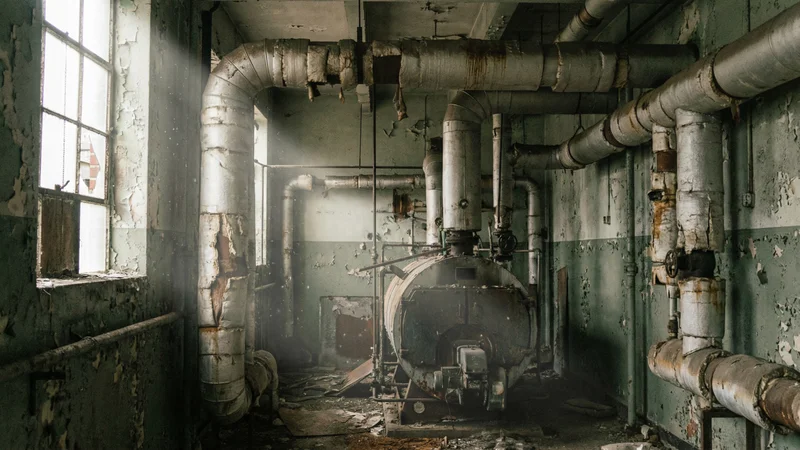
What Is Asbestos Exposure?
Asbestos exposure occurs when microscopic asbestos fibers are released into the air and inhaled or ingested. These fibers can lodge in body tissues and remain there for decades, eventually causing mesothelioma, lung cancer, or asbestosis.
Key facts:
- Over 27 million American workers were exposed to asbestos between 1940-1979
- There is no safe level of asbestos exposure
- The average latency period is 20-50 years from exposure to disease
- Asbestos is the only known cause of mesothelioma
How Asbestos Exposure Occurs
Asbestos becomes dangerous when its fibers are released into the air. That happens when asbestos-containing materials are cut, drilled, or sanded, when aging material crumbles or flakes, when water damage or fire degrades the binder, or during renovation and demolition work.
Intact asbestos materials that are undisturbed generally don’t release fibers. The danger comes when materials are disturbed or degrade over time. If you suspect asbestos in your home, don’t disturb it. Hire licensed professionals.
Four Pathways of Exposure
On the Job
Occupational exposure is the most common route. Insulators carry roughly 10 times the general-population mesothelioma risk. Shipyard workers, boilermakers, pipefitters, electricians, construction trades, auto mechanics, firefighters (about double the baseline risk), and military personnel (especially Navy veterans who served aboard pre-1980 ships) round out the highest-risk roles.
The industries with the heaviest historical exposure include shipbuilding, construction, power generation, oil refineries, steel mills, automotive manufacturing, and chemical plants.
At Home (Secondary or Take-Home Exposure)
Family members were exposed when workers carried fibers home on clothing, hair, skin, tools, and vehicles. Spouses who laundered contaminated work clothes and children who hugged a returning parent or played near work clothes faced the highest household risk. Studies published in Environmental Health and elsewhere confirm elevated mesothelioma rates among spouses of asbestos workers.
In the Environment
People living near asbestos mines, processing plants, or natural deposits have developed mesothelioma without direct occupational exposure. The W.R. Grace vermiculite operation in Libby, Montana exposed the surrounding community to tremolite-contaminated ore for decades and remains the most documented US environmental exposure cluster.
During Renovation or DIY Work
Homeowners and tradespeople are exposed when pre-1980 materials are disturbed during renovation, demolition, or amateur repair work. Popcorn ceilings, 9-inch floor tiles, joint compound, and pipe insulation all commonly contain chrysotile.
Where Asbestos Was Used
Asbestos was used in thousands of products across dozens of industries:
Building Materials
| Product | Common Locations |
|---|---|
| Insulation | Walls, attics, pipes, boilers |
| Floor tiles | Kitchens, bathrooms, basements |
| Ceiling tiles | Commercial buildings, schools |
| Roofing | Shingles, felt, coatings |
| Siding | Cement siding, shingles |
| Drywall compounds | Joint compounds, texture coatings |
Industrial Products
- Gaskets and packing
- Brake pads and clutches
- Fireproofing materials
- Electrical insulation
- Protective clothing
- Cement pipes
Ships and Military
- Pipe insulation throughout vessels
- Boiler room insulation
- Engine room components
- Fireproofing materials
- Sleeping quarters insulation
How Asbestos Causes Disease
Inhaled or swallowed fibers travel deep into lung tissue, the pleural lining, or (for ingested fibers) the peritoneum. Macrophages attempt to engulf the fibers but cannot break them down, a process pathologists call frustrated phagocytosis. The immune cells die, releasing inflammatory chemicals. Chronic inflammation damages surrounding cells, oxidative stress mutates DNA, and over decades, cells in the mesothelial lining can become cancerous.
The 20-50 year latency between first exposure and diagnosis reflects how slowly cellular damage accumulates. The body keeps trying, and failing, to clear the fibers. Cancer develops through multiple stages of mutation, and immune surveillance can delay tumor growth for years.
Dose and Fiber Type Matter
Any exposure can cause mesothelioma, but risk rises with duration, fiber concentration, and cumulative exposure over a lifetime. Fiber type also matters: amphibole fibers like crocidolite, amosite, and tremolite are more carcinogenic than serpentine chrysotile, though all six regulated forms cause disease.
Who Is Most at Risk
Relative mesothelioma risk by occupation:
| Occupation | Relative Risk |
|---|---|
| Insulators | 10x general population |
| Shipyard workers | 5-7x |
| Firefighters | 2x |
| Construction workers | 2-5x |
| Auto mechanics | 2x |
Men are roughly three times more likely to develop mesothelioma than women because of historical occupational exposure patterns. US veterans account for more than 30% of diagnosed cases, a legacy of heavy Navy shipboard asbestos use. People age 65 and older have the highest incidence, reflecting exposures from the 1950s through the 1970s. Industrial regions and shipyard cities (Newport News, Portsmouth, San Diego, Philadelphia, Bath) see clustered case counts.
People carrying a BAP1 gene mutation are more susceptible to mesothelioma after asbestos exposure and may develop disease with lower cumulative exposure than the general population.
Signs You May Have Been Exposed
Consider your risk if you:
- Worked in construction, shipyards, or industrial settings before 1990
- Served in the military, especially Navy
- Lived with someone who worked with asbestos
- Lived near asbestos mines or processing facilities
- Renovated homes built before 1980
- Worked with brake pads, insulation, or roofing materials
Remember: Exposure may have occurred decades ago. The latency period means disease can develop 20-50 years after last exposure.
What to Do If You Were Exposed
Step 1: Document Your Exposure History
Record company names and addresses where you worked, the dates of each job, the materials you handled or worked near, how long each exposure lasted, and the names of co-workers who could serve as witnesses. Exposure documentation is the foundation of any trust claim or personal injury filing decades later.
Step 2: Inform Your Healthcare Providers
Tell every doctor about your asbestos exposure history. This information:
- Changes how they evaluate respiratory symptoms
- May prompt earlier screening
- Ensures appropriate monitoring
Step 3: Monitor for Symptoms
Be aware of warning signs:
- Persistent shortness of breath
- Dry cough that doesn’t resolve
- Chest or abdominal pain
- Unexplained fatigue
- Unexplained weight loss
Don’t dismiss symptoms as normal aging or common illness if you have exposure history. Persistent shortness of breath, dry cough, chest or abdominal pain, and unexplained weight loss warrant evaluation. Especially if you were exposed 20+ years ago.
Step 4: Consider Health Monitoring
Discuss with your doctor:
- Baseline chest imaging
- Regular check-ups
- What symptoms should prompt immediate evaluation
Step 5: Understand Your Legal Options
If you develop mesothelioma:
- Asbestos trust funds hold $30B+ for those affected
- Personal injury lawsuits may be possible
- Veterans may qualify for VA benefits
- Time limits (statute of limitations) apply
Preventing Future Exposure
For Current Workers
If you work in industries where asbestos may be present:
- Follow all OSHA safety protocols
- Use required personal protective equipment (PPE)
- Don’t bring work clothes home
- Shower before leaving work
- Report unsafe conditions
For Homeowners
If your home was built before 1980:
- Assume materials may contain asbestos
- Don’t disturb suspected materials
- Hire licensed professionals for testing and removal
- Never sand, scrape, or drill unknown materials
Asbestos Still Exists
Despite regulations, asbestos is not banned in the United States. It’s still found in:
- Older buildings (insulation, tiles, pipes)
- Some imported products
- Naturally occurring deposits
- Legacy industrial sites
Getting Help After Diagnosis
If you develop mesothelioma after asbestos exposure:
- Seek specialized care at a mesothelioma treatment center
- Get a second opinion from mesothelioma experts
- Explore all treatment options including clinical trials
- Document your exposure history thoroughly
- Consult with an attorney about compensation options
- Connect with support resources for patients and families
Reader Q&A
Frequently Asked Questions
How do I know if I was exposed to asbestos?
Consider your risk if you worked in construction, shipyards, or industrial settings before 1990; served in the military (especially Navy); lived with someone who worked with asbestos; or renovated homes built before 1980.
What should I do if I was exposed?
Document your exposure history (where, when, what materials, how long). Inform all healthcare providers about your exposure. Monitor for symptoms. Discuss screening options with your doctor.
Is asbestos still legal in the United States?
Yes. Despite regulations, asbestos is not completely banned in the US. It’s still found in older buildings, some imported products, naturally occurring deposits, and legacy industrial sites.
What legal options exist if I develop mesothelioma?
Asbestos trust funds hold $30+ billion for compensation. Personal injury lawsuits may be possible against negligent companies. Veterans may qualify for VA benefits. Time limits apply, so consult an attorney promptly after diagnosis.
Will 30 minutes of asbestos exposure hurt you?
No level of asbestos exposure is considered safe, but a single 30-minute exposure carries a relatively low risk of causing mesothelioma or other asbestos-related disease, because risk follows a dose-response relationship tied to long-term occupational exposure. OSHA notes that short exposures of even a few days can in rare cases lead to mesothelioma decades later, but evidence shows isolated brief incidents are unlikely to cause harm unless they involve high fiber concentrations, poor ventilation, or amphibole asbestos types. Visible dust and enclosed spaces raise the risk; intact materials outdoors pose minimal threat. Anyone with a known exposure history should share that history with their physician, since asbestos-related disease may appear 20 to 50 years after exposure.