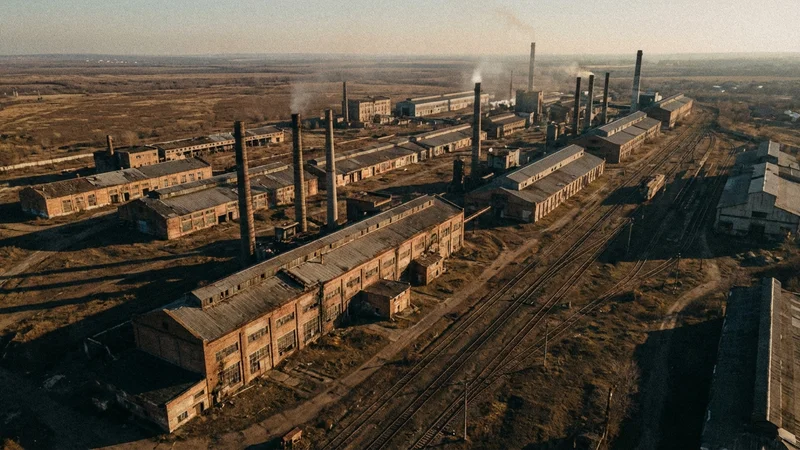
The Geography of Asbestos Exposure
4,446 documented asbestos exposure sites have been identified across all 50 states and Washington D.C. through litigation records, environmental reports, and occupational health databases. These sites represent locations where workers were exposed to asbestos-containing materials, often without adequate protection or warning.
Understanding where exposure occurred helps patients establish work history documentation, which is essential for medical care and potential compensation claims.
Top 15 States by Documented Exposure Sites
| Rank | State | Documented Sites | % of Total |
|---|---|---|---|
| 1 | Illinois | 798 | 17.9% |
| 2 | Alabama | 505 | 11.4% |
| 3 | Missouri | 333 | 7.5% |
| 4 | Texas | 246 | 5.5% |
| 5 | Wisconsin | 187 | 4.2% |
| 6 | Michigan | 180 | 4.0% |
| 7 | Ohio | 172 | 3.9% |
| 8 | California | 150 | 3.4% |
| 9 | Tennessee | 140 | 3.1% |
| 10 | Florida | 134 | 3.0% |
| 11 | Indiana | 130 | 2.9% |
| 12 | Pennsylvania | 117 | 2.6% |
| 13 | Iowa | 105 | 2.4% |
| 14 | New York | 104 | 2.3% |
| 15 | Georgia | 97 | 2.2% |
These 15 states account for 74.3% of all documented exposure sites.
Why Illinois Leads the Nation
Illinois has nearly 800 documented asbestos exposure sites, more than any other state. Several factors contribute to this concentration:
Industrial History
- Heavy manufacturing base: Chicago and surrounding areas hosted steel mills, refineries, and manufacturing plants throughout the 20th century
- Railroad industry: Illinois was a national railroad hub, and trains used asbestos extensively in braking systems, insulation, and engine components
- Power generation: Coal-fired power plants across the state used asbestos insulation
Construction Boom
- Commercial buildings: Downtown Chicago’s skyscrapers and industrial buildings were constructed with asbestos-containing materials
- Residential construction: Homes built before 1980 commonly contained asbestos in insulation, flooring, and siding
The Southern Industrial Belt
Alabama (505 sites) and Tennessee (140 sites) reflect the South’s industrial heritage:
Alabama’s Exposure Legacy
- Steel industry: Birmingham was known as the “Pittsburgh of the South”
- Shipyards: Mobile’s shipyards employed thousands during WWII
- Chemical plants: The state’s petrochemical industry used asbestos extensively
- Mining operations: Coal and iron ore mining exposed workers to asbestos-contaminated minerals
Tennessee’s Industrial Footprint
- Oak Ridge National Laboratory: Nuclear facility workers faced asbestos exposure
- Manufacturing centers: Memphis, Nashville, and Chattanooga hosted major industrial operations
- Chemical manufacturing: The state’s chemical plants relied on asbestos insulation
The Midwest Manufacturing Corridor
Missouri (333), Wisconsin (187), Michigan (180), Ohio (172), Indiana (130), and Iowa (105) form a manufacturing belt with extensive asbestos use:
Common Exposure Sources
- Automotive plants: Detroit and surrounding areas manufactured vehicles using asbestos brakes, clutches, and gaskets
- Foundries: Metal casting operations used asbestos for heat protection
- Paper mills: Wisconsin’s paper industry used asbestos in machinery insulation
- Grain processing: Agricultural processing facilities used asbestos insulation
- Power plants: Coal-fired plants throughout the region
Texas: Energy Industry Exposure
Texas ranks 4th with 246 documented exposure sites, concentrated in:
- Refineries: Houston’s petrochemical corridor employed workers exposed to asbestos insulation
- Shipyards: Galveston, Houston, and Beaumont shipyards used asbestos extensively
- Oil and gas: Drilling and processing operations used asbestos materials
- Power plants: Natural gas and coal plants across the state
Types of Exposure Sites
Our database includes various facility types:
Industrial Facilities
- Power plants (coal, nuclear, natural gas)
- Refineries and chemical plants
- Steel mills and foundries
- Manufacturing plants
- Paper mills and processing facilities
Construction Sites
- Commercial building construction
- Industrial facility construction
- Residential developments (pre-1980)
- Infrastructure projects (bridges, tunnels)
Shipyards and Naval Facilities
- Commercial shipyards
- Naval shipyards and bases
- Ship repair facilities
- Maritime industrial sites
Military Installations
- Army depots and bases
- Naval facilities
- Air Force bases
- Veterans’ facilities
Mining and Processing
- Asbestos mines (primarily Montana, California, Vermont)
- Vermiculite processing plants
- Coal mines (asbestos-contaminated)
- Iron ore processing
The Latency Factor
Workers exposed at these sites may not develop mesothelioma for 20 to 50 years after exposure. This means:
- Workers exposed in the 1970s and 1980s are being diagnosed now
- Family members who washed work clothes may have been exposed (secondary exposure)
- Building occupants may have been exposed during renovations or demolition
What This Data Means for Patients
Establishing Work History
If you have been diagnosed with mesothelioma, documenting your work history is essential:
- List all jobs held from age 16 forward
- Identify facilities where you worked
- Document job duties and materials handled
- Note co-worker names who can verify exposure
Medical Care Considerations
Knowing your exposure history helps medical teams:
- Understand your risk factors
- Monitor for disease progression
- Connect you with appropriate specialists
- Recommend relevant clinical trials
Potential Compensation
Many companies that exposed workers to asbestos have established trust funds to compensate those affected. Documenting your work at specific exposure sites is often required for claims.
Finding Sites in Your State
Our database covers all 50 states plus Washington D.C. While this article highlights the top 15 states, exposure occurred nationwide. Even states with fewer documented sites, Alaska (8), Wyoming (12), Hawaii (14), have facilities where workers were exposed.
If you worked at an industrial facility, shipyard, power plant, or construction site before 1990, you may have been exposed to asbestos.
Limitations of This Data
This database represents documented exposure sites from available records. The actual number of exposure locations is likely higher because:
- Many small facilities were never documented
- Some records have been lost or destroyed
- Not all exposure led to litigation
- Some facilities closed before documentation began
If you worked at industrial facilities, shipyards, power plants, or construction sites before 1990, document your work history now. This information is essential for medical care and potential compensation claims.
Why does Illinois have the most documented exposure sites?▼
Illinois led the nation in 20th-century manufacturing and served as a national railroad hub. Chicago and surrounding areas hosted steel mills, refineries, and manufacturing plants that used asbestos extensively. The state’s commercial construction boom also contributed to widespread asbestos use.
Does this data include all asbestos exposure locations?▼
No. These 4,446 sites represent documented exposure from litigation records, environmental reports, and occupational databases. The actual number is likely higher because many smaller facilities were never documented, some records have been lost, and not all exposure led to litigation.
How can I find out if I was exposed to asbestos?▼
If you worked at industrial facilities, shipyards, power plants, or construction sites before 1990, you may have been exposed. Document all jobs held from age 16 forward, identify facilities where you worked, and note job duties and materials handled. This work history is essential for medical evaluation.
Why is work history documentation important for people with mesothelioma?▼
Work history documentation helps establish the connection between your disease and asbestos exposure. It’s essential for medical care (understanding risk factors), VA claims (for veterans), and compensation claims from asbestos trust funds or lawsuits against manufacturers.