Mesothelioma Awareness Day: September 26
September 26 is Mesothelioma Awareness Day. Learn about the history of awareness efforts, current statistics, and how to get involved.

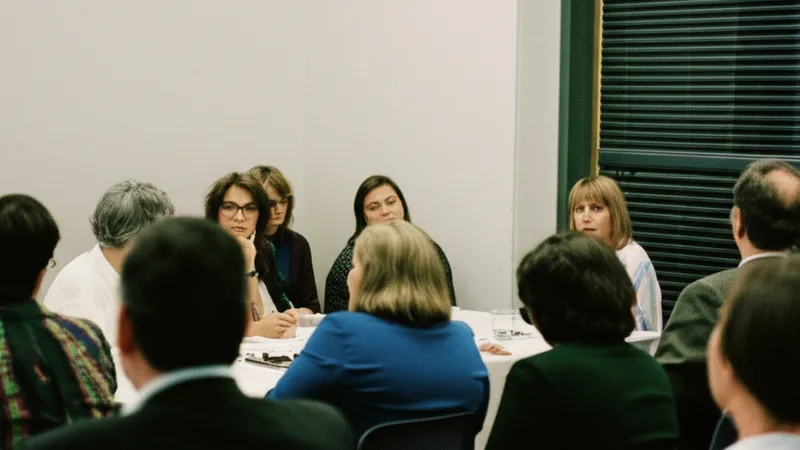
Every September 26, patients, families, and advocates worldwide recognize Mesothelioma Awareness Day, a day dedicated to honoring those affected by this preventable cancer and advancing efforts to ban asbestos globally.
Why Awareness Matters
The Ongoing Crisis
| Current Statistics (U.S.) | Numbers |
|---|---|
| Annual mesothelioma deaths | ~2,500 |
| Annual new diagnoses | ~3,000 |
| 5-year survival rate | ~10% |
| Years since peak asbestos use | 50+ |
Despite decades of known dangers, mesothelioma continues to claim thousands of lives annually. Awareness drives prevention, early detection, and research funding.
The Knowledge Gap
Many Americans don’t know:
| Misconception | Reality |
|---|---|
| ”Asbestos is banned” | Only chrysotile banned (2024); legacy asbestos remains |
| ”Only old buildings have it” | Asbestos in millions of structures built before 1980 |
| ”Only workers get it” | Environmental and secondary exposure cause cases |
| ”It’s rare” | ~3,000 new U.S. cases annually |
Awareness Day helps correct these misconceptions and educate the public.
Share on social media with #MesotheliomaAwarenessDay. Contact your legislators about stronger regulations. Donate to research. Attend local events. Tell your story. Personal narratives humanize statistics and motivate change.
History of Mesothelioma Awareness Day
How It Began
| Year | Milestone |
|---|---|
| 2004 | U.S. Senate passes resolution establishing September 26 |
| 2005 | First national observance |
| 2010 | Multiple states issue proclamations |
| 2015 | International recognition grows |
| 2020+ | Global awareness campaigns expand |
The date was chosen to honor Mesothelioma Awareness Day founder’s father, who died from the disease.
The Asbestos Disease Awareness Organization
ADAO, founded in 2004, leads awareness efforts:
| ADAO Focus Areas | Activities |
|---|---|
| Education | Patient resources, public awareness |
| Advocacy | Legislative campaigns for asbestos ban |
| Community | Support for patients and families |
| Research | Funding medical research |
ADAO has been instrumental in pushing for stronger U.S. asbestos regulations.
What Happens on Awareness Day
Educational Events
| Activity | Purpose |
|---|---|
| Congressional briefings | Educate lawmakers |
| Medical conferences | Share research updates |
| Memorial events | Honor those who died |
| Media campaigns | Public education |
| Social media awareness | Reach younger generations |
The Blue Ribbon Campaign
The blue ribbon symbolizes mesothelioma awareness. The color blue represents the lung and chest cavity where pleural mesothelioma develops. The ribbon is worn on lapels and shared on social media, and it connects patients, families, and advocates worldwide.
How to Get Involved
Participate in Awareness Day
| Action | Impact |
|---|---|
| Share on social media | #MesotheliomaAwarenessDay |
| Contact your legislators | Advocate for stronger regulations |
| Donate to research | Fund treatment advances |
| Attend local events | Connect with community |
| Tell your story | Personal stories create change |
Year-Round Advocacy
| Ongoing Action | Purpose |
|---|---|
| Support ADAO or other organizations | Sustained advocacy |
| Educate others | Spread awareness |
| Push for workplace safety | Prevent exposures |
| Advocate for legacy asbestos removal | Reduce future cases |
Current Advocacy Priorities
Legislative Goals
| Priority | Status |
|---|---|
| Global asbestos ban | 70+ countries have bans |
| Legacy asbestos regulations | EPA rule under development |
| Faster phase-out timelines | Advocacy ongoing |
| Research funding increases | Congressional support growing |
Medical Research Focus
| Research Area | Goal |
|---|---|
| Early detection biomarkers | Diagnose sooner |
| Immunotherapy optimization | Better treatments |
| Gene therapy approaches | Target cancer specifically |
| Prevention strategies | Reduce risk after exposure |
Impact of Awareness Efforts
Policy Victories
Awareness campaigns contributed to:
| Achievement | Year |
|---|---|
| TSCA reform (Lautenberg Act) | 2016 |
| EPA chrysotile ban | 2024 |
| Increased NIH research funding | Ongoing |
| State asbestos regulations | Multiple states |
Medical Progress
| Advance | Significance |
|---|---|
| Opdivo + Yervoy approval | First new treatment in years |
| Biomarker research | Improving diagnosis |
| Clinical trial expansion | More treatment options |
| Surgical technique refinement | Better outcomes |
Awareness drives funding and attention that enable these advances.
Patient and Family Stories
Why Stories Matter
Personal narratives:
- Humanize statistics
- Motivate legislators and researchers
- Connect patients with resources
- Inspire advocacy involvement
Sharing your story, or a loved one’s, can make a difference.
Resources for Patients and Families
Support Organizations
| Organization | Services |
|---|---|
| ADAO | Advocacy, education, community |
| Mesothelioma Applied Research Foundation | Research funding, patient support |
| American Cancer Society | General cancer support |
| CancerCare | Counseling, financial assistance |
Educational Resources
| Resource | Focus |
|---|---|
| What Is Mesothelioma | Disease overview |
| Treatment Options | Current therapies |
| Clinical Trials | Research opportunities |
| Legal Options | Compensation information |
Looking Forward
Goals for Future Awareness Days
| Goal | Target |
|---|---|
| Global asbestos elimination | Ongoing international push |
| Earlier diagnosis | Through screening and biomarkers |
| Improved survival rates | Through better treatments |
| Zero preventable exposures | Through regulation and education |
How You Can Help
Mark the calendar for September 26. Plan participation through events, social media, and advocacy. Educate yourself on mesothelioma and asbestos, spread the word with friends, family, and colleagues, and support research by donating, participating in trials, or advocating for funding increases through the Asbestos Disease Awareness Organization (ADAO) and the Mesothelioma Applied Research Foundation.
Reader Q&A
Frequently Asked Questions
When is Mesothelioma Awareness Day?
September 26, observed annually since 2004 when the U.S. Senate passed a resolution establishing it. The date honors the founder’s father who died from mesothelioma. The blue ribbon is the symbol of awareness.
Why does awareness matter?
Many Americans incorrectly believe asbestos is fully banned (only chrysotile banned in 2024), that only old buildings have it (millions of pre-1980 structures contain it), or that only workers get it (environmental and secondary exposure cause cases). Awareness drives prevention, early detection, and research funding.
What has awareness accomplished?
Awareness campaigns contributed to TSCA reform (Lautenberg Act 2016), the EPA chrysotile ban (2024), increased NIH research funding, state asbestos regulations, and FDA approval of new treatments like Opdivo + Yervoy.
How can I participate?
Share on social media (#MesotheliomaAwarenessDay), contact legislators, donate to research organizations like ADAO or Mesothelioma Applied Research Foundation, attend local events, and share your story or a loved one’s. Personal narratives create change.
What color represents mesothelioma?
Blue is the primary color representing mesothelioma awareness, with supporters wearing blue ribbons, wristbands, or clothing, especially on Mesothelioma Awareness Day (September 26). Some organizations also use pearl or blue-and-white ribbons. This symbolism promotes solidarity and research efforts for people with mesothelioma.
What famous person died from mesothelioma?
Steve McQueen, a prominent actor known for films like The Great Escape and The Magnificent Seven, died from pleural mesothelioma in 1980 at age 50. His exposure is linked to U.S. Marine service, shipyard work, and possible movie set insulation. Other celebrities who died from mesothelioma include musician Warren Zevon (2003), actor Ed Lauter (2013), and NFL player Merlin Olsen. Paleontologist Stephen Jay Gould survived peritoneal mesothelioma for 20 years before dying from unrelated lung cancer in 2002.
How did Steve McQueen get mesothelioma?
Steve McQueen was exposed to asbestos through multiple occupational and military sources over several decades. His primary exposure occurred during his service in the U.S. Marine Corps from 1947 to 1950, when he worked aboard naval ships and in shipyards, including removing asbestos lagging from pipes at Camp Lejeune. After his military service, he encountered additional asbestos exposure on movie soundstages where insulation contained the mineral, while wearing flame-resistant racing suits made with asbestos, and while working on race car and motorcycle brakes. McQueen did not develop symptoms until 1978, nearly 30 years after his initial military exposure, reflecting the typical latency period of 20 to 50 years between asbestos exposure and mesothelioma diagnosis. He was diagnosed with pleural mesothelioma in December 1979 and died in November 1980 at age 50.
What is the longest someone has lived with mesothelioma?
Paul Kraus holds the record as the longest-known survivor of mesothelioma, living 27 years after his 1997 diagnosis with peritoneal mesothelioma until his death in 2024 at age 79. Other notable cases include Heather Von St. James, who survived 20 years after a 2005 pleural mesothelioma diagnosis , and a patient reported in a peer-reviewed journal who exceeded 10 years with advanced pleural mesothelioma. While average survival for people with mesothelioma is 12 to 21 months with treatment, these outliers demonstrate exceptional longevity is possible.