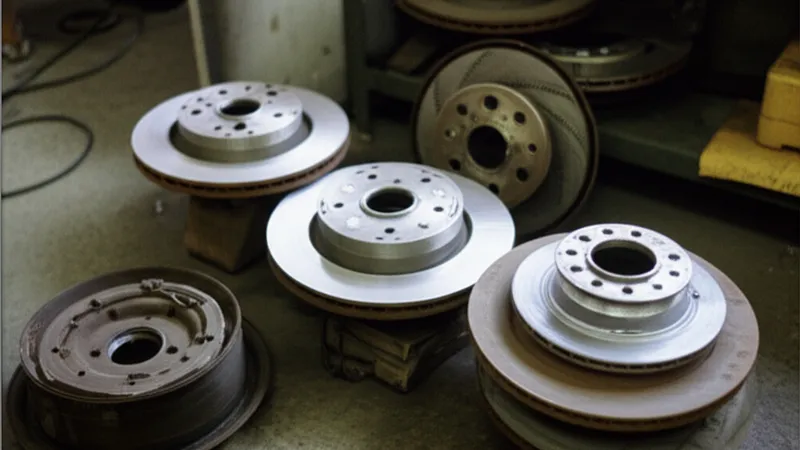
Overview
Auto mechanics faced significant asbestos exposure from brake pads, clutch plates, and gaskets used in automotive repair. While individual exposures were lower than in heavy industry, mechanics who performed brake and clutch work daily accumulated substantial lifetime exposure.
Asbestos was used in vehicle brake and clutch systems for decades. Every mechanic who performed brake work before the 2000s likely had some asbestos exposure.
Asbestos in Automotive Parts
| Part | Asbestos Content | Exposure Level |
|---|---|---|
| Brake pads | 40–60% | High |
| Brake shoes | 40–60% | High |
| Clutch facings | 30–50% | High |
| Transmission parts | Variable | Moderate |
| Gaskets | 10–40% | Moderate |
| Hood liners | Variable | Low |
How Auto Mechanics Were Exposed
Brake Work
Brake repair was the primary source of asbestos exposure:
- Removing brake drums released accumulated asbestos dust
- Compressed air cleaning created airborne fiber clouds
- Handling worn brake pads and shoes
- Grinding or beveling new brake pads
Clutch Work
Clutch replacement involved:
- Removing worn clutch plates
- Cleaning clutch housings
- Installing new asbestos clutch facings
OSHA eventually banned the use of compressed air for cleaning brake assemblies because it created dangerous asbestos fiber clouds. However, this practice was common for decades.
Types of Automotive Work
Mechanics in various settings faced exposure:
- Independent repair shops: General automotive service
- Dealership service departments: Manufacturer service
- Fleet maintenance: Trucks, buses, company vehicles
- Heavy equipment repair: Construction and farm equipment
- Automotive manufacturing: Assembly line work
Related Occupations
Other workers with automotive asbestos exposure:
- Maintenance workers, Fleet vehicles
- Laborers, Cleanup and disposal
- DIY mechanics, Home brake repairs
Aftermarket Parts
Some aftermarket brake pads and clutch facings imported from overseas may still contain asbestos. Mechanics should verify parts are asbestos-free before installation.
Health Risks
Auto mechanics with brake dust exposure are at risk for:
- Mesothelioma: Cancer of the lung or abdominal lining
- Asbestosis: Progressive lung scarring
- Lung cancer: Especially combined with smoking
- Pleural plaques: Calcified scarring on lung lining
Legal Options
Auto mechanics diagnosed with mesothelioma may pursue:
Asbestos Trust Funds
Brake and clutch manufacturers have established trusts:
- Bendix (Allied Signal) Trust
- Raybestos (Honeywell) Trust
- Various gasket manufacturer trusts
Additional Claims
- Product liability lawsuits: Against brake pad manufacturers
- Premises liability: Against shop owners
- Workers’ compensation: Through employer coverage
An experienced attorney can help identify all potential sources of compensation based on your specific work history and product exposure.