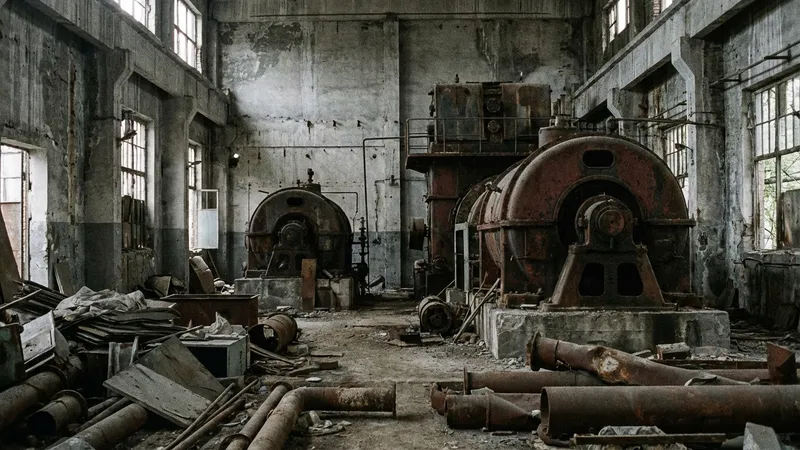
The United Kingdom has the highest mesothelioma death rate in the world, providing a sobering preview of what asbestos-exposed populations face decades after exposure. Britain’s experience offers lessons for the United States and other nations.
Why the UK Has the Highest Rates
Historical Asbestos Use
| Factor | UK Impact |
|---|---|
| Heavy industrialization | Shipbuilding, manufacturing, construction |
| Concentrated asbestos use | 1950s–1980s |
| Blue asbestos imports | More dangerous amphibole types |
| Lagging regulations | Full ban not until 1999 |
Britain was one of the world’s largest asbestos importers during the 20th century, with particularly heavy use of dangerous amphibole asbestos in shipyards and heavy industry.
Geographic Hotspots
| Region | Primary Exposure Source |
|---|---|
| Barrow-in-Furness | Shipbuilding (highest rates) |
| Glasgow/Clyde | Shipyards |
| Plymouth | Naval shipyards |
| Industrial Midlands | Manufacturing |
| London | Construction, renovation |
Barrow-in-Furness, home to major shipyards, has among the highest mesothelioma rates of any town in the world.
Comparison with the United States
| Metric | UK | United States |
|---|---|---|
| Annual mesothelioma deaths | ~2,700 | ~2,500 |
| Population | 67 million | 330 million |
| Death rate per capita | 4x higher | Baseline |
| Year of asbestos ban | 1999 | 2024 (partial) |
| Compensation system | Government + civil | Civil litigation + trust funds |
Despite having one-fifth the U.S. population, Britain has more mesothelioma deaths annually, reflecting heavier historical exposure.
UK Compensation System
Diffuse Mesothelioma Payment Scheme
The UK established a government compensation program for people with mesothelioma who cannot trace their exposure to a specific employer:
| Program Feature | Detail |
|---|---|
| Eligibility | UK residents diagnosed with mesothelioma |
| Requirement | Unable to claim from employer/insurer |
| Average payment | £120,000+ (approximately $150,000) |
| Funded by | Insurance industry levy |
Civil Claims
| Claim Type | Features |
|---|---|
| Employer liability | Against former employers with insurance |
| Product liability | Against asbestos product manufacturers |
| Government claims | Some military/public sector claims |
UK claimants can pursue both government compensation and civil claims in some circumstances.
Comparison to U.S. System
| Aspect | UK | United States |
|---|---|---|
| Government program | Yes | No |
| Trust funds | Limited | Over 60 funds |
| Trial verdicts | Available | Available, sometimes higher |
| Average compensation | £120,000–400,000 | $1–2 million (varies widely) |
The U.S. relies more heavily on civil litigation and bankruptcy trust funds, with no government compensation program.
What the UK Experience Teaches
Lesson 1: Cases Continue Decades After Ban
| Year | UK Mesothelioma Deaths |
|---|---|
| 1999 (ban year) | ~1,600 |
| 2010 | ~2,300 |
| 2019 | ~2,400 |
| 2023 | ~2,700 |
Britain banned asbestos in 1999, yet deaths continued rising for 25+ years. The U.S. should expect similar patterns.
UK deaths rose from ~1,600 in 1999 (ban year) to ~2,700 by 2023–25+ years later. With the U.S. partial ban in 2024, expect continued case increases for decades. Women’s rates are rising as non-occupational exposures become more significant.
Lesson 2: Legacy Asbestos Remains Dangerous
Despite the ban, UK workers still face exposure from:
| Source | Risk Level |
|---|---|
| Building renovation | High |
| Maintenance work | Moderate to high |
| DIY home projects | Moderate |
| Demolition | High |
An estimated 500,000 UK buildings still contain asbestos materials.
Lesson 3: Women’s Rates Are Rising
| Demographic Trend | Explanation |
|---|---|
| Male rates | Declining slightly (fewer occupational exposures) |
| Female rates | Rising (secondary, environmental exposure) |
| Non-occupational cases | Increasing proportion |
This shift reflects transition from workplace-only exposure to broader environmental contact.
Lesson 4: Compensation Systems Matter
The UK’s government compensation scheme ensures all patients receive some support, regardless of whether they can identify responsible employers. The U.S. lacks such a safety net.
UK Regulatory Approach
Current Asbestos Rules
| Regulation | Requirement |
|---|---|
| Control of Asbestos Regulations 2012 | Comprehensive workplace rules |
| Duty to manage | Building owners must assess and manage asbestos |
| Licensing | Required for most asbestos work |
| Training | Mandatory for workers who may encounter asbestos |
The UK has stronger “duty to manage” requirements than the U.S. requiring building owners to proactively identify and manage asbestos.
Enforcement
| Agency | Role |
|---|---|
| Health and Safety Executive (HSE) | Workplace enforcement |
| Local authorities | Some enforcement powers |
| Courts | Criminal and civil penalties |
The HSE actively investigates asbestos violations, with criminal penalties for serious breaches.
What the UK Gets Right
Proactive Asbestos Management
| UK Approach | U.S. Comparison |
|---|---|
| Mandatory asbestos surveys | Generally not required |
| Register of asbestos locations | Building-by-building |
| Regular inspections required | Varies by state |
| Licensed contractors only | Less stringent in many states |
Patient Support
| UK Support | Availability |
|---|---|
| NHS treatment | Free at point of care |
| Specialist centers | Designated mesothelioma centers |
| Benefits during illness | Government disability benefits |
| Compensation schemes | Government + civil |
UK patients receive treatment through the National Health Service regardless of ability to pay.
What the UK Could Improve
Earlier Detection
Like the U.S. the UK lacks effective mesothelioma screening programs. Most cases are diagnosed at advanced stages.
Faster Compensation
| Challenge | Impact |
|---|---|
| Court delays | Some cases take years |
| Insurance disputes | Complicate payouts |
| Complex histories | Multiple employers over career |
Research Investment
While the UK funds mesothelioma research, treatment breakthroughs often come from U.S. or European trials.
Implications for U.S. Patients
What to Watch
- Continued case increases: U.S. rates may keep rising for years
- Shifting demographics: More women, older patients
- Legacy exposure focus: Renovation and maintenance exposures
Advocacy Priorities
Based on UK experience:
- Push for legacy asbestos rules: EPA’s Part 2 rule
- Support research funding: NIH and private foundations
- Advocate for patient support: Beyond just compensation
Resources
UK Organizations
| Organization | Focus |
|---|---|
| Mesothelioma UK | Patient support, nurse specialists |
| British Lung Foundation | Research, education |
| people affected by asbestos Support Groups Forum | Advocacy |
U.S. Resources
Why does the UK have the highest mesothelioma rates?▼
Britain was one of the world’s largest asbestos importers with heavy use of dangerous amphibole asbestos in shipyards and heavy industry. Geographic hotspots like Barrow-in-Furness (shipbuilding) have among the highest rates of any town in the world.
How does UK compare to U.S.?▼
Despite having 1/5 the U.S. population, the UK has more mesothelioma deaths annually (~2,700 vs ~2,500). The UK banned asbestos in 1999, while the U.S. only partially banned it in 2024. UK has a government compensation program; U.S. relies on litigation and trust funds.
What can U.S. patients learn from UK experience?▼
Cases continue decades after bans. UK deaths rose for 25+ years after 1999 ban. Legacy asbestos in 500,000+ buildings remains dangerous. Women’s rates are rising as non-occupational exposures increase. Compensation systems matter for ensuring all patients receive support.
What is the UK compensation system?▼
The Diffuse Mesothelioma Payment Scheme provides £120,000+ (~$150,000) to patients who can’t trace exposure to a specific employer. Civil claims against employers/manufacturers are also available. The U.S. has no equivalent government program.