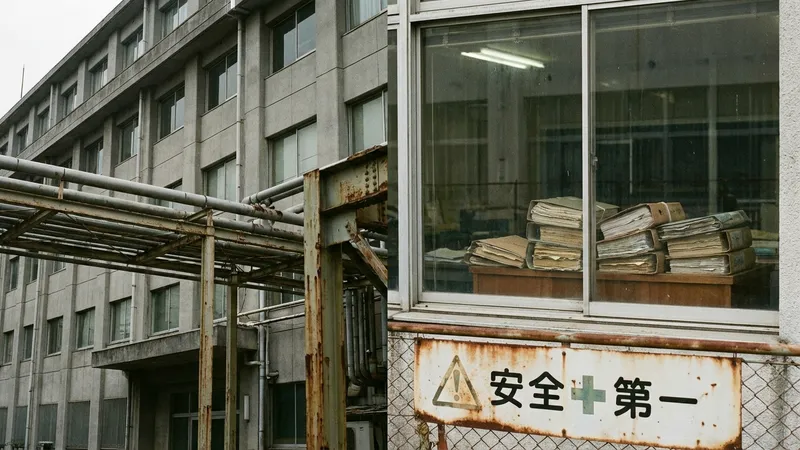
Japan completely banned asbestos in 2006, yet mesothelioma cases continue to climb nearly two decades later. The country’s experience offers critical lessons about the long-term consequences of asbestos use and the inadequacy of bans alone.
Why Cases Keep Rising
The Latency Factor
Exposure Period
When Cases Appear
1960s–1970s (peak use)
2000s–2030s
1980s
2010s–2040s
1990s–2006
2020s–2050s
With a 20–50 year latency period, people exposed during Japan’s industrial boom are only now developing mesothelioma. The ban stopped new occupational exposures but cannot prevent disease from past exposures.
Japan’s Asbestos History
Era
Asbestos Use
1930s–1960s
Growing industrial use
1970s–1990s
Peak consumption
2004
Partial restrictions begin
2006
Complete ban enacted
Japan was one of Asia’s largest asbestos consumers, using the material extensively in construction, shipbuilding, and manufacturing.
The “Kubota Shock” of 2005 revealed that asbestos exposure had killed not only factory workers but also nearby residents, demonstrating the reach of environmental contamination.
Current Challenges
Legacy Asbestos in Buildings
Issue
Scale
Buildings with asbestos
Millions across Japan
Demolition wave
Many buildings reaching end of life
Worker exposure risk
During renovation and demolition
Improper removal
Continues to occur
Japan faces a massive wave of building demolitions as structures built during the 1960s–1980s reach the end of their lifespan.
Ongoing Exposure Sources
Source
Risk
Demolition work
High if not properly managed
Renovation projects
Moderate to high
Natural disasters
Earthquake/tsunami debris
Aging materials
Deterioration releases fibers
The 2011 Tohoku earthquake and tsunami created enormous amounts of asbestos-contaminated debris, requiring careful management.
Bans Don't Stop the Epidemic
Japan’s experience demonstrates that banning asbestos does not immediately reduce cases. With a 20-50 year latency period, people exposed during Japan’s industrial boom are only now developing mesothelioma. Countries banning asbestos today should expect cases to continue rising for decades.
Japan’s per capita rate is lower than some Western countries despite heavy industrial use, possibly due to different exposure patterns or diagnostic practices.
Why are Japan's mesothelioma cases still rising after banning asbestos?▼
The 20-50 year latency period means people exposed during Japan’s peak asbestos use (1970s-1990s) are only now developing disease. The 2006 ban stopped new occupational exposures but cannot prevent disease from past exposures. Peak deaths are expected between 2030-2040.
What is the 'Kubota Shock'?▼
In 2005, revelations that 79 workers and nearby residents had died from asbestos exposure at Kubota Corporation facilities shocked Japan. The incident proved that asbestos harms extended beyond factory workers to environmental exposure, accelerating the ban and creating new compensation systems.
What compensation exists for Japanese people affected by asbestos?▼
Multiple programs exist: industrial accident insurance for occupational exposure, environmental health damage relief for non-occupational cases, the Kubota relief fund for residents near Kubota facilities, and lawsuit settlements. About 1,100+ claims are filed annually with an ~80% approval rate.
What does Japan's experience mean for the U.S.?▼
The U.S. should expect continued mesothelioma cases for 30+ years after its 2024 ban, face similar challenges with legacy asbestos in buildings, need comprehensive compensation beyond litigation, and prepare for exposure risks during the coming wave of building demolitions.
No attorney-client relationship is formed by using this site. Cases may be referred to local counsel licensed in your state. Prior results do not guarantee a similar outcome.