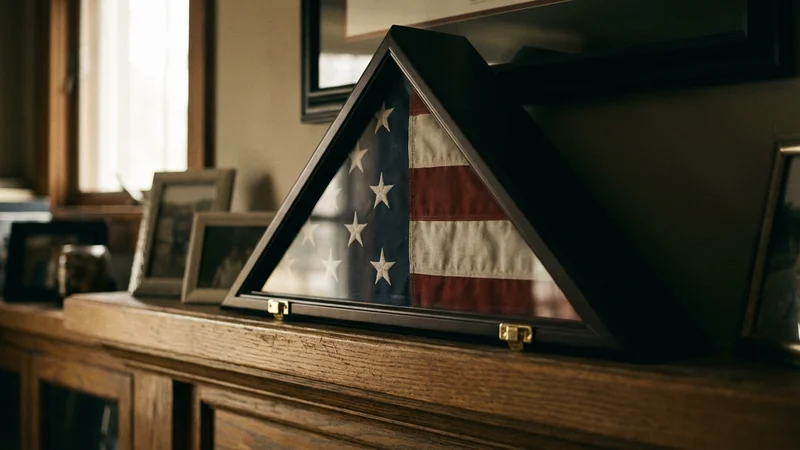
One in three people diagnosed with mesothelioma in the United States is a military veteran. That is not a coincidence. The U.S. military used asbestos extensively from the 1930s through the late 1970s in ships, aircraft, vehicles, barracks, and base infrastructure. The result is an ongoing public health crisis that disproportionately affects the people who served.
Risk by Military Branch
| Branch | % of Veteran Cases | Risk Multiplier | Risk Level | Primary Exposure |
|---|---|---|---|---|
| Navy | 33% | 8x | Highest | Shipboard: engine rooms, boiler rooms, pipe systems |
| Marines | 15% | 6x | Very High | Shared Navy vessels, base infrastructure |
| Army | 25% | 5x | High | Vehicles, barracks, base construction |
| Coast Guard | 9% | 5x | High | Vessel maintenance, shipyard work |
| Air Force | 18% | 4x | Elevated | Aircraft, hangars, base infrastructure |
Navy: The Highest-Risk Branch
Navy veterans account for one-third of all veteran mesothelioma cases. The reason is the ship itself. Naval vessels built between the 1930s and 1980s were, in a very real sense, floating asbestos structures. Over 300 components aboard these ships contained asbestos:
- Engine room insulation
- Boiler room wrapping
- Pipe lagging throughout the ship
- Sleeping quarter bulkheads
- Mess hall ceiling tiles
- Gaskets and valve packing
- Deck coverings
- Electrical wiring insulation
The confined spaces aboard ships made Navy service uniquely dangerous. Airborne fiber concentrations in engine rooms and boiler rooms could reach levels many times higher than OSHA limits. Sailors in these spaces breathed contaminated air for hours at a time, often without any respiratory protection.
Highest-Risk Navy Rates
Certain Navy specializations carried the greatest exposure:
| Rate | Exposure Level | Primary Source |
|---|---|---|
| Machinist's Mates | Very High | Engine room asbestos insulation |
| Boiler Technicians | Very High | Boiler wrapping and lagging |
| Hull Technicians | Very High | Ship repair, insulation removal |
| Pipefitters | Very High | Pipe insulation throughout the ship |
| Damage Controlmen | High | Firefighting materials, insulation |
| Electrician's Mates | High | Wiring near asbestos insulation |
| Firemen | High | Engine and boiler room maintenance |
| Enginemen | High | Diesel engine room insulation |
Ship Types
Every major class of Navy vessel used asbestos extensively:
Aircraft carriers, battleships, cruisers, destroyers, submarines, and amphibious assault ships all contained asbestos in their construction. Submarines were particularly dangerous due to the extremely confined spaces and limited ventilation.
Key Shipyards
Veterans who served at or near these facilities faced additional exposure from ship construction and repair:
- Norfolk Naval Shipyard, Virginia
- Puget Sound Naval Shipyard, Washington
- Portsmouth Naval Shipyard, Maine/New Hampshire
- Pearl Harbor Naval Shipyard, Hawaii
- Brooklyn Navy Yard, New York
- Mare Island Naval Shipyard, California
- Hunters Point Naval Shipyard, California
- Bath Iron Works, Maine
- Newport News Shipbuilding, Virginia
- Ingalls Shipbuilding, Mississippi
For a full list of shipyards with documented asbestos exposure, see our shipyard database.
Marines: Shared Navy Exposure
Marine Corps veterans face a 6x risk multiplier. Marines don’t operate their own ships. They deploy aboard Navy vessels, where they breathe the same air and live in the same asbestos-lined compartments as Navy sailors.
Beyond shipboard exposure, Marines encountered asbestos at bases and installations where older barracks, motor pools, and headquarters buildings contained asbestos in walls, ceilings, flooring, and HVAC systems. Camp Lejeune, Camp Pendleton, and other major installations have documented asbestos in their infrastructure.
Army: Vehicle and Base Exposure
Army veterans account for 25% of veteran mesothelioma cases. Exposure came from two primary sources:
Vehicles: Tanks, armored personnel carriers, and transport trucks manufactured before the 1980s used asbestos in brake systems, clutch components, and engine gaskets. Mechanics who serviced these vehicles had the highest exposure.
Base infrastructure: Army bases built during World War II and the Korean War era used asbestos in virtually every building. Barracks, mess halls, motor pools, warehouses, and administrative buildings all contained asbestos insulation, flooring, roofing, and pipe wrapping.
Air Force: Aircraft and Hangars
Air Force veterans have a 4x risk multiplier. Asbestos was used in aircraft brake systems, engine components, and heat shields. Ground crew and mechanics who worked on older aircraft had the most direct exposure. Hangars, maintenance facilities, and base buildings also contained extensive asbestos.
Coast Guard: Vessel Maintenance
Coast Guard veterans face risk levels comparable to the Army (5x). Coast Guard cutters and patrol boats used asbestos in the same way as Navy ships, though typically in smaller vessels. Personnel who performed maintenance and repair work on these vessels had the highest exposure levels.
VA Benefits for Mesothelioma
The VA rates mesothelioma at 100% disability, the highest possible rating. This qualifies veterans for the maximum monthly compensation rate.
| Status | Monthly Amount |
|---|---|
| Veteran alone (no dependents) | $3,831.30 |
| With spouse | $4,044.91 |
| With spouse and one child | $4,187.76 |
| With spouse, one child, and one parent | $4,359.20 |
| Each additional child under 18 | +$106.14 |
| Each additional child over 18 (in school) | +$342.85 |
| Aid and Attendance for spouse | +$195.92 |
Mesothelioma qualifies as a presumptive service-connected condition for veterans with documented asbestos exposure during military service. This means the VA presumes the disease is related to service, which simplifies the claims process. For more on filing a VA claim, see our VA benefits guide for mesothelioma.
Additional VA Benefits
Beyond monthly disability compensation, veterans with mesothelioma may be eligible for:
- Dependency and Indemnity Compensation (DIC): Monthly payments to surviving spouses and dependents. See our DIC benefits guide.
- Special Monthly Compensation: Additional payments for veterans who need regular aid and attendance.
- VA healthcare: Full coverage for mesothelioma treatment at VA medical centers, including access to clinical trials.
- Caregiver benefits: Support for family members providing care.
Legal Options Beyond the VA
VA benefits and legal claims are not mutually exclusive. Veterans can pursue both simultaneously. Legal options may include:
- Personal injury lawsuits against asbestos manufacturers and suppliers (not the government)
- Asbestos trust fund claims from bankrupt manufacturers
- Wrongful death claims filed by surviving family members
These claims target the companies that manufactured and supplied asbestos products to the military, not the government itself. For more information, see our guides on mesothelioma compensation and finding an attorney.
Resources for Veterans
- Navy veterans and mesothelioma
- Army veterans and mesothelioma
- Air Force veterans and mesothelioma
- Marines and mesothelioma
- Coast Guard veterans and mesothelioma
- VA benefits for mesothelioma
- Mesothelioma clinical trials
- Asbestos trust funds
- Statute of limitations by state
What percentage of mesothelioma cases are veterans?▼
Which military branch has the highest mesothelioma risk?▼
How much does the VA pay for mesothelioma?▼
Can veterans get VA benefits and file a lawsuit?▼
What Navy jobs had the most asbestos exposure?▼
References
U.S. Department of Veterans Affairs. (2024-08-15). VA Health Research: Asbestos Exposure.
https://www.research.va.gov/
U.S. Department of Veterans Affairs. (2025-01-01). VA Disability Compensation Rates 2025.
https://www.va.gov/disability/compensation-rates/
CDC. (2024-11-15). U.S. Cancer Statistics.
https://www.cdc.gov/cancer/uscs/
NIOSH. (2024-06-15). Military Asbestos Exposure.
https://www.cdc.gov/niosh/