Air Force Veterans & Mesothelioma: Risks
Air Force veterans were exposed to asbestos in aircraft, hangars, and base buildings. Learn about exposure risks and VA disability benefits.

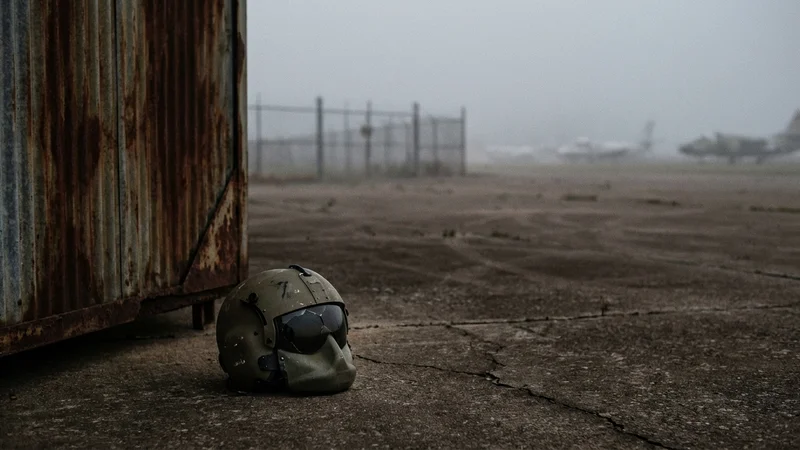
The Hidden Hazard in Aviation
From its founding in 1947 through the early 1980s, the U.S. Air Force relied on asbestos to keep aircraft fireproof and durable. The same heat resistance that made asbestos valuable for fighter jets and bombers would prove devastating for the mechanics who maintained them, and for countless other airmen exposed to the material on bases across the globe.
Air Force veterans from this era now face elevated mesothelioma risk, a consequence of exposure that occurred decades before the military acknowledged asbestos dangers.
Where Asbestos Lurked
Aircraft Components
Asbestos appeared throughout military aircraft, concentrated in areas where heat resistance was critical. Brake systems contained the highest concentrations, some aircraft brakes were 16 to 23% asbestos by weight. Every landing, every taxi, every brake application released microscopic fibers.
Beyond brakes, asbestos appeared in:
- Engine gaskets and seals
- Heat shields protecting crew compartments
- Electrical insulation and wiring
- Adhesives bonding aircraft components
- Fireproofing materials throughout fuselages
For pilots and flight crews, the exposure was relatively limited. For the mechanics who serviced these aircraft, it was constant.
Maintenance and Repair Work
Aircraft mechanics faced the highest asbestos exposure risk among Air Force personnel. The work itself created danger: grinding brake pads, replacing gaskets, servicing engines, cleaning components. Each task released fibers that mechanics inhaled in hangars and repair bays.
Ventilation in maintenance facilities was often inadequate. Asbestos fibers released during one repair job could remain suspended in the air for hours, exposing everyone in the vicinity, not just the mechanic performing the work.
Other high-risk Air Force occupations included:
- Sheet metal workers
- Welders and metalsmiths
- Electronic technicians
- Fire control specialists
- Construction crews
- Boiler operators
Base Infrastructure
Air Force bases relied on the same asbestos-containing construction materials found throughout the military. Barracks, hangars, administrative buildings, and housing all incorporated asbestos insulation, flooring, ceiling tiles, and roofing materials.
The asbestos problem on bases persists today. In 2024, a demolition project at Aviano Air Base in Italy was halted after workers discovered asbestos. In 2023, Wilford Hall Medical Center at Lackland Air Force Base required careful demolition procedures due to extensive asbestos contamination. A 2021 lawsuit by military families at Lackland alleged asbestos, mold, and lead paint in base housing.
For airmen who lived on these bases, exposure was unavoidable. Walking on vinyl asbestos floors, sleeping in insulated barracks, working in offices with asbestos ceiling tiles, the cumulative exposure over a service career could be substantial.
The Latency Gap
Mesothelioma takes 20 to 50 years to develop after exposure. An aircraft mechanic who serviced jets in Vietnam might not receive a diagnosis until the 2020s. This extended timeline means veterans often don’t connect their illness to military service, and may not realize they’re entitled to benefits.
The Air Force’s heaviest asbestos use occurred from the late 1940s through the 1970s. Veterans who served during this period remain at elevated risk, with diagnoses continuing to occur as the latency clock runs out.
2024 Developments
The VA expanded medical care eligibility in 2024 for Air Force veterans exposed to toxic substances during service. Veterans meeting basic service requirements who didn’t receive a dishonorable discharge may now qualify for care related to toxic exposures, including asbestos.
This expansion recognizes what many veterans have known for decades: military service carried invisible hazards that didn’t become apparent until years after discharge.
VA Benefits
Once service-connection is established, mesothelioma is generally rated at 100% disability under the VA Schedule for Rating Disabilities (38 CFR Part 4), the highest level available. As of 2026, a single veteran with a 100% rating receives at least $3,938.58 monthly, with higher amounts for veterans with dependents. See the current 2026 VA disability rates for the full schedule.
Service-connection itself is not automatic. Asbestos exposure is not on the VA presumptive list, and the PACT Act (Public Law 117-168) did not add asbestos as a standalone presumptive exposure category. For most Air Force veterans, the claim requires documentation of in-service asbestos exposure, a current diagnosis, and a medical opinion linking the two, under the standard service-connection framework in 38 USC §1110 and 38 CFR §3.303.
A separate PACT Act path applies to a narrower group. Under 38 USC §1119, veterans are presumed exposed to airborne hazards if they served on or after August 2, 1990, in the Southwest Asia theater (Bahrain, Iraq, Kuwait, Oman, Qatar, Saudi Arabia, Somalia, UAE), or on or after September 11, 2001, in Afghanistan, Djibouti, Egypt, Jordan, Lebanon, Syria, Uzbekistan, or Yemen. Air Force veterans who served at those bases and later develop respiratory cancer of any type, which can include pleural mesothelioma in VA practice, may qualify under the PACT Act presumption rather than the standard route. Vietnam-era Air Force veterans who served at qualifying herbicide locations (Vietnam, Thailand bases between January 9, 1962 and June 30, 1976, or Johnston Atoll between January 1, 1972 and September 30, 1977) are presumed exposed to Agent Orange under 38 USC §1116. Air Force veterans whose asbestos exposure pre-dates 1990, including most aircraft mechanics, fire control specialists, and base maintenance crews, generally fall outside the PACT Act cohorts and use the standard service-connection path.
Air Force veterans diagnosed with mesothelioma can take these steps:
- Gather service records documenting your assignments, duties, and locations
- Document exposure history: which aircraft you worked on, which bases you served at
- Obtain medical records confirming your diagnosis
- File a VA disability claim connecting your mesothelioma to service
The VA has become increasingly responsive to asbestos-related claims as the connection between military service and mesothelioma has become undeniable.
Additional Compensation
VA benefits are just one potential source of compensation. Air Force veterans can also pursue asbestos trust fund claims through trusts established by bankrupt asbestos companies, with substantial funds still available across dozens of active trusts. They can file lawsuits against the manufacturers that supplied asbestos products to the military, which remain potentially liable. Veterans whose exposure continued in civilian careers may also have workers’ compensation claims.
These options don’t affect VA benefits. Veterans can receive compensation from multiple sources simultaneously.
Once service-connection is established, mesothelioma is generally rated at 100% disability. Establishing service-connection typically requires service records, documented exposure history, and medical evidence linking the diagnosis to in-service asbestos contact. The VA has become increasingly responsive to asbestos-related claims from veterans.
Reader Q&A
Frequently Asked Questions
What Air Force jobs had the highest asbestos exposure?
Aircraft mechanics faced the highest exposure risk from servicing brakes, gaskets, and engines. Other high-risk occupations included sheet metal workers, welders, electronic technicians, fire control specialists, construction crews, and boiler operators on Air Force bases.
Can I get VA benefits for mesothelioma?
Once service-connection is established, mesothelioma is generally rated at 100%, the highest level available under VA’s Schedule for Rating Disabilities. As of 2026, a single veteran with a 100% rating receives at least $3,938.58 monthly. Service-connection itself is not automatic. Asbestos exposure is not on the VA presumptive list, so most claims require service records, a current diagnosis, and medical documentation linking the disease to in-service asbestos contact. A narrower PACT Act path under 38 USC §1119 applies only to Air Force veterans who served at qualifying burn-pit locations on or after August 2, 1990 (Southwest Asia) or September 11, 2001 (Afghanistan, Djibouti, and other listed locations). Veterans in those cohorts may qualify under the “respiratory cancer of any type” presumption. Pre-1990 Air Force exposure generally requires the standard service-connection route.
I was exposed decades ago. Am I still at risk?
Yes. Mesothelioma has a latency period of 20 to 50 years. Veterans who served during the Air Force’s heaviest asbestos use (late 1940s through 1970s) remain at elevated risk. Diagnoses continue to occur as the latency period runs its course.
Can I receive compensation beyond VA benefits?
Yes. VA benefits don’t affect other compensation sources. Air Force veterans can also pursue asbestos trust fund claims through dozens of active trusts, lawsuits against manufacturers who supplied asbestos to the military, and workers’ compensation for civilian exposure.
What is the number one cause of mesothelioma?
Asbestos exposure is the leading cause of mesothelioma. Most cases are linked to people who breathed in or swallowed asbestos fibers, often through occupational exposure in construction, shipbuilding, mining, auto repair, or military service. Evidence from major health organizations also shows that secondhand exposure from a household contact, plus rarer factors like radiation exposure or inherited gene changes, can increase risk.
How often are veterans screened for toxic exposure?
Under the PACT Act, toxic exposure screening is now built into routine VA health care for people who served. Veterans enrolled in VA health care receive an initial screening, then follow-up screenings at least once every 5 years, according to VA guidance and multiple legal and advocacy summaries. VA sources note that if someone is unsure about possible exposures, their care team may offer the screening more frequently, sometimes annually, to track any changes. New enrollees in VA health care typically receive the screening as part of their first-year care. Veterans who are not yet enrolled may qualify for a one-time screening if they meet eligibility requirements for VA enrollment.