Connecticut Mesothelioma by the Numbers
Connecticut mesothelioma: 715 deaths 1999-2017, Electric Boat in Groton, Raymark Superfund in Stratford, and the landmark Selikoff study.

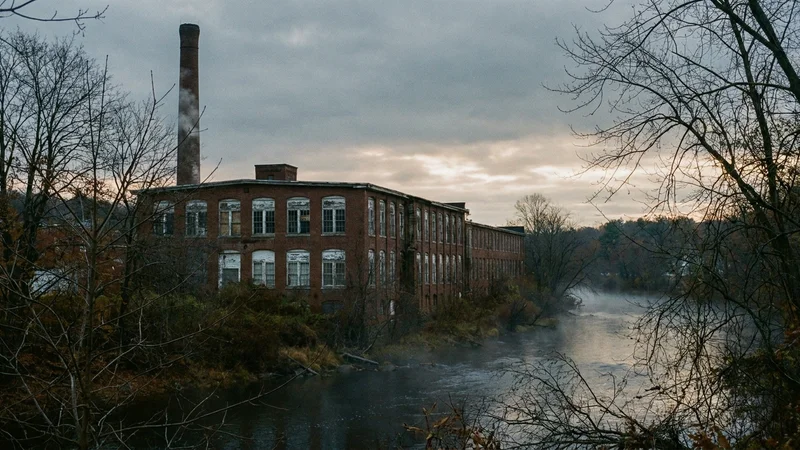
Connecticut does not show up in most national mesothelioma rankings the way Pennsylvania or Washington State do, but the state’s industrial history has produced a steady burden of disease. Between 1999 and 2017, 715 Connecticut residents died of mesothelioma and another 314 died of asbestosis, according to CDC WONDER underlying cause of death data.
The industries behind those deaths are concentrated. The submarine yards in Groton, the brake and aerospace plants in Stratford, and the aerospace and insulation trades across Hartford account for most of the documented exposure. A Johnson & Johnson talc verdict out of Bridgeport added a separate, product-driven exposure pathway that Connecticut courts are now addressing in product liability trials.
Connecticut vs National Mortality
| Metric | Connecticut | Source |
|---|---|---|
| Mesothelioma deaths (1999-2017) | 715 | CDC WONDER |
| Asbestosis deaths (1999-2017) | 314 | CDC WONDER |
| Electric Boat workers with asbestos X-ray findings (1975-76) | ~50% of 1,000 examined | Selikoff / Mount Sinai |
| Electric Boat mortality cohort studied (1984) | 1,918 production workers | Selikoff & Nicholson 1984 |
| Statute of limitations (personal injury) | 3 years from diagnosis (discovery rule) | Conn. Gen. Stat. § 52-584 |
| Statute of limitations (wrongful death) | 2 years from date of death | Conn. Gen. Stat. § 52-555 |
Connecticut’s age-adjusted rate is not published in the same format in the sources we rely on, but the raw death totals from CDC WONDER place Connecticut squarely in the middle of the industrial Northeast alongside neighboring states with similar shipbuilding and manufacturing histories. Pennsylvania, Washington, and Wisconsin are consistently among the highest-burden states nationally.
Where Exposure Happened
Electric Boat, Groton
General Dynamics Electric Boat has built submarines in Groton for more than a century and constructed a large number of submarines at the Groton plant during World War II alone. Through the Cold War, the yard produced the USS Nautilus, the Thresher class, the Seawolf class, and the current Virginia-class attack submarines. Pipe insulation, boiler lagging, gaskets, and fireproofing all contained asbestos. Below-deck work in enclosed hull sections created concentrated exposure for pipe-coverers, insulators, shipfitters, electricians, and machinists.
When Dr. Irving Selikoff and his Mount Sinai team examined roughly 1,000 Electric Boat production workers in 1975 and 1976, about half showed X-ray abnormalities consistent with asbestos exposure. A 1984 follow-up study of 1,918 production workers documented excess mortality from cardiovascular disease, respiratory disease, and lung and gastrointestinal cancers, with 356 deaths observed during the follow-up window. Mesothelioma was not broken out separately in that report, but the radiographic findings from the 1970s pointed to pervasive contamination.
Raymark Industries, Stratford
Raymark Industries, which operated as Raybestos-Manhattan, ran a brake and friction-material plant at 75 East Main Street in Stratford from 1919 until the plant closed in 1989. Raymark filed for Chapter 11 bankruptcy that same year. Waste from the plant, including asbestos, lead, copper, PCBs, and solvents, was used as “free fill” across Stratford and neighboring towns.
EPA and state remediation work has identified contamination at a minimum of 46 residential properties and more than 24 commercial, recreational, and municipal properties. Remediation has extended to inland wetlands, tidal wetlands, coastal areas, Upper Ferry Creek, and the former Raybestos Memorial Field, with soil vapor mitigation installed in affected homes and commercial buildings. By May 2024, the EPA had removed more than 100,000 cubic yards of contaminated material using $113 million from the Bipartisan Infrastructure Law.
Some reports claim “150,000 Stratford residents were exposed” at the Raymark site. That figure is not supported by the EPA record. Stratford’s 2020 census population was 52,355. The verified EPA scope is contamination across at least 70 identified properties plus wetlands, coastal areas, and public spaces.
Sikorsky Aircraft and Pratt & Whitney
Sikorsky Aircraft, also in Stratford, is a documented asbestos exposure site tied to insulation, gaskets, and brake components used in helicopter manufacturing. Published settlement summaries reflect multi-million-dollar recoveries for former electricians and plant workers with documented Sikorsky service. Pratt & Whitney’s East Hartford aerospace operations used asbestos in similar roles, though individual case records for that site are less consistently reported.
Pre-1980 Construction Trades
Insulators, pipefitters, and electricians working on pre-1980 commercial, industrial, and public buildings across Connecticut handled asbestos pipe insulation, joint compound, floor tiles, and fireproofing. These trades account for a disproportionate share of mesothelioma cases nationwide.
Who Is Most at Risk
- Submarine builders at Electric Boat in Groton, particularly pipe-coverers, insulators, and shipfitters working in enclosed hull compartments
- Brake plant workers at Raybestos-Manhattan / Raymark in Stratford between 1919 and 1989
- Helicopter and aerospace workers at Sikorsky in Stratford and Pratt & Whitney in East Hartford
- Construction tradespeople working in pre-1980 commercial, industrial, and public buildings
- Family members of workers who brought asbestos home on clothing, a pathway documented in Connecticut appellate litigation
Connecticut gives mesothelioma claimants three years from the date of diagnosis to file a personal injury claim, using the discovery rule under Conn. Gen. Stat. § 52-584. Wrongful death claims must be filed within two years of the date of death under § 52-555. The three-year personal injury window is longer than Pennsylvania’s two-year deadline but shorter than New York’s.
Legal Options for Connecticut Workers
Connecticut’s asbestos trust fund claims are particularly relevant for submarine builders, brake plant workers, and insulators. Many of the manufacturers whose products appeared at Electric Boat and Raymark established bankruptcy trusts that continue to accept claims.
Connecticut verdicts and settlements reflect the state’s industrial profile, including a major verdict against Johnson & Johnson in the Plotkin talc case and a separate substantial talc verdict against Vanderbilt Minerals in the Barone case, both out of Bridgeport Superior Court.
References
Centers for Disease Control and Prevention. CDC WONDER Mortality Database.
https://wonder.cdc.gov/
Centers for Disease Control and Prevention. CDC USCS Mesothelioma Report.
https://www.cdc.gov/united-states-cancer-statistics/publications/mesothelioma.html
Mount Sinai School of Medicine. Selikoff & Nicholson Electric Boat Groton Cohort 1984.
https://www.scribd.com/document/145900049/Selikoff-Nicholson-Electric-Boat-Groton-Connecticut-Cohort-1984
U.S. Environmental Protection Agency. EPA Completes Removal of Over 100,000 Cubic Yards at Raymark Superfund Site.
https://www.epa.gov/newsreleases/epa-completes-removal-over-100000-cubic-yards-contamination-raymark-superfund-site
Town of Stratford. Raymark Industries Inc. Superfund Site Page.
https://www.stratfordct.gov/page/raymark-industries-inc-superfund-site-raybestos
U.S. Census Bureau via Data Commons. Stratford, Connecticut Demographics.
https://datacommons.org/place/geoId/0974190
Reader Q&A
Frequently Asked Questions
How many Connecticut residents have died of mesothelioma?
CDC WONDER underlying cause of death data documents 715 mesothelioma deaths in Connecticut between 1999 and 2017, along with 314 asbestosis deaths during the same period. More recent state-specific totals through 2022 are not published in the same format.
Why is Electric Boat relevant to mesothelioma in Connecticut?
Electric Boat has built submarines in Groton for more than a century. Asbestos was used throughout submarine construction, and Dr. Irving Selikoff’s team at Mount Sinai documented X-ray abnormalities consistent with asbestos exposure in roughly half of 1,000 Electric Boat production workers examined in 1975 and 1976. A 1984 follow-up study of 1,918 workers documented excess cancer and respiratory mortality.
What is the statute of limitations for mesothelioma in Connecticut?
Connecticut gives mesothelioma claimants three years from the date of diagnosis to file a personal injury claim under Conn. Gen. Stat. § 52-584, applying the discovery rule. Wrongful death claims must be filed within two years of the date of death under § 52-555.
What happened at the Raymark plant in Stratford?
Raymark Industries, formerly Raybestos-Manhattan, operated a brake and friction-material plant in Stratford from 1919 to 1989. Waste from the plant was used as “free fill” across town, contaminating at least 46 residential properties and more than 24 commercial, recreational, and municipal properties with asbestos, lead, copper, PCBs, and other hazardous materials. The EPA has been remediating the Raymark Superfund site for more than two decades.
Is 150,000 Stratford residents exposed a real figure?
No. Stratford’s 2020 census population was 52,355. Some reports have used the 150,000 number, but it is not supported by the EPA record. The documented scope covers at least 70 identified properties plus wetlands and coastal areas within the town.
What are the odds of getting mesothelioma?
Malignant mesothelioma is rare. CDC United States Cancer Statistics reported 2,669 new cases in the United States in 2022. Even among people with heavy, prolonged asbestos exposure, only a minority develop the disease. Rates are higher in males than females and rise sharply with age. Mesothelioma remains rare overall, even among those exposed.
Is mesothelioma 100% fatal?
Mesothelioma has a very poor prognosis with a short median survival from diagnosis, but it is not universally 100% fatal. Some people with mesothelioma have survived for extended periods with multimodal treatment (surgery, chemotherapy, and radiation), and survival outcomes vary significantly based on cancer stage, histological type, and individual response to treatment. Peritoneal mesothelioma generally shows better one-year survival than pleural mesothelioma, suggesting that type and early detection can influence outcomes. While the disease remains highly aggressive and fatal in the majority of cases, advances in treatment protocols continue to improve survival rates incrementally.
Is mesothelioma one of the worst cancers?
Mesothelioma ranks among the deadliest cancers due to its very low 5-year survival rate, comparable to other highly aggressive malignancies. Pleural mesothelioma is the most common type, and survival rates drop significantly for distant-stage disease. Median life expectancy after diagnosis is typically measured in months to a little over a year, even with treatment, reflecting the disease’s aggressive nature and asbestos-related origin. Factors like stage at diagnosis and treatment access influence individual outcomes.