Overview
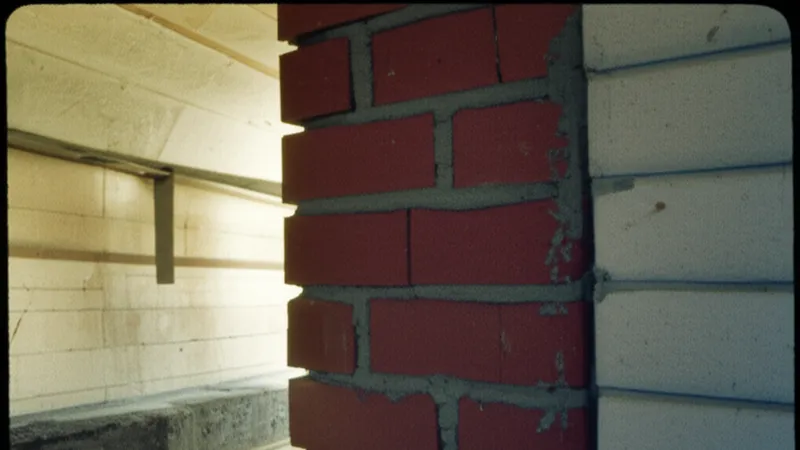
Bricklayers and masons faced asbestos exposure from refractory materials, mortar additives, and working in industrial environments with extensive asbestos insulation. Refractory bricklaying in furnaces, kilns, and boilers involved particularly high exposure to asbestos-containing materials.
Asbestos in Masonry Materials
| Material | Application | Exposure Level |
|---|---|---|
| Refractory mortar | High-heat applications | Very High |
| Refractory cement | Furnace and kiln work | Very High |
| Insulating firebrick | Industrial furnaces | High |
| Mortar additives | General masonry | Moderate |
| Block fill insulation | Wall insulation | Moderate |
How Bricklayers Were Exposed
Refractory Work
The highest exposure occurred during refractory bricklaying:
- Mixing dry refractory mortar (heavy dust generation)
- Installing brick in furnaces, kilns, and boilers
- Working inside confined industrial equipment
- Removing deteriorated refractory material
General Masonry
Standard masonry work also involved exposure:
- Using mortar with asbestos additives
- Working near other trades disturbing asbestos
- Building structures that would receive asbestos insulation
Refractory bricklayers who worked in steel mills, power plants, and industrial furnace environments faced particularly intense asbestos exposure from refractory cements and mortars.
Work Environments
Bricklayers faced exposure in:
- Steel mills: Blast furnaces, ladles
- Power plants: Boiler construction and repair
- Foundries: Metal casting furnaces
- Ceramic and glass plants: Kilns
- General construction: Building work
Related Occupations
Bricklayers worked alongside:
- Boilermakers, Boiler construction
- Furnace workers, Industrial furnaces
- Laborers, Material handling
- Hod carriers, Material supply
- Insulators, Industrial insulation
Health Consequences
Bricklayers are at elevated risk for:
- Mesothelioma: Cancer of the chest or abdominal lining
- Asbestosis: Progressive lung scarring
- Lung cancer: Especially combined with smoking
- Pleural disease: Thickening of lung lining
Legal Options
Bricklayers diagnosed with mesothelioma may pursue:
Asbestos Trust Funds
Refractory material manufacturers have established trusts for compensation.
Additional Claims
- Product liability lawsuits: Against refractory manufacturers
- Premises liability: Against facility owners
- VA benefits: For military service exposure
- Workers’ compensation: Through employer coverage