Overview
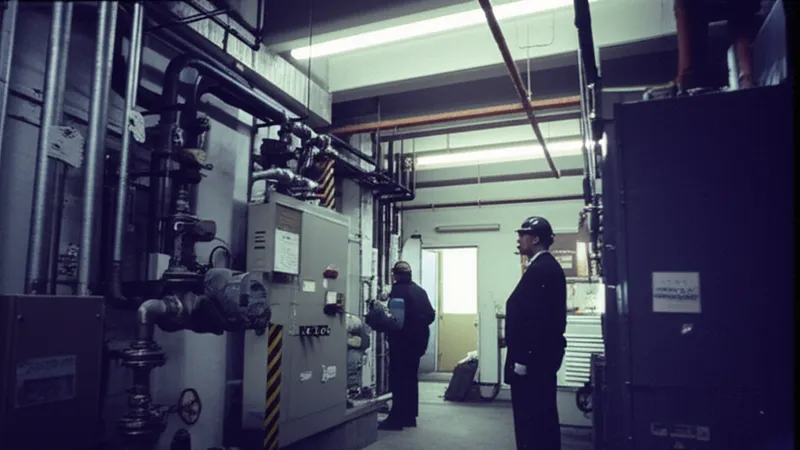
Building inspectors, code enforcement officials who inspect buildings for compliance with regulations, faced asbestos exposure while examining older buildings with asbestos-containing materials. Accessing mechanical spaces, crawling through attics, and disturbing building materials during inspections created exposure to asbestos fibers.
Building inspectors today continue to face asbestos exposure when inspecting pre-1980 buildings. Awareness and protective measures are essential.
How Building Inspectors Were Exposed
Types of Inspections
Mechanical inspections:
- Examining boiler rooms with asbestos pipe insulation
- Inspecting HVAC systems with asbestos ductwork
- Checking electrical systems with asbestos components
Structural inspections:
- Accessing attics with asbestos insulation
- Examining crawl spaces with asbestos materials
- Inspecting walls and ceilings for damage
Renovation/demolition inspections:
- Reviewing asbestos surveys
- Monitoring abatement work
- Inspecting demolition sites
Even brief inspections can disturb asbestos materials. Moving insulation, touching ceiling tiles, or accessing confined spaces releases fibers.
Buildings with Asbestos
Building inspectors encountered asbestos in:
- Residential: Homes built before 1980
- Commercial: Office buildings, retail
- Institutional: Schools, hospitals, government
- Industrial: Factories, warehouses
Common Asbestos Locations
- Mechanical rooms (pipe and boiler insulation)
- Attics (loose-fill insulation)
- Ceilings (tiles and spray-on fireproofing)
- Floors (vinyl asbestos tiles)
- Walls (textured coatings, drywall compound)
Related Occupations
Building inspectors work alongside:
- Maintenance workers, Building systems
- Electricians, Electrical inspections
- Plumbers, Plumbing inspections
- Demolition workers, Demolition oversight
Health Consequences
Building inspectors are at risk for:
- Mesothelioma: Cancer of the chest or abdominal lining
- Asbestosis: Progressive lung scarring
- Lung cancer: Especially combined with smoking
- Pleural disease: Thickening of lung lining
Legal Options
Building inspectors diagnosed with mesothelioma may pursue:
Asbestos Trust Funds
Building material manufacturers have established trusts.
Additional Claims
- Product liability lawsuits: Against material manufacturers
- Employer liability: For failing to provide protection
- Premises liability: Against building owners
- Workers’ compensation: Through employer coverage