Overview
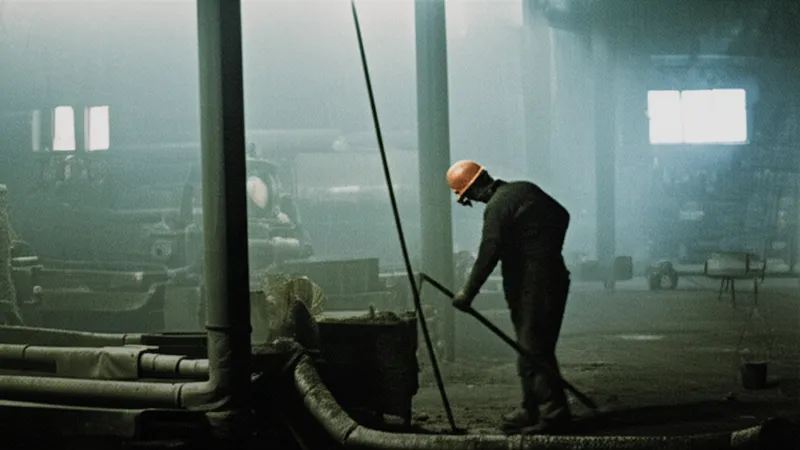
Workers at vermiculite exfoliation plants processing ore from Libby, Montana faced extreme asbestos exposure, among the highest ever documented in any occupation. The Libby vermiculite deposit was heavily contaminated with tremolite asbestos, and over 200 processing plants across the United States received this contaminated material.
The Libby vermiculite disaster is considered one of the worst environmental health catastrophes in U.S. history. Thousands of workers, family members, and community residents have developed asbestos-related diseases from this single source.
The Libby Vermiculite Story
The Mine
The vermiculite mine near Libby, Montana operated from 1923 to 1990, producing about 70% of all vermiculite sold in the United States. The ore was heavily contaminated with tremolite asbestos, a particularly dangerous form of the mineral.
Processing Plants
Raw vermiculite was shipped to over 200 exfoliation plants across the country, where it was heated to expand the mineral for use in:
- Insulation products (Zonolite)
- Potting soils
- Fireproofing
- Construction aggregates
Asbestos Exposure at Exfoliation Plants
| Task | Description | Exposure Level |
|---|---|---|
| Ore handling | Unloading and moving raw vermiculite | Extreme |
| Exfoliation | Heating process to expand vermiculite | Extreme |
| Bagging | Packaging finished product | Very High |
| Maintenance | Equipment repair and cleaning | Very High |
| General facility | Working anywhere in plant | High |
How Workers Were Exposed
No Protection
Workers received no respiratory protection for most of the mine’s operation:
- W.R. Grace and predecessor companies knew of the contamination
- Workers were not warned of the danger
- Families were exposed from contaminated work clothing
- Communities were exposed from plant emissions
Documents revealed that W.R. Grace knew about the asbestos contamination for decades but concealed this information from workers, regulators, and the public.
Major Exfoliation Plant Locations
Workers at plants in these areas faced exposure:
- Libby, Montana: Ground zero
- Minneapolis, Minnesota
- Phoenix, Arizona
- Newark, New Jersey
- Numerous other locations: Over 200 plants nationwide
Products Containing Libby Vermiculite
- Zonolite attic insulation: Millions of homes affected
- Monokote fireproofing
- Potting soils: Consumer garden products
- Pool additives
- Industrial fireproofing
Health Consequences
Libby vermiculite workers face extremely elevated risk for:
- Mesothelioma: Cancer of the chest or abdominal lining
- Asbestosis: Severe progressive lung scarring
- Lung cancer: Dramatically elevated risk
- Pleural disease: Thickening and scarring of lung lining
The tremolite asbestos from Libby is particularly potent, causing disease even from lower exposure levels than other asbestos types.
Legal Options
Libby vermiculite workers have strong legal claims:
W.R. Grace Bankruptcy Trust
W.R. Grace established a major trust fund as part of its bankruptcy:
- Specifically for Libby-related claims
- Billions of dollars available
- Streamlined claims process
Additional Claims
- Product liability lawsuits: Against other responsible companies
- Premises liability: Against plant owners
- VA benefits: If exposed during military service
- Workers’ compensation: Through employer coverage
Libby vermiculite exposure claims receive special attention due to the documented severity of exposure and W.R. Grace’s concealment of the hazard.