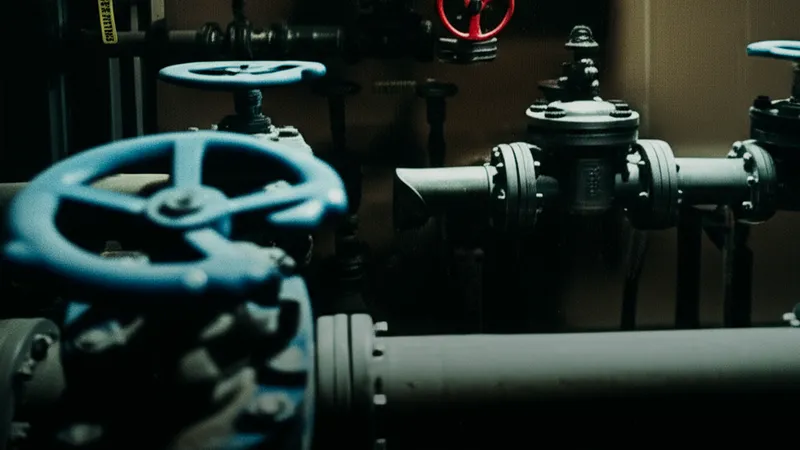
Plumbers and pipefitters consistently rank among the occupations with the highest mesothelioma risk. Decades of working with asbestos-containing pipe insulation, gaskets, and other materials have left many tradespeople facing serious health consequences.
Why Plumbers Face High Risk
Asbestos Was Everywhere in Plumbing
| Material | Asbestos Content | Common Use |
|---|---|---|
| Pipe insulation | Up to 50% | Thermal protection |
| Pipe joint compound | 10–20% | Sealing threaded joints |
| Gaskets | Up to 80% | Flange connections |
| Cement pipe | 15–20% | Water/sewer lines |
| Valve packing | Variable | Sealing valve stems |
| Boiler insulation | Up to 50% | Heat containment |
Asbestos was used extensively in plumbing applications because of its heat resistance, durability, and low cost.
High-Exposure Activities
| Task | Exposure Level | Reason |
|---|---|---|
| Cutting pipe insulation | Very high | Releases fibers directly |
| Removing old gaskets | Very high | Disturbs deteriorated material |
| Mixing joint compound | High | Creates airborne dust |
| Scraping valve packing | High | Direct contact with fibers |
| Working in confined spaces | Very high | Concentrated fiber levels |
| Repairing old boilers | Very high | Multiple asbestos sources |
The Confined Space Problem
Plumbers often work in:
- Basements with limited ventilation
- Crawl spaces under buildings
- Boiler rooms
- Pipe chases and utility tunnels
- Ship engine rooms
These confined spaces concentrate asbestos fibers, increasing exposure significantly.
Historical Exposure Timeline
By Decade
| Era | Situation |
|---|---|
| 1940s–1950s | Widespread asbestos use; no warnings |
| 1960s–1970s | Peak asbestos use; minimal protection |
| 1980s | Regulations begin; awareness grows |
| 1990s–present | New asbestos restricted; legacy exposure continues |
What Plumbers Didn’t Know
For decades, plumbers:
- Were never warned about asbestos dangers
- Received no protective equipment
- Worked without respiratory protection
- Brought contaminated clothes home
- Had no medical monitoring
Types of Plumbing Work with Exposure
Commercial/Industrial Plumbing
| Setting | Exposure Sources |
|---|---|
| Power plants | Massive amounts of pipe insulation |
| Refineries | High-temperature piping systems |
| Factories | Process piping, steam systems |
| Large buildings | HVAC piping, heating systems |
| Ships | Engine room piping, insulation |
Residential Plumbing
| Source | Risk |
|---|---|
| Older furnace/boiler systems | Asbestos insulation, gaskets |
| Hot water heaters | Insulation materials |
| Pipe insulation | In walls, basements |
| Joint compound | Threaded connections |
| Transite pipe | Asbestos-cement water lines |
Even residential work could involve significant asbestos exposure, especially in homes built before 1980.
Record employers, dates, job sites, types of work performed, and products used. Note any safety equipment provided and identify coworkers who can corroborate exposure. This documentation is essential for medical care and any future legal claims.
Current Risks
Legacy Asbestos
| Situation | Risk Level |
|---|---|
| Renovation of pre-1980 buildings | High |
| Emergency repairs | High (no time for testing) |
| Working on old systems | Moderate to high |
| New construction | Low (but possible) |
Plumbers working on existing buildings continue to encounter asbestos materials.
Protection Requirements
Modern regulations require:
| Protection | When Required |
|---|---|
| Asbestos survey | Before disturbing suspect materials |
| Proper PPE | When asbestos may be present |
| Licensed removal | For significant quantities |
| Air monitoring | During abatement work |
| Medical surveillance | For regularly exposed workers |
If You’re a Plumber or Pipefitter
Document Your History
Record your exposure information:
| Information | Purpose |
|---|---|
| Employers and dates | Establishes work history |
| Job sites | Identifies exposure locations |
| Types of work | Quantifies exposure |
| Products used | Identifies manufacturers |
| Safety equipment provided | Shows employer negligence |
| Witnesses | Can corroborate exposure |
Medical Monitoring
| Action | Recommendation |
|---|---|
| Tell your doctor | Include occupation in history |
| Regular checkups | Annual physical exams |
| Lung function tests | Baseline and monitoring |
| Chest imaging | If symptomatic |
| Don’t smoke | Dramatically increases risk |
Warning Signs
Seek medical attention for:
| Symptom | Significance |
|---|---|
| Persistent cough | May indicate lung changes |
| Shortness of breath | Could be early disease sign |
| Chest pain | Needs evaluation |
| Difficulty breathing during exertion | Possible lung impairment |
Union Resources
UA (United Association of Plumbers and Pipefitters)
| Resource | Services |
|---|---|
| Health and safety training | Asbestos awareness |
| Medical benefits | Coverage for members |
| Legal resources | Information on rights |
| Advocacy | Workplace safety improvements |
SMART (Sheet Metal Workers)
Many pipefitters and related trades belong to SMART, which provides similar resources.
Legal Rights
Potential Claims
| Claim Type | Against |
|---|---|
| Product liability | Asbestos product manufacturers |
| Premises liability | Building owners |
| Employer negligence | Some circumstances |
| Trust fund claims | Bankrupt manufacturers |
Evidence Needed
| Documentation | Purpose |
|---|---|
| Work history | Proves exposure |
| Product identification | Links to manufacturers |
| Medical records | Documents diagnosis |
| Witness statements | Corroborates exposure |
| Union records | Verifies employment |
Statute of Limitations
Time limits to file claims vary by state and typically begin at diagnosis, not exposure. Consult an attorney promptly if diagnosed.
Protecting Current Workers
Best Practices
| Practice | Benefit |
|---|---|
| Assume presence in old buildings | Until tested |
| Don’t disturb suspect materials | Prevents fiber release |
| Use wet methods | Keeps fibers down |
| Proper respiratory protection | P100 or better |
| Decontamination procedures | Prevents take-home exposure |
| Report unsafe conditions | Protects everyone |
Employer Responsibilities
| Requirement | Source |
|---|---|
| Hazard assessment | OSHA |
| Training | OSHA |
| Personal protective equipment | OSHA |
| Exposure monitoring | OSHA |
| Medical surveillance | OSHA |
| Record keeping | OSHA |
Related Occupations
Similar exposure risks affect:
| Occupation | Exposure Source |
|---|---|
| Steamfitters | High-pressure steam systems |
| HVAC technicians | Duct insulation, boilers |
| Boilermakers | Boiler insulation and gaskets |
| Maintenance workers | Building systems repair |
| Construction workers | Multiple sources |
Related Articles
- High-Risk Occupations for Asbestos
- Construction Workers and Asbestos
- Asbestos Trust Funds
- Mesothelioma Latency Period
- Asbestos Exposure Guide
Why are plumbers at high risk for mesothelioma?▼
Plumbers and pipefitters have 3-5x higher mesothelioma risk due to decades of working with asbestos-containing pipe insulation (up to 50% asbestos), gaskets (up to 80%), joint compounds, and valve packing. Work often occurred in confined spaces where fibers concentrated.
When was exposure highest?▼
Peak exposure occurred from the 1940s-1980s when asbestos was widely used and no warnings or protection were provided. Plumbers were never warned, received no PPE, worked without respiratory protection, and brought contaminated clothes home.
Are plumbers still at risk today?▼
Yes. Legacy asbestos remains in buildings constructed before 1980. Renovation, emergency repairs, and work on old systems continue to expose plumbers. Modern regulations require surveys, PPE, and licensed removal for significant quantities.
What should plumbers do to protect themselves?▼
Document work history for medical and legal purposes. Get regular checkups and tell your doctor about occupational exposure. Don’t smoke (dramatically increases risk). Assume asbestos presence in old buildings until tested. Use wet methods, proper respiratory protection, and decontamination procedures.