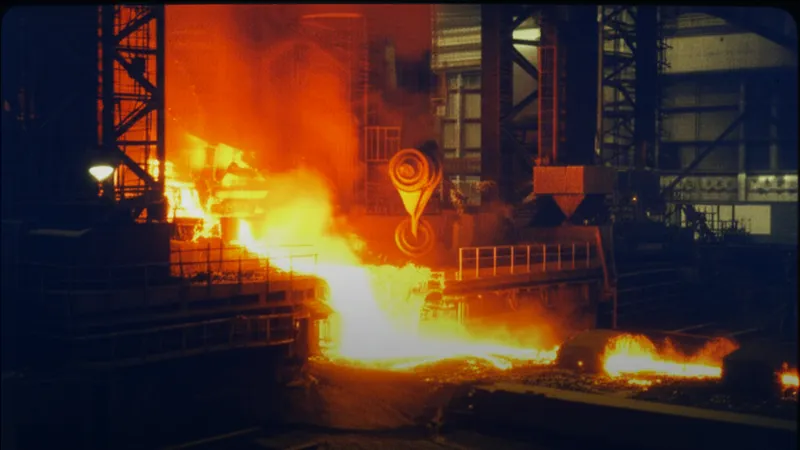
Steel mills operated at extreme temperatures that required extensive use of asbestos for worker protection and equipment insulation. Studies of steelworkers have documented mesothelioma rates 2-4 times higher than the general population, with certain job classifications showing even greater risk elevation.
The American steel industry employed over 500,000 workers at its peak in the 1970s. While employment has declined substantially, many former steelworkers remain at risk for mesothelioma from exposures that occurred decades ago. Current workers at older facilities may still encounter legacy asbestos materials.
Why Steel Mills Used Asbestos
Steel production involves temperatures exceeding 2,800°F in blast furnaces and 3,000°F in electric arc furnaces. These extreme conditions created multiple applications for asbestos:
Furnace linings and insulation: Blast furnaces, basic oxygen furnaces, and electric arc furnaces used asbestos-containing refractory materials and insulation blankets to contain extreme heat.
Hot metal handling: Equipment used to transport molten steel, including ladles, tundishes, and torpedo cars, was insulated and lined with asbestos materials.
Personal protective equipment: Workers in high-heat areas wore asbestos suits, gloves, aprons, and leggings for protection against radiant heat and splashing metal.
Building insulation: Mill buildings contained asbestos insulation in roofing, walls, and around auxiliary equipment. Steam and hot water systems were insulated with asbestos pipe covering.
Gaskets and packing: High-temperature flanges, valves, and pumps throughout the mill used asbestos gaskets and packing materials.
A typical integrated steel mill built before 1980 contained asbestos throughout multiple production areas and auxiliary facilities.
Research on Steelworker Mesothelioma
Multiple epidemiological studies have documented elevated mesothelioma risk:
Lloyd et al. (1971): An early study of U.S. steelworkers found respiratory cancer mortality significantly elevated among coke oven workers and furnace operators.
Egan-Baum et al. (1981): Research on steelworkers found standardized mortality ratio of 2.8 for mesothelioma among maintenance workers with documented asbestos exposure.
Finkelstein et al. (1991): Canadian study documented mesothelioma cases among steelworkers with cumulative exposure exceeding 10 fiber-years, primarily from maintenance and repair activities.
Pira et al. (2016): Italian cohort study of 10,000 steelworkers found proportional mortality ratio of 3.2 for pleural mesothelioma compared to regional population.
Hobbs et al. (2020): Updated analysis confirmed continued elevated mesothelioma mortality among U.S. steelworkers, with risk persisting decades after initial exposure.
High-Risk Jobs in Steel Mills
Bricklayers and masons: Workers who installed and repaired furnace linings handled asbestos-containing refractory materials directly. Fiber concentrations during lining work often exceeded 5-10 fibers/cc, 50-100 times current limits.
Furnace operators: Workers monitoring and operating blast furnaces, BOF, and electric arc furnaces worked in proximity to asbestos-insulated equipment and wore asbestos protective gear.
Maintenance mechanics: General maintenance workers repaired equipment throughout the mill, encountering asbestos insulation, gaskets, and building materials during routine work.
Insulators: Workers who applied and removed insulation from equipment and piping faced direct asbestos exposure comparable to industrial insulators in other settings.
Millwrights: Workers who installed and repaired machinery throughout the mill encountered asbestos gaskets, packing, and surrounding insulation.
Laborers: General laborers who cleaned production areas, assisted skilled trades, and worked throughout the mill accumulated exposure from multiple sources.
Coke oven workers: Workers at coke batteries faced exposure from asbestos insulation on ovens and associated equipment, in addition to other hazards.
Exposure Sources by Mill Area
Blast furnace area: Massive amounts of asbestos insulation on the furnace itself, stoves, and associated equipment. Hot metal handling areas used asbestos-lined ladles and protective materials.
Steelmaking (BOF/EAF): Furnace linings, ladle insulation, and heat protection for workers. Asbestos was integral to managing the extreme temperatures of steel conversion.
Rolling mills: Lower temperature operations but still used asbestos insulation on reheating furnaces and heat-treating equipment. Maintenance activities involved asbestos gaskets and building materials.
Coke plant: Coke oven batteries required extensive insulation. Workers faced both asbestos exposure and exposure to coke oven emissions.
Utilities and powerhouse: Steam systems, boilers, and power generation equipment were insulated with asbestos materials similar to standalone power plants.
Personal Protective Equipment Exposure
A unique aspect of steel mill exposure involved asbestos protective clothing:
Proximity suits: Workers approaching molten metal wore full-body suits made from aluminized asbestos cloth. Donning and doffing these suits released fibers.
Gloves and arm protection: Asbestos gloves and sleeves protected workers from radiant heat. Wear and handling generated fiber release.
Aprons and leggings: Workers in splash zones wore asbestos aprons and leg protection. These items shed fibers with use and age.
Face shields: Some heat-resistant face shields incorporated asbestos materials.
Studies have found that handling and wearing asbestos protective clothing generated measurable fiber concentrations in worker breathing zones. The daily use of this equipment over years of employment contributed significantly to cumulative exposure.
Steel mill workers faced asbestos from furnace linings, hot metal handling equipment, personal protective gear (suits, gloves, aprons), building insulation, gaskets, and packing materials. Bricklayers working on furnace linings experienced fiber concentrations 50-100 times current limits.
Historical Context
1900-1940: Asbestos use grows in expanding American steel industry. No recognition of health hazards. Workers receive no protection or warnings.
1940-1970: Peak steel production and asbestos use. Integrated mills employ hundreds of thousands of workers. Industry operates around the clock with minimal safety measures.
1970-1990: Steel industry contraction as foreign competition grows. OSHA regulations begin requiring asbestos management. Many older mills close, but legacy materials remain in operating facilities.
1990-present: Continued contraction of U.S. steel production. Remaining mills implement asbestos management programs. Decommissioning of closed mills requires asbestos removal. Former workers continue developing mesothelioma.
Ongoing Risks
While new asbestos use has largely ended, exposure potential remains:
Operating mills: Older integrated mills still operating may contain legacy asbestos. Maintenance and repair activities can disturb these materials.
Demolition and remediation: Closed mills undergoing demolition contain extensive asbestos requiring removal. Workers on remediation projects face concentrated exposure.
Environmental contamination: Steel mill sites often have soil and water contamination requiring cleanup. Surrounding communities may have experienced historical environmental exposure.
Steel Industry Regions
Steel mill exposure concentrated in certain geographic areas:
Pittsburgh region (PA): Historic center of American steel. Multiple large mills operated throughout the region.
Youngstown-Warren (OH): Major steel producing region with numerous mills and associated facilities.
Gary-Hammond (IN): Large integrated mills served the Chicago area and Midwest markets.
Birmingham (AL): Southern steel production center with multiple facilities.
Baltimore (MD): Bethlehem Steel’s Sparrows Point mill was among the largest in the world.
Workers in these regions faced both occupational and potential environmental exposure from decades of steel production.
Documenting Steel Mill Exposure
Steelworkers should maintain records of:
- Mills worked at and dates of employment
- Job classifications and specific duties
- Areas of mill worked in (blast furnace, steelmaking, rolling, etc.)
- Protective equipment worn
- Specific asbestos products or materials encountered
- Maintenance activities performed
Union records (United Steelworkers), company employment records, and Social Security earnings statements can help document work history.
Legal and Compensation Options
Steelworkers diagnosed with mesothelioma may pursue:
Product liability: Manufacturers of asbestos products used in steel mills may be liable. This includes insulation manufacturers, refractory suppliers, and protective clothing makers.
Asbestos trust funds: Multiple trusts may apply to steel mill exposure, including Johns Manville, Owens Corning, and numerous gasket and packing manufacturers.
Employer liability: Some steel companies remain in operation or have successor entities that may bear responsibility for worker exposure.
Workers’ compensation: Occupational disease claims may be available depending on state law and statute of limitations considerations.
Related Articles
- High-Risk Occupations for Asbestos
- Boilermakers and Asbestos
- Power Plant Workers
- Asbestos Trust Funds
- Mesothelioma Legal Options
Why are steel mill workers at high risk for mesothelioma?▼
Steel mills required extensive asbestos due to extreme temperatures (2,800-3,000°F). Asbestos was in furnace linings, hot metal handling equipment, personal protective suits, and building insulation. Studies show 2-4x higher mesothelioma rates among steelworkers.
Which steel mill jobs had highest exposure?▼
Bricklayers and masons handling furnace linings faced fiber concentrations 50-100 times current limits. Furnace operators wearing asbestos protective suits, maintenance mechanics, insulators, and laborers throughout the mill also had high exposure.
Are steel mill workers still at risk?▼
Yes. Older integrated mills contain legacy asbestos. Demolition and remediation of closed mills create concentrated exposure. Environmental contamination at steel mill sites may also affect surrounding communities. Former workers exposed decades ago continue developing mesothelioma.
What compensation options exist?▼
Product liability claims against asbestos insulation and protective clothing manufacturers, asbestos trust funds (Johns Manville, Owens Corning, gasket manufacturers), employer liability where successor entities exist, and workers’ compensation for occupational disease.