Millwrights and Asbestos: Machinery Risks
Millwrights faced asbestos exposure from industrial machinery insulation, gaskets, and packing materials. Learn about exposure sources and legal options.

Overview
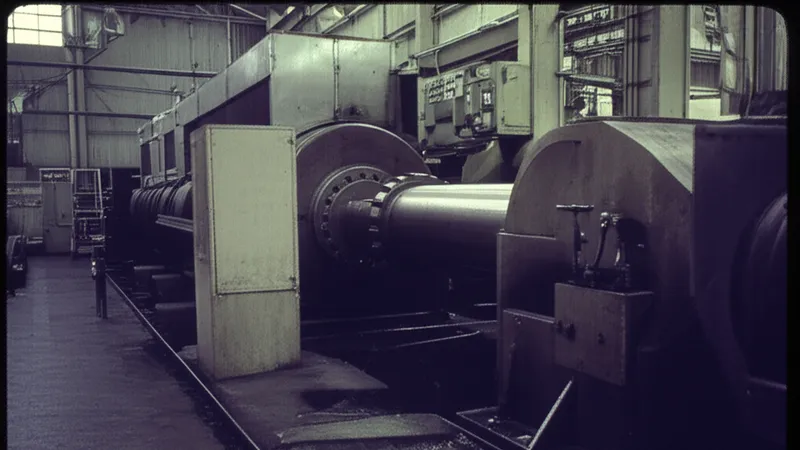
Millwrights, skilled workers who install, maintain, and repair industrial machinery, faced significant asbestos exposure from equipment insulation, gaskets, packing materials, and brake systems. Working in factories, power plants, and industrial facilities, millwrights encountered asbestos throughout their work environment.
Asbestos in Industrial Machinery
| Component | Application | Exposure Level |
|---|---|---|
| Equipment insulation | Heat containment | High |
| Gaskets | Equipment sealing | High |
| Packing materials | Shaft seals | High |
| Brake systems | Equipment brakes | Moderate |
| Clutch components | Power transmission | Moderate |
How Millwrights Were Exposed
Machinery Installation
Millwrights installed equipment with asbestos components:
- Positioning machinery with insulated housings
- Connecting equipment to insulated piping
- Installing heat shields and barriers
- Setting up equipment in asbestos-filled facilities
Maintenance and Repair
Regular maintenance involved asbestos exposure:
- Removing and replacing gaskets
- Repacking pump and valve stems
- Servicing brake and clutch systems
- Accessing equipment through insulated enclosures
Millwrights frequently replaced gaskets on industrial equipment. Scraping old gaskets and cutting new ones from asbestos sheet material released significant fibers.
Work Environments
Millwrights installed and maintained heavy equipment inside power plants around turbines and generators, steel mills servicing rolling mills and furnaces in Pennsylvania and Indiana, paper mills in Wisconsin and Maine, oil refineries handling pumps and compressors along the Texas and Louisiana Gulf Coast, and manufacturing plants.
Between 1940 and 1980, the heaviest exposures came from cutting gasket sheet and rewrapping steam lines.
Related Occupations
Millwrights worked alongside:
- Pipefitters, Pipe systems
- Electricians, Equipment wiring
- Maintenance workers, Facility maintenance
- Operating engineers, Equipment operation
- Welders, Equipment repair
Health Consequences
Millwrights face elevated risk of mesothelioma, a cancer of the chest or abdominal lining; asbestosis, a progressive scarring of the lungs; lung cancer, with risk multiplied among smokers; and pleural disease that thickens the lining around the lungs.
What Federal Agencies Confirm
The National Cancer Institute lists vehicle brake shoes and clutch pads among the commercial uses of asbestos, and OSHA counts the manufacture of friction products and brake and clutch repair among the exposure sources it regulates.
OSHA addresses asbestos in general industry through a dedicated standard that requires employers to monitor personal exposure and provide hazard-awareness training wherever the material might be disturbed.
The agency states that no level of asbestos exposure is safe for any fiber type, that exposures as short as a few days have caused mesothelioma, and that every occupational exposure contributes to the risk of asbestos-related disease.
For a trade built on gasket and packing work, that’s the whole story in one line: there was never a safe amount.
Legal Options
Millwrights diagnosed with mesothelioma typically pursue several tracks in parallel. Manufacturers of industrial gaskets and equipment, including Garlock, Johns Manville, and Owens Corning, established asbestos trust funds through bankruptcy reorganization.
Trust claims often run alongside product-liability suits against solvent gasket and equipment manufacturers, premises-liability claims against facility owners, VA benefits for military service exposure, and workers’ compensation through a former employer.
References
National Cancer Institute. Asbestos Exposure and Cancer Risk.
https://www.cancer.gov/about-cancer/causes-prevention/risk/substances/asbestos/asbestos-fact-sheet
Occupational Safety and Health Administration. Asbestos: Overview, Health Effects, and Standards.
https://www.osha.gov/asbestos