Texas Ranks 5th in Mesothelioma Cases, Not in Rate
Texas ranks top-five for mesothelioma cases, but that is a population artifact. Per person, Texas sits near the national rate, below states like Wisconsin.

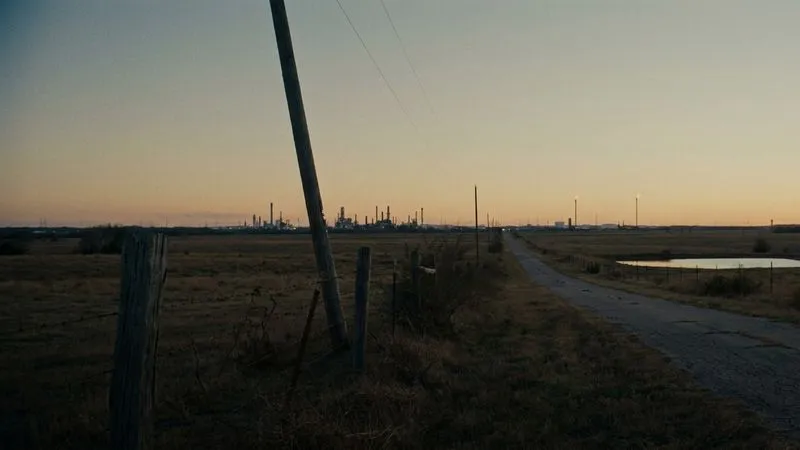
Texas has the fifth-most mesothelioma cases of any state, roughly 4,467 diagnoses since 1999. But per person, Texas sits near the national rate, below states like Wisconsin and Rhode Island. The “top five” headline counts people, not risk.
The “top five state” label misleads for a simple reason. A raw case count measures how many people live in a state, not how likely any one of them is to get sick.
Switch to the per-person rate, the measure epidemiologists reach for precisely because it strips out population size, and Texas drops toward the middle of the pack. The count counts people. It does not measure per-person risk.
The Count Is Real. The Rate Is the Tell.
Two states can have the same number of mesothelioma cases and wildly different risk, because one has ten times the population. The rate is what separates them.
Texas is the second most populous state in the country. With nearly 30 million residents, it accumulates a large number of almost any disease, mesothelioma included. That is why it lands near the top of every raw-count list.
Divide those cases by population and the picture changes. The states with the highest per-person mesothelioma rates are not the biggest. They are the ones with the heaviest legacy asbestos exposure relative to their size.
Texas records about 0.7 per 100,000, just above the national rate of roughly 0.6, while states such as Wisconsin (about 1.2), Rhode Island, and Louisiana (around 1.0) post higher per-person rates despite ranking nowhere near the top by count.
This is not a reason for Texans to relax. It is a reason to read the number correctly.
A statewide rate spread across 30 million people tells an individual very little about their own exposure history, which is what actually determines risk. The danger is real. The state ranking is just the wrong lens for it.
The Per-Capita Peak Is Already Behind Us
The number of mesothelioma deaths each year has barely moved. The rate has fallen sharply. Both can be true, and together they say the asbestos wave has crested per person.
CDC surveillance data shows US mesothelioma deaths rose 4.8% from 1999 to 2015, from 2,479 to 2,597 a year, for a total of 45,221 deaths over the period. Across the same years, the age-adjusted death rate fell 21.7%, from 13.96 to 10.93 per million.
The count holds up because the population is larger and older, and mesothelioma is a disease of long latency, typically 20 to 50 years from first exposure to diagnosis per the Agency for Toxic Substances and Disease Registry.
The people being diagnosed now were exposed in the 1960s, 1970s, and 1980s. The falling rate is the real signal: per person, fewer Americans are developing the disease.
That trend does not mean the exposure era is fully closed. CDC counted 2,618 mesothelioma deaths in people under age 55 from 1999 to 2015, including 138 in people aged 25 to 34. Given the decades-long latency, deaths that young point to relatively recent exposure.
The continuing occurrence of mesothelioma deaths among persons aged under 55 years suggests ongoing occupational and environmental exposures to asbestos fibers and other causative elongate mineral particles, despite regulatory actions.
A Disease Quietly Moving Into the Home
The classic person with mesothelioma is a retired tradesman: a pipefitter, an insulator, a shipyard welder. For a growing share of cases, especially among women, that picture is out of date.
Mesothelioma remains predominantly male, 75.4% of US cases from 2003 to 2022, because the heaviest historical exposure was in male-dominated trades. But the female side of the disease has shifted toward non-industrial settings.
Of 614 US female mesothelioma deaths in 2020, the largest occupational category was homemakers, at 129. Health care and social assistance accounted for 89, education for 64, and manufacturing for only 50.
Put the home, care, and education groups together and they are 282 of 614 female deaths, or 45.9%. Classic manufacturing was under 9%. CDC estimates that only about 23% of female mesothelioma is attributable to work-related exposure, meaning most female cases trace to non-occupational pathways.
The anatomy of the disease points the same way. Mesothelioma is far more often peritoneal, meaning it starts in the abdominal lining rather than the lung lining, in women than in men: 20.5% of female cases versus 8.1% of male cases, a 2.5 times difference.
Peritoneal predominance is a recognized marker of secondary and household exposure, the kind that comes from washing a worker’s contaminated clothing rather than wearing it.
For Texas, where the headline exposure story has always been the refinery and the shipyard, this is the part of the curve that is still moving. As the occupational cohort ages out, the cases that remain skew toward secondary exposure: the spouse, the child, the household downstream of the worker.
Methodology, and What the Numbers Leave Out
This investigation reads the same federal data that produces the “top-five state” headline, and reports what that data shows once it is divided by population.
The state comparison uses CDC US Cancer Statistics per-100,000 incidence figures for 2022. One honest limitation: current CDC mesothelioma incidence data suppresses small-count counties to protect privacy, so most Texas counties cannot be ranked on current incidence. This investigation reports the state-level rate, not a county ranking.
What the numbers do not capture is the individual exposure history, which is what actually matters to a person or family researching a diagnosis. A statewide rate and a national trend are context. The case is built from the specific workplace, the specific years, and the specific products.
What This Means for Texans
The state-level number that gets quoted, top-five for cases, is the least useful one for an individual. The per-person rate and the individual exposure history are where the real signal lives.
If you or a family member worked in the Texas refinery, petrochemical, shipyard, or insulation trades, the relevant fact is not where Texas ranks nationally. It is that the latency clock on exposures from the 1960s through the 1980s is still running, and that an individual exposure history, not a statewide average, determines a claim.
Texas applies a 2-year statute of limitations to mesothelioma personal injury claims under Texas Civil Practice and Remedies Code Section 16.003. For asbestos-related injuries, Section 16.0031 fixes when that clock starts, and Chapter 90 sets a medical-certification requirement.
Because the accrual and certification rules are technical, anyone diagnosed with mesothelioma traceable to Texas industrial work should consult a Texas-licensed attorney promptly, regardless of how long ago the exposure occurred.
The same applies to family members. With the female side of the disease shifting toward secondary and household exposure, spouses and children of refinery and shipyard workers who develop mesothelioma have a documented exposure pathway and the same legal options. The 2-year clock and the Section 16.0031 accrual rule apply to them too.
The headline ranks Texas by how many people live here. The data, read on the rate, ranks it in the middle of the pack. The risk is real, but the count-frame measures population, not per-person risk.
The Texas mesothelioma statistics page carries the full count-based picture, including the city and industry breakdowns.
Reader Q&A
Frequently Asked Questions
Does Texas have a high mesothelioma rate?
Texas has one of the highest raw case counts in the country, ranking among the top five states for total mesothelioma cases, but that is largely a function of its population. On the per-person rate, Texas sits in the middle of the pack: it records roughly 0.7 per 100,000 against a national rate near 0.6 per 100,000, and a number of states with heavier legacy asbestos exposure relative to their size, such as Wisconsin, Rhode Island, and Louisiana, post higher per-person rates. The high case count reflects how many people live in Texas, not an elevated per-person risk statewide.
Why does Texas rank high by case count but not by rate?
Because a count and a rate measure different things. A raw case count adds up every diagnosis in a state, so the most populous states float to the top regardless of per-person risk. A rate divides cases by population, so it measures how likely an individual is to be affected. Texas is the second most populous state, so it accumulates a large number of cases, but spread across nearly 30 million people, the per-person rate is ordinary. Smaller states with heavy legacy asbestos exposure post higher per-person rates while ranking nowhere near the top by count.
Is mesothelioma still increasing in the United States?
The raw number of deaths has been roughly flat to slightly up, but the age-adjusted rate is falling, which means the per-capita peak is behind us. CDC surveillance data shows total US mesothelioma deaths **rose 4.8% from 1999 to 2015** (from 2,479 to 2,597 per year) while the age-adjusted death rate fell 21.7% over the same period (from 13.96 to 10.93 per million). The count stays up mainly because the population is larger and older. Mesothelioma has a 20 to 50 year latency, so deaths today trace to exposures decades ago, and the long-term per-person trend is downward.
Can family members exposed to take-home asbestos dust develop mesothelioma?
Yes. Secondary exposure, where a worker carried asbestos fibers home on clothing, hair, and tools, is a well-documented cause of mesothelioma in spouses and children. Federal data shows the female mesothelioma profile has shifted toward non-industrial settings: of 614 US female mesothelioma deaths in 2020, homemakers were the single largest group at 129, while manufacturing accounted for only 50. Mesothelioma is also far more often peritoneal (abdominal) in women, 20.5% of female cases versus 8.1% of male cases, a pattern researchers associate with secondary and household exposure. Family members who develop mesothelioma from take-home dust have brought successful claims.
What is the Texas statute of limitations for a mesothelioma claim?
Texas applies a 2-year statute of limitations to personal injury claims, including mesothelioma, under Texas Civil Practice and Remedies Code Section 16.003. For asbestos-related injuries, Section 16.0031 sets when that 2-year clock starts: the cause of action accrues on the earlier of the exposed person's death or the date the claimant serves a defendant with a report meeting the Chapter 90 medical-certification requirements. Because the accrual and certification rules are technical, anyone diagnosed with mesothelioma in Texas should consult a Texas-licensed attorney promptly.