Measles Vaccine Gets FDA Orphan Drug for Meso
French biotech Oncovita receives FDA orphan drug designation for MVdeltaC, a modified measles virus showing 60-70% tumor reduction in mesothelioma models.

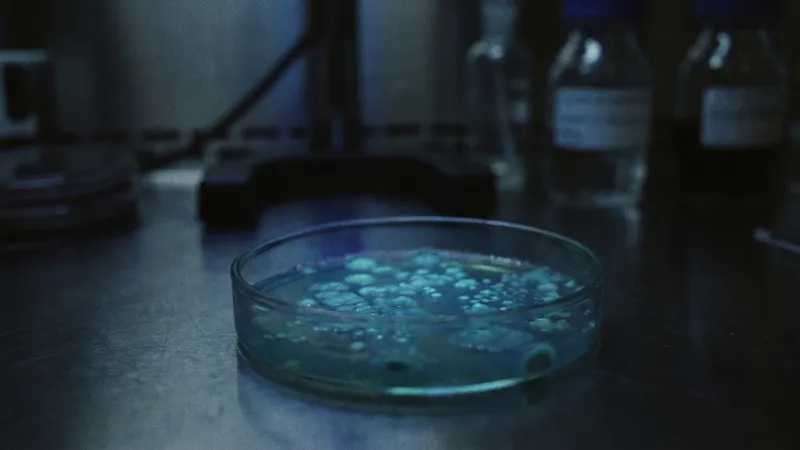
The FDA has granted orphan drug designation to MVdeltaC, a genetically modified measles virus developed by French biotech Oncovita, for the treatment of pleural mesothelioma. The designation recognizes the therapy’s potential to address a disease with fewer than 200,000 U.S. patients annually and limited treatment options.
How MVdeltaC Works
MVdeltaC is an oncolytic virus, a type of immunotherapy that uses modified viruses to selectively infect and destroy cancer cells while leaving healthy tissue intact.
The therapy is based on an attenuated Schwarz strain measles virus, genetically engineered with a key modification: deletion of the C protein that normally helps viruses evade immune detection. This deletion triggers a stronger immune response against tumors.
Key mechanisms:
- Targets tumor cells via the CD46 receptor (overexpressed on cancer cells)
- Induces immunogenic cell death, alerting the immune system to attack
- Reactivates “cold” tumors that evade standard immunotherapy
- Combines well with checkpoint inhibitors
Preclinical Results
Laboratory studies show promising results for mesothelioma:
| Metric | Result |
|---|---|
| Tumor mass reduction | 60-70% in mesothelioma models |
| Potency vs standard measles | 2-3x more effective at killing tumor cells |
| Activity rate | >70% of human tumor cell lines tested |
| Survival with combo therapy | 100% in mice (with anti-CTLA-4) |
The combination with anti-CTLA-4 antibody immunotherapy achieved complete survival in animal models, suggesting MVdeltaC may enhance the effectiveness of existing checkpoint inhibitors.
Orphan drug designation provides Oncovita with tax credits for clinical trials, waived FDA application fees, and up to seven years of market exclusivity if approved. It does not guarantee approval but signals FDA recognition of unmet medical need.
Path to Human Trials
Oncovita plans to begin first-in-human trials by 2026, initially focusing on solid tumors that have not responded to checkpoint inhibitors. Mesothelioma is a priority indication given the limited options for patients after first-line chemotherapy and immunotherapy.
The French biotech has focused specifically on measles-based cancer therapies, and MVdeltaC is its lead candidate.
What This Means for Patients
For people with mesothelioma, MVdeltaC represents a fundamentally different approach than current treatments:
- Novel mechanism: Unlike chemotherapy or standard immunotherapy, oncolytic viruses directly infect tumors
- Immune activation: May help patients whose tumors are “cold” and unresponsive to checkpoint inhibitors
- Combination potential: Early data shows added benefit when paired with existing immunotherapies
Clinical trials are still at least a year away. Patients interested in novel therapies should discuss current clinical trial options with their oncology team.
References
OncLive.
https://www.onclive.com/view/mvdeltac-receives-fda-orphan-drug-designation-in-pleural-mesothelioma
CURE Today.
https://www.curetoday.com/view/mvdeltac-earns-orphan-drug-status-for-pleural-mesothelioma
Reader Q&A
Frequently Asked Questions
What is MVdeltaC?
MVdeltaC is a genetically modified measles virus designed to selectively infect and kill cancer cells. Developed by French biotech Oncovita, it has received FDA orphan drug designation for pleural mesothelioma. The modification removes the C protein, triggering stronger immune responses against tumors.
What is orphan drug designation?
FDA orphan drug designation is granted for therapies targeting diseases affecting fewer than 200,000 Americans annually. It provides tax credits, fee waivers, and seven years market exclusivity if approved. It does not guarantee the drug will be approved.
When will clinical trials begin?
Oncovita plans to begin first-in-human trials by 2026 for solid tumors including mesothelioma. The therapy is currently at the pre-IND/CTA stage, meaning regulatory submissions are being prepared.
How effective was MVdeltaC in studies?
In preclinical models, MVdeltaC reduced tumor mass by 60-70% and was 2-3x more potent than standard measles virus. Combined with anti-CTLA-4 immunotherapy, it achieved 100% survival in mice with mesothelioma.
What are the three types of immunotherapy?
Memorial Sloan Kettering Cancer Center identifies three main types of immunotherapy: checkpoint inhibitors, which release brakes on T cells to attack tumors; adoptive cell-based therapies, including CAR T-cell therapy and tumor-infiltrating lymphocytes (TIL), where immune cells are expanded in a lab and reinfused; and off-the-shelf drugs like pembrolizumab and ipilimumab given intravenously. The National Cancer Institute lists immune checkpoint inhibitors, T-cell transfer therapy (similar to adoptive cell therapies), treatment vaccines that boost responses to cancer cells, and immune system modulators that enhance overall immune function. Administration varies, including intravenous, oral, topical, or intravesical routes depending on the type.
What new cancer drug has a 100% success rate?
Dostarlimab (Jemperli), a PD-1 inhibitor immunotherapy, achieved 100% clinical complete remission in all 42 people with mismatch repair-deficient (dMMR) locally advanced rectal cancer who completed treatment in a phase 2 trial at Memorial Sloan Kettering Cancer Center. No evidence of disease was detected via imaging, endoscopy, and biopsy after six months of treatment, with sustained responses up to four years and minimal side effects; none required chemotherapy, radiation, or surgery. These results were updated in June 2024 at ASCO, but dostarlimab applies only to this rare dMMR rectal cancer subset (5-10% of cases), not other cancers or tumor types. The Memorial Sloan Kettering study is still enrolling to test durability and whether the approach reaches other mismatch repair-deficient tumors (NCT04165772 on ClinicalTrials.gov, listed as recruiting when we checked on 2026-07-27).
What drugs are FDA approved for mesothelioma?
The FDA has approved several drugs for malignant mesothelioma, including pemetrexed disodium (Alimta), nivolumab (Opdivo), ipilimumab (Yervoy), and pembrolizumab (Keytruda). Ipilimumab and nivolumab received accelerated approval in 2020 as first-line combination therapy for unresectable pleural mesothelioma in people with no prior treatment. Pembrolizumab gained approval in 2024 combined with pemetrexed and platinum chemotherapy for first-line treatment of unresectable advanced or metastatic malignant pleural mesothelioma.
Was the measles vaccine different before 1968?
Yes. In the United States, a live measles vaccine was licensed in 1963, but an inactivated, killed version was also used from 1963 to 1967 and was later found to be ineffective. In 1968, a more attenuated live vaccine, associated with Maurice Hilleman and colleagues, replaced earlier versions and became the measles vaccine used in the U.S. from then on. Sources from CDC and WHO note that people vaccinated before 1968 with a killed or unknown-type measles vaccine may not have been protected, while documented live vaccine doses from that era are considered valid.