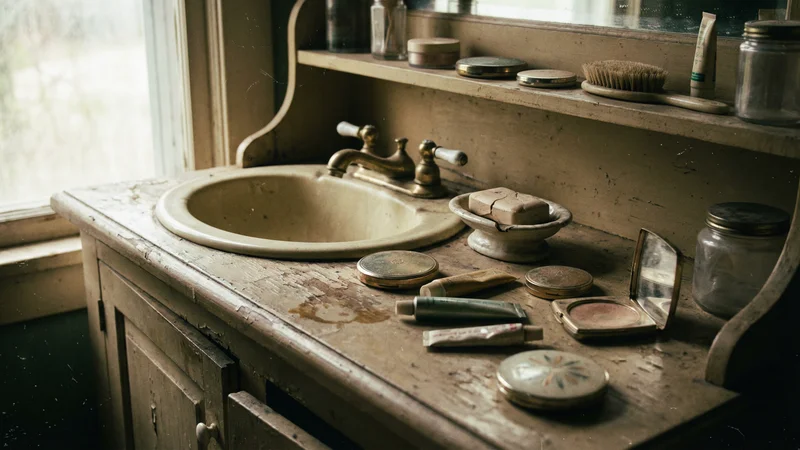
Talc is one of the most widely used minerals in consumer products. Its ability to absorb moisture, reduce friction, and create a silky texture made it a staple ingredient in everything from baby powder to eyeshadow. But revelations about asbestos contamination have prompted recalls, reformulations, and growing consumer concern.
You cannot tell if a product contains asbestos-contaminated talc by looking at it. The only way to know is through laboratory testing. Many products on store shelves today still contain talc.
Baby Powder
Johnson’s Baby Powder
The most well-known talc product and the subject of over 90,000 lawsuits.
Status: Discontinued globally (2023)
History:
- Sold for over 100 years
- J&J discontinued talc formula in US/Canada in 2020
- Global discontinuation announced in 2023
- Replaced with cornstarch-based formula
Recalls:
- October 2019: J&J recalled 33,000 bottles after FDA testing found asbestos
- Company initially disputed FDA findings
Other Baby Powders
| Product | Contains Talc? | Notes |
|---|---|---|
| Johnson’s Baby Powder (new) | No | Reformulated with cornstarch |
| Burt’s Bees Baby Powder | No | Cornstarch-based |
| California Baby Powder | No | Cornstarch/tapioca |
| Honest Company Baby Powder | No | Cornstarch-based |
| Generic store brands | Varies | Check ingredients |
Body Powders
Shower to Shower
Manufacturer: Currently owned by Valeant (formerly J&J)
Status: Talc formula still available in some markets
Lawsuits: Included in J&J talc litigation
Gold Bond
Manufacturer: Sanofi (Chattem)
Status: Multiple formulas available. Some contain talc, some don’t
Products:
- Gold Bond Medicated Powder: Contains talc
- Gold Bond No Mess Powder Spray: Contains talc
- Gold Bond Ultimate Comfort Body Powder: Talc-free option available
Other Body Powders
| Product | Talc Status |
|---|---|
| Clubman Pinaud Powder | Contains talc |
| Ammens Medicated Powder | Contains talc |
| Caldesene Powder | Contains talc |
| Boudreaux’s Butt Paste | Talc-free |
Cosmetics and Makeup
Talc is extremely common in cosmetics due to its texture and ability to absorb oil. It appears in:
Foundation and Face Powder
Many pressed and loose powders contain talc as a primary ingredient:
- Pressed powder compacts
- Loose setting powder
- Mineral foundation (some brands)
- Mattifying powders
Eye Makeup
- Eyeshadow (especially pressed formulas)
- Eye primer
- Brow powder
Blush and Bronzer
- Powder blush
- Bronzer
- Highlighter
- Contour powders
Other Cosmetics
- Lipstick (some formulas)
- Concealer (powder forms)
- Setting spray (some contain talc particles)
Claire’s Cosmetics Recall
In 2019, the FDA warned consumers about asbestos contamination in children’s makeup sold at Claire’s stores:
Recalled Products:
- Claire’s Eye Shadows
- Claire’s Compact Powder
- Claire’s Contour Palette
- Justice cosmetics (related recall)
The FDA found tremolite asbestos in multiple products tested. Claire’s initially disputed the findings but eventually recalled the products.
Pharmaceutical Products
Talc is used as an inactive ingredient (excipient) in many medications:
Common Uses
- Tablet coating: Creates smooth, easy-to-swallow surface
- Filler/binder: Adds bulk to small-dose medications
- Anti-caking agent: Prevents powder medications from clumping
Medications That May Contain Talc
- Many over-the-counter pain relievers
- Some prescription medications
- Vitamin supplements
- Antacids
Note: Pharmaceutical-grade talc is subject to stricter testing requirements than cosmetic talc, though concerns about contamination persist.
Industrial and Occupational Products
Workers in certain industries face talc exposure through:
Rubber Manufacturing
Talc is used as a release agent and filler in rubber products
Ceramics
Talc is a component in ceramic glazes and bodies
Paint and Coatings
Talc provides texture and improves paint properties
Paper Production
Talc is used in paper coating and as a filler
Plastics
Talc reinforces plastic products and improves heat resistance
How to Check Product Ingredients
Reading Labels
Look for these terms on ingredient lists:
- Talc
- Talcum
- Magnesium silicate (chemical name for talc)
- Cosmetic talc
What Labels Don’t Tell You
Product labels do not indicate:
- Whether talc was tested for asbestos
- Source of the talc (which mine)
- Testing methodology used
- Lot-by-lot testing results
Talc-Free Alternatives
Baby Powder Alternatives
| Alternative | Pros | Cons |
|---|---|---|
| Cornstarch | Absorbs moisture, widely available | May promote yeast growth in some |
| Arrowroot powder | Natural, gentle | More expensive |
| Oat flour | Soothing, natural | Can be messy |
| Nothing | No risk | May miss moisture absorption |
Cosmetic Alternatives
Many brands now offer talc-free formulas:
Talc-Free Makeup Brands:
- Ilia Beauty
- RMS Beauty
- Kosas
- Beautycounter
- Honest Beauty
- Many “clean beauty” brands
Look for:
- “Talc-free” on label
- Mica-based formulas
- Rice powder formulas
- Silica-based products
Search “[brand name] talc-free” before purchasing. Many major cosmetic brands now offer talc-free lines alongside traditional formulas.
Products Recalled for Asbestos
| Year | Product | Company | Finding |
|---|---|---|---|
| 2019 | Baby Powder (33,000 bottles) | Johnson & Johnson | FDA found asbestos |
| 2019 | Eye shadows, powders | Claire’s | FDA found tremolite asbestos |
| 2019 | Contour palette | Justice | FDA found asbestos |
| 2020 | Beauty Plus Global cosmetics | Various | Asbestos contamination |
| 2017 | City Color Cosmetics | City Color | Voluntary recall |
What If You’ve Used These Products?
Current Users
- Stop using talc products if you’re concerned
- Switch to talc-free alternatives
- Keep product packaging if you later develop health issues
Past Users
- Document your use history: Which products, how long, how often
- Monitor for symptoms: Persistent cough, abdominal bloating, pelvic pain
- Mention talc exposure to your doctor if you develop concerning symptoms
If You’ve Been Diagnosed with Cancer
- Preserve any remaining products (don’t throw them away)
- Document your product use history in detail
- Consult with an attorney about potential legal options
- Gather medical records connecting diagnosis to potential exposure
The Regulatory Gap
Current FDA Authority
The FDA does not:
- Pre-approve cosmetics before sale
- Require asbestos testing of cosmetic talc
- Mandate disclosure of talc source or testing
- Have mandatory recall authority for cosmetics
Proposed Regulations
In 2022, the FDA proposed requiring asbestos testing for talc in cosmetics. However:
- The rule was withdrawn in 2023
- No mandatory testing requirement exists
- Companies self-regulate testing practices
Industry Standards
Some manufacturers voluntarily:
- Test talc for asbestos
- Use talc from mines with no asbestos history
- Obtain third-party certifications
But these practices are not universal or legally required.
Frequently Asked Questions
Is all talc contaminated with asbestos? No. Talc from certain geological deposits is more likely to contain asbestos. The problem is that consumers cannot know which products use “safe” talc.
Can I get my products tested? Independent laboratory testing is possible but expensive (several hundred dollars per sample). It’s generally not practical for individual consumers.
Are talc-free products always safe? Talc-free products eliminate the asbestos contamination concern but may have other considerations. Always check full ingredient lists for any sensitivities.
Should I throw away my talc products? If you’ve been diagnosed with cancer or are concerned, stop using them. But consider keeping products in case they’re needed for potential legal claims.
Related Resources
Understanding Talc & Cancer
- Talcum Powder and Cancer
- Talc Crisis By the Numbers
- Talcum Powder and Ovarian Cancer
- Is Talcum Powder Safe?
- Claire’s Cosmetics Recall
Legal & Compensation
- Talcum Powder Lawsuits
- How to File a Talc Claim
- Talc Settlement Amounts & Verdicts
- Asbestos Trust Funds
References
U.S. Food and Drug Administration. (2019-10-18). FDA Advises Consumers to Stop Using Certain Cosmetic Products.
https://www.fda.gov/cosmetics/cosmetics-compliance-enforcement/fda-advises-consumers-stop-using-certain-cosmetic-products
Reuters. (2022-08-11). Johnson & Johnson to End Talc-Based Baby Powder Sales Globally in 2023.
https://www.reuters.com/business/healthcare-pharmaceuticals/jj-end-global-sales-talc-based-baby-powder-2023-2022-08-11/
U.S. Food and Drug Administration. Testing of Cosmetic Products for Asbestos.
https://www.fda.gov/cosmetics/potential-contaminants-cosmetics/talc
U.S. Geological Survey. Talc.
https://www.usgs.gov/centers/national-minerals-information-center/talc-and-pyrophyllite-statistics-and-information