Overview
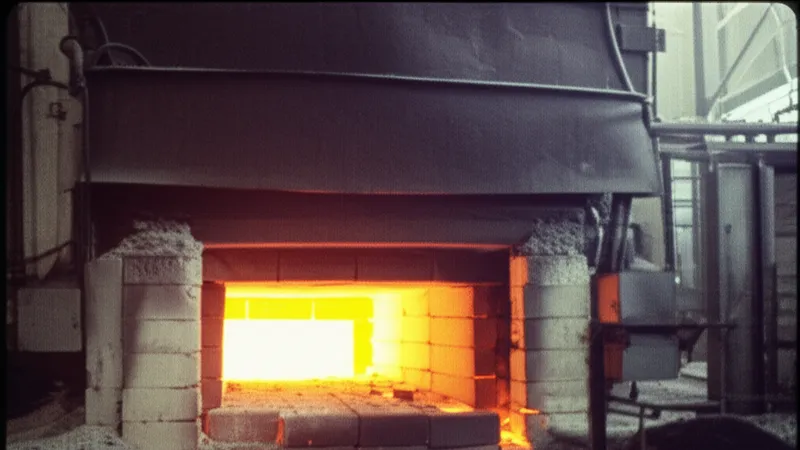
Furnace workers, employees who operate and maintain industrial furnaces in steel mills, foundries, and other heavy industries, faced extreme asbestos exposure. Furnaces required extensive asbestos-containing refractory materials, insulation, and heat shields, and workers wore asbestos protective clothing.
Furnace workers were surrounded by asbestos, in the furnace lining, in their protective clothing, in the dust throughout the facility. This created among the highest asbestos exposures in any occupation.
Asbestos in Furnace Operations
| Exposure Source | Description | Exposure Level |
|---|---|---|
| Refractory lining | Furnace interior lining | Extreme |
| Protective clothing | Heat-resistant suits, gloves | Very High |
| Insulation blankets | Furnace exterior insulation | Very High |
| Heat shields | Worker protection barriers | High |
| Door gaskets | Furnace door seals | High |
How Furnace Workers Were Exposed
Furnace Maintenance
The most intense exposure occurred during furnace maintenance:
- Entering furnaces to remove damaged refractory
- Installing new refractory brick with asbestos mortar
- Patching furnace linings with asbestos cement
- Working in enclosed spaces filled with refractory dust
Daily Operations
Even routine operation involved exposure:
- Wearing asbestos protective suits and gloves
- Working near deteriorating furnace insulation
- Handling tools wrapped with asbestos
- Breathing air contaminated with facility-wide asbestos dust
Ironically, the asbestos protective clothing designed to protect workers from heat became a source of asbestos exposure. Handling, wearing, and maintaining these suits released fibers.
Industries with Furnace Workers
- Steel mills: Blast furnaces, reheat furnaces
- Foundries: Metal casting operations
- Glass manufacturing: Glass melting furnaces
- Ceramics: Kilns and firing furnaces
- Aluminum smelting: Reduction cells
Related Occupations
Furnace workers worked alongside:
- Bricklayers, Refractory installation
- Boilermakers, Industrial equipment
- Laborers, General assistance
- Maintenance workers, Equipment repair
- Welders, Furnace repairs
Related Industry
Health Consequences
Furnace workers are at elevated risk for:
- Mesothelioma: Cancer of the chest or abdominal lining
- Asbestosis: Severe lung scarring
- Lung cancer: Risk multiplied by asbestos exposure
- Pleural disease: Thickening of lung lining
Legal Options
Furnace workers diagnosed with mesothelioma may pursue:
Asbestos Trust Funds
Refractory and protective equipment manufacturers have established trusts.
Additional Claims
- Product liability lawsuits: Against refractory manufacturers
- Premises liability: Against facility owners
- VA benefits: For military service exposure
- Workers’ compensation: Through employer coverage