Overview
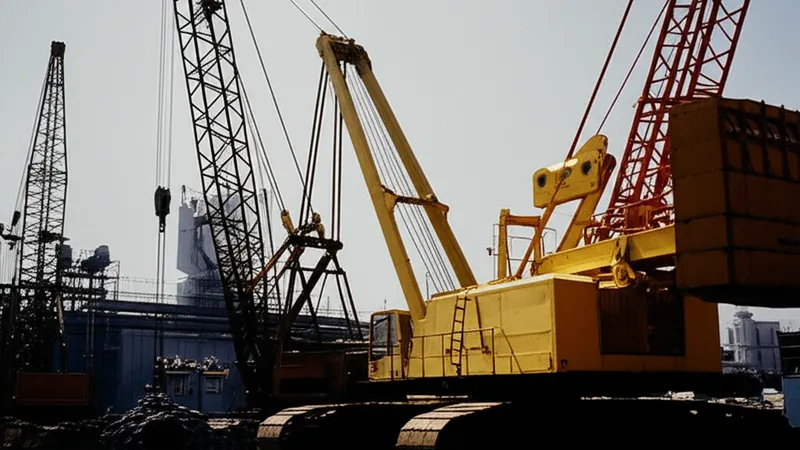
Operating engineers, workers who operate cranes, bulldozers, excavators, and other heavy equipment, faced asbestos exposure from equipment components and work environments. Equipment brakes, clutches, and HVAC systems contained asbestos, while construction and industrial job sites exposed operators to ambient asbestos fibers.
Asbestos Exposure Sources
| Exposure Source | Description | Exposure Level |
|---|---|---|
| Equipment brakes | Crane and equipment braking systems | Moderate |
| Clutch components | Power transmission systems | Moderate |
| Cab insulation | Operator cab heat/sound insulation | Low-Moderate |
| Job site exposure | Working on construction sites | Variable |
| Building systems | Stationary equipment operation | High |
How Operating Engineers Were Exposed
Equipment Exposure
Heavy equipment contained asbestos in:
- Brake drums and shoes
- Clutch plates and facings
- Sound and heat insulation
- Hydraulic system components
Job Site Exposure
Operating engineers worked on sites where asbestos was disturbed:
- Construction sites with spray insulation application
- Demolition of buildings with asbestos materials
- Industrial facilities with asbestos insulation
Stationary Engineers
Operating engineers who operated building systems faced high exposure:
- Boiler operation in mechanical rooms
- HVAC system operation and maintenance
- Building heating and cooling systems
Stationary operating engineers who worked in building mechanical rooms faced particularly high exposure from asbestos-insulated boilers, pipes, and HVAC equipment.
Work Environments
Operating engineers worked in:
- Construction: General construction sites
- Power plants: Plant equipment
- Commercial buildings: Mechanical systems
- Shipyards: Crane operation
- Demolition sites: Building teardown
Related Occupations
Operating engineers worked alongside:
- Laborers, General construction
- Ironworkers, Structural steel
- Demolition workers, Building demolition
- Maintenance workers, Building systems
- Boilermakers, Boiler operation
Health Consequences
Operating engineers are at elevated risk for:
- Mesothelioma: Cancer of the chest or abdominal lining
- Asbestosis: Progressive lung scarring
- Lung cancer: Especially combined with smoking
- Pleural disease: Thickening of lung lining
Legal Options
Operating engineers diagnosed with mesothelioma may pursue:
Asbestos Trust Funds
Equipment and building material manufacturers have established trusts.
Additional Claims
- Product liability lawsuits: Against equipment manufacturers
- Premises liability: Against building owners
- VA benefits: For military service exposure
- Workers’ compensation: Through employer coverage