Overview
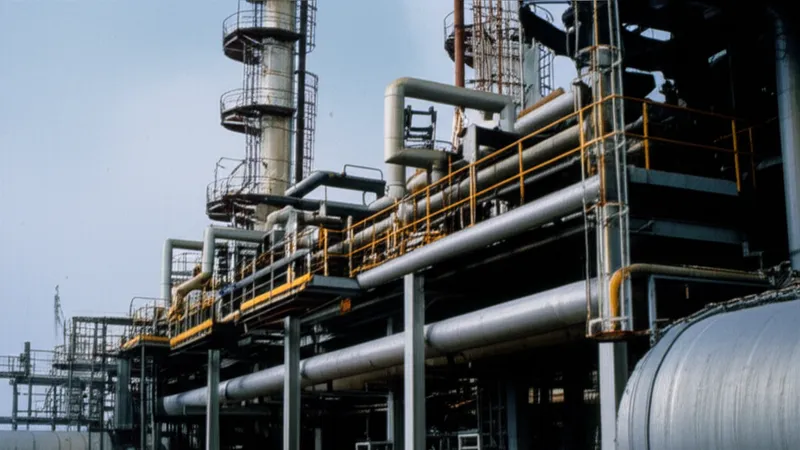
Refinery workers, employees at oil refineries and petrochemical plants, faced extensive asbestos exposure from the thousands of insulated pipes, vessels, pumps, and heat exchangers required for petroleum processing. Refineries were among the most asbestos-intensive industrial environments.
Oil refineries required asbestos insulation on virtually every pipe, vessel, and piece of equipment due to the high temperatures involved in petroleum processing. Workers were surrounded by asbestos throughout their shifts.
Asbestos in Refineries
| Equipment | Asbestos Type | Exposure Level |
|---|---|---|
| Process piping | Calcium silicate, magnesia | Very High |
| Heat exchangers | Block and blanket insulation | Very High |
| Distillation columns | External lagging | High |
| Pumps and compressors | Gaskets, packing, insulation | High |
| Storage tanks | Tank insulation | Moderate |
How Refinery Workers Were Exposed
Daily Operations
Refinery operators worked amid asbestos throughout their shifts:
- Monitoring equipment wrapped in asbestos insulation
- Walking through pipe racks with asbestos-lagged pipes
- Adjusting valves with asbestos packing
- Working in control rooms near insulated equipment
Maintenance and Turnarounds
Maintenance work created the highest exposure:
- Removing insulation to access equipment
- Replacing gaskets in pumps and valves
- Repacking valve stems
- Working during major turnarounds when insulation was disturbed plant-wide
Refinery turnarounds, major maintenance shutdowns, exposed all workers on site to high asbestos levels as insulation was stripped from equipment throughout the facility.
Refinery Jobs at Risk
All refinery positions faced some exposure:
- Process operators: Daily work amid insulation
- Maintenance mechanics: Equipment repair
- Instrument technicians: Control system maintenance
- Pipefitters: Pipe system work
- Insulators: Insulation application/removal
Related Industry
Related Occupations
- Pipefitters, Refinery piping
- Insulators, Insulation work
- Boilermakers, Vessel work
- Millwrights, Equipment maintenance
- Operating engineers, Equipment operation
Health Consequences
Refinery workers are at elevated risk for:
- Mesothelioma: Cancer of the chest or abdominal lining
- Asbestosis: Progressive lung scarring
- Lung cancer: Especially combined with smoking
- Pleural disease: Thickening of lung lining
Legal Options
Refinery workers diagnosed with mesothelioma may pursue:
Asbestos Trust Funds
Insulation manufacturers have established trusts:
- Johns-Manville Trust
- Owens Corning Trust
- Various gasket manufacturer trusts
Additional Claims
- Product liability lawsuits: Against insulation manufacturers
- Premises liability: Against refinery owners
- Workers’ compensation: Through employer coverage