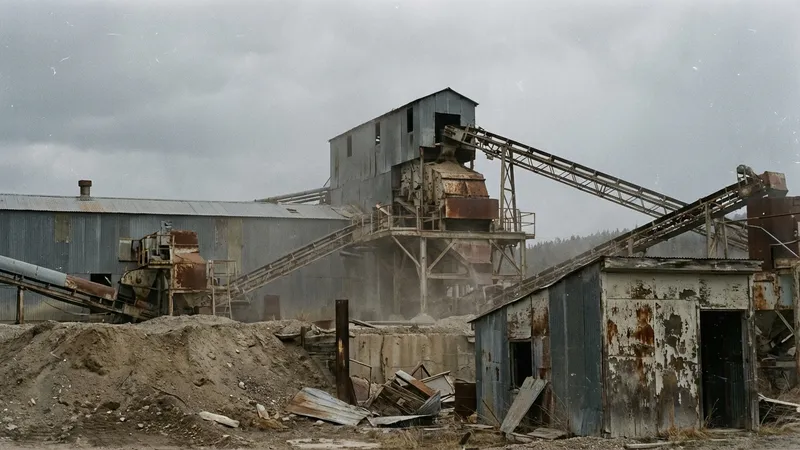
Libby, Montana, is the site of the deadliest environmental disaster in American history. For 70 years, a vermiculite mine contaminated the town with deadly asbestos, killing hundreds and sickening thousands more. The cleanup and health monitoring continue decades later.
What Happened in Libby
The W.R. Grace Mine
| Timeline | Event |
|---|---|
| 1919 | Vermiculite mining begins |
| 1963 | W.R. Grace acquires mine |
| 1990 | Mine closes |
| 1999 | Seattle Post-Intelligencer exposes contamination |
| 2002 | EPA declares Superfund site |
| 2009 | Public health emergency declared |
The Libby mine produced vermiculite ore for insulation, marketed as “Zonolite.” The ore contained tremolite asbestos, among the most dangerous asbestos types.
How the Town Was Contaminated
| Pathway | Description |
|---|---|
| Occupational | Miners directly exposed daily |
| Secondary | Workers brought fibers home on clothes |
| Environmental | Dust from mine settled across town |
| Vermiculite distribution | Piles of waste ore given away free |
| School track | Made from mine tailings |
| Gardens | Contaminated soil used by residents |
The contamination was pervasive. Asbestos was literally everywhere, in the air, soil, homes, schools, and public spaces.
The Human Toll
Death and Disease
| Category | Numbers |
|---|---|
| Deaths from asbestos disease | 400+ (likely undercount) |
| Mesothelioma cases | Dozens confirmed |
| Asbestosis cases | Hundreds |
| Lung cancer cases | Hundreds |
| Abnormal chest X-rays | 30%+ of screened residents |
The mortality rate from asbestos-related disease in Libby is 40–60 times higher than the national average.
Families Devastated
Many Libby families lost multiple members:
- Entire households diagnosed with asbestos disease
- Children exposed at school and playing outdoors
- Wives exposed washing husbands’ work clothes
- Grandchildren of miners now showing disease
The 20–50 year latency period means new cases continue appearing.
EPA Response and Cleanup
Superfund Site
| Phase | Status |
|---|---|
| Site investigation | Complete |
| Residential cleanup | 2,600+ properties addressed |
| Commercial cleanup | Ongoing |
| Mine site cleanup | Ongoing |
| Monitoring | Ongoing |
The Libby Superfund site is one of the largest and most complex cleanups in EPA history.
What Cleanup Involves
| Activity | Purpose |
|---|---|
| Soil removal | Eliminate contaminated surface soil |
| Building remediation | Remove asbestos from structures |
| Demolition | Tear down heavily contaminated buildings |
| Capping | Cover contaminated areas that can’t be removed |
| Air monitoring | Ensure cleanup doesn’t create new exposures |
2009 Public Health Emergency
In 2009, the EPA Administrator declared Libby a public health emergency, the first such declaration in U.S. history:
| Significance | Detail |
|---|---|
| First declaration ever | Under CERCLA (Superfund law) |
| Expanded EPA authority | Could address health impacts directly |
| Unlocked additional funding | For healthcare and screening |
| Set precedent | For future environmental health emergencies |
Healthcare for Libby Residents
Libby Asbestos Medical Program
| Program Element | Coverage |
|---|---|
| Screening | Chest CT scans for exposed residents |
| Treatment | Medical care for asbestos-related disease |
| Eligibility | Lived or worked in Libby area |
| Timeframe | Ongoing |
The program has screened thousands of former residents and provided treatment to those diagnosed.
Health Monitoring Findings
| Finding | Percentage |
|---|---|
| Abnormal CT scans (Libby residents) | 30%+ |
| Pleural abnormalities | Common |
| Progression to disease | Ongoing |
Even decades after exposure ended, new cases of asbestos-related disease continue to be diagnosed.
Due to mesothelioma’s 20-50 year latency period, people exposed 30+ years ago are now being diagnosed. Former residents who moved away continue developing disease. Children exposed in the 1970s-80s are reaching peak risk years.
Corporate Accountability
W.R. Grace Prosecution
| Legal Action | Outcome |
|---|---|
| Criminal charges (2005) | Company and executives charged |
| Charges | Conspiracy, knowing endangerment |
| Trial (2009) | Acquitted on criminal charges |
| Civil liability | Bankruptcy, trust fund established |
Despite evidence that company officials knew about the hazards, W.R. Grace was acquitted of criminal charges in 2009.
Bankruptcy and Trust Fund
| Element | Detail |
|---|---|
| Bankruptcy filed | 2001 |
| Trust fund established | 2014 |
| Amount | $1.07 billion |
| For | Patients and families, environmental cleanup |
The bankruptcy trust fund compensates those affected, but critics argue it’s insufficient given the scope of harm.
Ongoing Issues
Continuing Exposures
Despite cleanup, risks remain:
| Risk | Source |
|---|---|
| Disturbing cleaned areas | Construction, gardening |
| Uncleaned properties | Some remain contaminated |
| Natural deposits | Asbestos in surrounding mountains |
| Old vermiculite insulation | In homes nationwide |
Libby residents must remain vigilant even as cleanup progresses.
New Cases Still Emerging
Due to mesothelioma’s long latency period:
- People exposed 30+ years ago are now being diagnosed
- Former residents who moved away continue developing disease
- Children exposed in the 1970s–80s reaching peak risk years
National Implications
Zonolite Insulation
The vermiculite from Libby was sold nationwide as Zonolite insulation:
| Distribution | Scope |
|---|---|
| Homes insulated | 35 million (estimated) |
| Years sold | 1920s–1990 |
| Contamination | 70% of Zonolite contained asbestos |
Millions of American homes may contain Libby vermiculite in attics and walls.
If Your Home Has Vermiculite Insulation
- Don’t disturb it: Leave it alone if possible
- Don’t remove it yourself: Hire certified professionals
- Inform contractors: Before any renovation work
- Consider the Zonolite Attic Insulation Trust: May help pay for removal
The Zonolite Attic Insulation Trust provides reimbursement for professional removal (up to 55% of costs).
Lessons from Libby
What Went Wrong
| Failure | Consequence |
|---|---|
| Company knew but didn’t warn | Decades of preventable exposure |
| Government oversight failed | MSHA, EPA didn’t act for years |
| No early warnings | Community wasn’t informed of risks |
| Delayed cleanup | Exposure continued after mine closed |
What Changed
| Reform | Purpose |
|---|---|
| Enhanced EPA authority | Public health emergency provisions |
| Better asbestos regulations | Stronger workplace protections |
| Medical monitoring programs | Earlier disease detection |
| Compensation mechanisms | Bankruptcy trusts |
Libby drove significant improvements in environmental health response, though critics argue more reform is needed.
Resources for Affected Individuals
If You Lived in Libby
- Contact the Libby Asbestos Medical Program: Free screening available
- Register with health tracking programs: Monitor for disease development
- Document your exposure: Dates, locations, duration
- Consult an attorney: About trust fund claims
If You Have Vermiculite Insulation
- Assume it contains asbestos: Until tested
- Don’t disturb it: Disturbance releases fibers
- Hire professionals: For any work near insulation
- Check the Zonolite Trust: For removal assistance
Related Articles
- Environmental Asbestos Exposure
- Mesothelioma Latency Period
- Vermiculite Mine Tailings Alert
- High-Risk Occupations
What happened in Libby, Montana?▼
From 1919-1990, a vermiculite mine contaminated the town with deadly tremolite asbestos. The ore was distributed free for gardens and playgrounds, used in the school track, and dust settled throughout the community. Over 400 have died; thousands more are sick. It’s America’s deadliest environmental disaster.
What is the Zonolite connection?▼
Libby’s vermiculite was sold nationwide as “Zonolite” insulation. An estimated 35 million homes may contain this material, with 70% contaminated with asbestos. If you have vermiculite insulation, assume it contains asbestos until tested. Don’t disturb it without professional help.
What healthcare is available for Libby residents?▼
The Libby Asbestos Medical Program provides free screening and treatment for exposed residents. However, the CARD clinic was forced to close in 2024 due to litigation, leaving residents with fewer local options. Contact the program if you lived or worked in the Libby area.
What about corporate accountability?▼
W.R. Grace was acquitted of criminal charges in 2009 despite evidence executives knew about hazards. The company filed bankruptcy in 2001, emerging in 2014 with a $4 billion trust fund. Montana received a separate $18.5 million settlement for natural resource damages.