Utah Windstorm Spreads Mine Asbestos
A 2024 windstorm scattered asbestos-contaminated vermiculite mine tailings near Park City, Utah, prompting EPA monitoring and community health concerns.

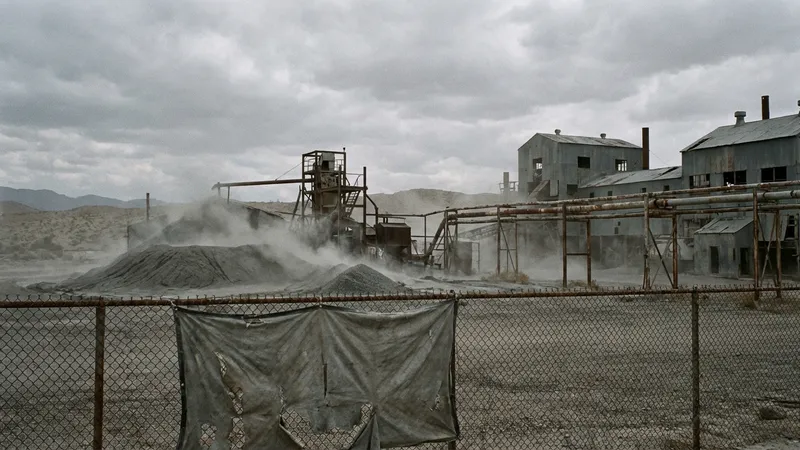
A powerful windstorm in Summit County, Utah, disturbed piles of vermiculite mine tailings containing asbestos, scattering contaminated material toward residential areas near Park City. The incident has renewed concerns about legacy mining contamination and its long-term health implications.
What Happened
The Windstorm Event
In late 2024, a severe windstorm swept through Summit County, disturbing decades-old vermiculite mine tailings piles. The wind carried contaminated dust and debris toward populated areas, including communities near the popular ski resort town of Park City.
Why Vermiculite Tailings Are Dangerous
Vermiculite mining often produces tailings contaminated with naturally occurring asbestos:
| Mine Component | Asbestos Content |
|---|---|
| Vermiculite ore | Variable |
| Tailings piles | Can be 1-5% asbestos |
| Surface material | Highest concentration (weathered) |
| Dust during disturbance | Airborne fibers released |
The most notorious example is Libby, Montana, where vermiculite mining caused an epidemic of asbestos-related disease. Utah’s vermiculite deposits share similar geological characteristics.
The Utah Vermiculite Context
Mining History
Utah has multiple historical vermiculite mining sites:
| Site | Status | Contamination |
|---|---|---|
| Summit County mines | Closed | Tailings remain |
| Surrounding areas | Residential development | Proximity concerns |
| Mountain areas | Undisturbed | Natural deposits |
Unlike Libby, Utah’s vermiculite operations were smaller scale. However, the tailings remain a potential exposure source.
Asbestos Type
The Utah deposits contain tremolite asbestos, one of the amphibole types known to cause mesothelioma:
| Asbestos Type | Category | Mesothelioma Risk |
|---|---|---|
| Tremolite | Amphibole | High |
| Actinolite | Amphibole | High |
| Chrysotile | Serpentine | Lower |
Tremolite fibers are particularly durable in lung tissue and associated with significant disease risk.
Stay indoors during high-wind events. Never dry sweep or disturb suspicious soil or rocks. Use wet methods for outdoor cleaning. Document any potential exposures (dates, duration, conditions) and inform your doctor about possible asbestos exposure history.
Health Implications
Who May Have Been Exposed
The windstorm potentially exposed several groups. Nearby residents living downwind of tailings piles faced the most direct risk. Outdoor workers, including construction and landscaping crews, were exposed during the event and in cleanup. Recreational users (hikers and mountain bikers in affected areas) and motorists driving through contaminated dust clouds may also have inhaled fibers.
Exposure Risk Assessment
| Population | Risk Level | Reason |
|---|---|---|
| Residents within 0.5 miles | Moderate | Direct wind path |
| Residents 0.5-2 miles | Low-moderate | Dispersed dust |
| General public | Low | Limited exposure duration |
| Workers handling material | Higher | Repeated contact |
Single, brief exposures during a windstorm carry lower risk than chronic occupational exposure, but any asbestos exposure adds to lifetime risk.
EPA and Local Response
Monitoring Efforts
EPA and local authorities have deployed air quality monitoring to test for airborne asbestos fibers, soil sampling to determine the extent of contamination, tailings assessments to evaluate pile stability, and community notification to alert residents to ongoing risk.
Recommended Actions
Authorities have advised:
| Action | For Whom |
|---|---|
| Stay indoors during wind events | Nearby residents |
| Avoid disturbing suspicious material | Everyone |
| Report dumping or pile disturbance | Public |
| Wet surfaces before sweeping/cleaning | Homeowners |
The Broader Legacy Mining Problem
Vermiculite Sites Nationwide
The Park City incident highlights a national issue:
| State | Major Vermiculite Sites | Status |
|---|---|---|
| Montana (Libby) | W.R. Grace mine | EPA Superfund |
| South Carolina | Multiple sites | Monitored |
| Virginia | Multiple sites | Monitored |
| Utah | Summit County | Under assessment |
Many former vermiculite operations left tailings piles that remain potential exposure sources decades after mining ceased.
Lessons from Libby
The Libby, Montana, tragedy demonstrated the devastating consequences of vermiculite-asbestos exposure:
| Libby Impact | Numbers |
|---|---|
| Deaths from asbestos disease | 400+ |
| Diagnosed with asbestos illness | 2,900+ |
| Years mining operated | 1919-1990 |
| EPA Superfund designation | 2002 |
Libby’s experience underscores why even “small” vermiculite contamination sites demand attention.
What Residents Should Know
If You Live Near Mine Tailings
Monitor weather alerts and stay indoors during high winds. Do not disturb suspicious soil or rocks, which can release fibers. Use wet methods for outdoor cleaning and never dry sweep. Document any potential exposures with dates, duration, and conditions. And talk to your doctor about possible asbestos exposure so it becomes part of your medical history.
Signs of Exposure Concern
Seek medical attention if you experience:
| Symptom | Significance |
|---|---|
| Persistent cough | Could indicate lung irritation |
| Shortness of breath | Possible lung involvement |
| Chest pain | Needs evaluation |
| Unexplained fatigue | General health concern |
Note: Symptoms from asbestos exposure typically take years to decades to appear. Current symptoms may be unrelated to recent exposure.
Long-Term Monitoring Needs
Recommended Public Health Measures
Experts suggest ongoing surveillance:
| Measure | Purpose |
|---|---|
| Annual air monitoring | Track ambient fiber levels |
| Soil testing program | Map contamination extent |
| Health registry | Track exposed populations |
| Medical screening | Early disease detection |
Remediation Options
For contaminated tailings sites:
| Approach | Description | Effectiveness |
|---|---|---|
| Capping | Cover piles with clean soil/material | Prevents wind disturbance |
| Consolidation | Combine and contain tailings | Reduces footprint |
| Removal | Complete excavation | Most thorough but costly |
| Vegetation | Plant cover to stabilize | Reduces erosion |
The optimal approach depends on contamination extent, proximity to populations, and available resources.
Questions for Local Authorities
If you live near mine tailings, consider asking:
- Has asbestos testing been done on tailings near my property?
- What air monitoring results show for my area?
- What remediation is planned?
- How will I be notified of future disturbance events?
- Are health screenings available for potentially exposed residents?
Related Resources
Reader Q&A
Frequently Asked Questions
What happened in Park City?
A severe windstorm in late 2024 disturbed decades-old vermiculite mine tailings piles in Summit County, Utah. The wind carried asbestos-contaminated dust toward populated areas near Park City. The EPA is monitoring the situation and assessing contamination extent.
Why is vermiculite contaminated with asbestos?
Vermiculite ore often forms alongside naturally occurring asbestos, particularly tremolite. Mine tailings can contain 1-5% asbestos. The Libby, Montana vermiculite mine caused an epidemic of asbestos disease (400+ deaths, 2,900+ diagnosed). Utah’s vermiculite deposits share similar geological characteristics.
How serious is the exposure risk?
Single, brief exposures during a windstorm carry lower risk than chronic occupational exposure, but any asbestos exposure adds to lifetime risk. Residents within 0.5 miles of tailings piles face moderate risk from direct wind paths. General public risk is low due to limited exposure duration.
What should residents do?
Stay indoors during high-wind events. Never disturb suspicious soil or dry sweep. Use wet methods. Document potential exposures. Tell your doctor about possible exposure. Note that symptoms from asbestos typically take years to decades to appear; current symptoms may be unrelated to recent exposure.
Can I remove asbestos myself in Utah?
Utah law exempts homeowners from most asbestos regulations, including notification and certified contractor requirements, allowing them to perform abatement themselves on their property. However, asbestos in good condition and undisturbed poses low risk, while improper removal can release fibers and cause secondary contamination. The Utah Department of Environmental Quality advises precautions for sampling and provides homeowner guidance on safe removal practices, such as for spray-on textured ceilings. Professional abatement is recommended to minimize health risks like mesothelioma from fiber inhalation.
Is it safe to drink tap water in Park City, Utah?
Park City tap water meets EPA and Utah state standards for regulated contaminants. PFAS levels in some well water sources exceeded the EPA’s 2024 MCLs of 4 ppt (PFOS at 6.7 ppt, PFOA at 4.8 ppt in 2024 testing), but PFAS were not detected in treated water from the 3Kings and Quinn’s Junction plants. Park City received Utah Division of Drinking Water approval in 2025 for a blending compliance plan, reducing well water reliance 4.5 years ahead of the 2029 deadline, with contamination traced to fluoro ski wax now restricted by ordinance. Residents report taste issues from chlorine and minerals, leading some to use filtration. The IARC classifies PFOA and PFOS as carcinogenic to humans.
Is asbestos testing required in Utah?
Utah Administrative Code R307-801-9 requires contractors to have an asbestos inspection performed by a Utah-certified asbestos inspector for abatement, renovation, or demolition projects, with the report available on-site during work. Owners of residential structures with four or fewer units are exempt from inspections unless subject to the EPA Asbestos NESHAP, and facilities built on or after January 1, 1992, generally do not require inspections prior to renovation or demolition. Inspections must identify asbestos-containing material (more than 1% asbestos) via lab analysis like Polarized Light Microscopy, and reports older than three years require review or update before use. Exceptions apply for structurally unsound buildings ordered demolished by officials.
Why are houses so expensive in Park City, Utah?
Houses in Park City, Utah, carry high prices due to strong demand from affluent buyers seeking outdoor recreation, top skiing, great schools, and proximity to events like the Sundance Film Festival, coupled with limited supply from protected lands and geographic constraints. High net-worth individuals and celebrities drive luxury estates, with the average home value at $1,588,140 (up 3.6% year-over-year) and median listing prices around $2.2 million. Housing costs are 268% above the national average, though other essentials like utilities and food are 2.9% below it, and areas like Jordanelle show median single-family prices at $4.72 million.