Paramount Studios Faces Asbestos Suits
Paramount Studios faces lawsuits alleging asbestos exposure on film sets and soundstages. The entertainment industry has a hidden asbestos history.

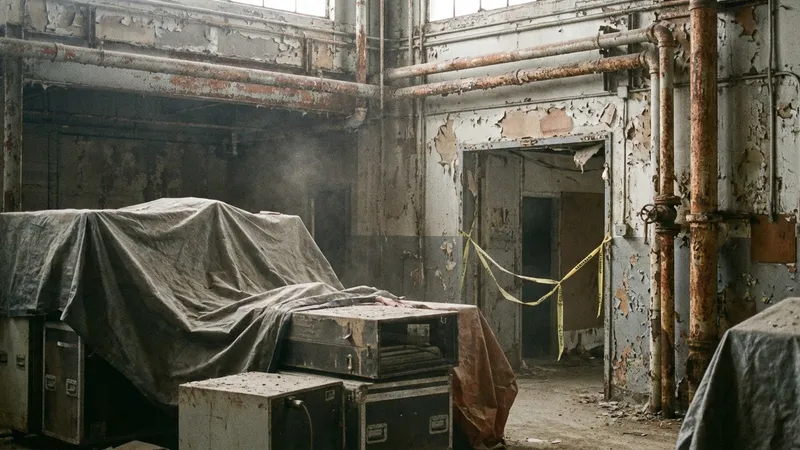
Paramount Studios faces lawsuits alleging that workers and performers were exposed to asbestos on its historic Hollywood lot. The cases highlight a largely overlooked occupational hazard in the entertainment industry.
The Hollywood Asbestos Problem
Why Studios Have Asbestos
| Factor | Explanation |
|---|---|
| Construction era | Most studios built 1920s-1970s |
| Soundproofing | Asbestos excellent for acoustic insulation |
| Fireproofing | Required for high-voltage lighting |
| Set construction | Used in temporary and permanent structures |
| Building materials | Standard in that era |
Major film studios were built during peak asbestos use, making them likely to contain significant amounts of asbestos-containing materials.
Where Asbestos Hides in Studios
| Location | Typical Materials |
|---|---|
| Soundstages | Insulation, fireproofing, acoustic panels |
| Set workshops | Building materials, adhesives |
| Back lots | Older permanent structures |
| Office buildings | Floor tiles, ceiling tiles, insulation |
| Technical facilities | Electrical insulation, HVAC |
Who’s at Risk
Entertainment Industry Workers
| Occupation | Exposure Risk |
|---|---|
| Set builders/carpenters | High: Cutting, drilling materials |
| Electricians/grips | High: Working in ceilings, walls |
| Painters | Moderate: Sanding, surface prep |
| Sound technicians | Moderate: Working near acoustic materials |
| Actors/performers | Variable: Duration on set |
| Production assistants | Variable: Time in older facilities |
The Long-Tail Problem
Because mesothelioma has a 20-50 year latency period, workers exposed decades ago are now being diagnosed:
| Exposure Era | Current Age | Risk Period |
|---|---|---|
| 1960s-1970s | 70s-80s | Peak diagnosis now |
| 1980s | 60s-70s | Increasing diagnoses |
| 1990s | 50s-60s | Future risk |
Workers who built sets for classic films may only now be developing mesothelioma.
If you worked in the entertainment industry, document productions, studios, and dates. Note specific soundstages and buildings where you worked. Keep call sheets, contracts, and photos. This documentation is essential for both medical care and any future legal claims.
Paramount Lawsuit Details
Allegations
Plaintiffs in Paramount asbestos cases typically allege:
| Claim | Detail |
|---|---|
| Premises liability | Studio knew or should have known of asbestos |
| Failure to warn | Workers not informed of hazards |
| Failure to protect | Inadequate safety measures |
| Negligence | Did not address known hazards |
Defense Arguments
Studios typically argue:
| Defense | Argument |
|---|---|
| Statute of limitations | Claims filed too late |
| Other exposures | Plaintiff exposed elsewhere |
| Compliance with standards | Met regulations of the time |
| No knowledge | Unaware of specific hazards |
Broader Industry Context
Other Studio Lawsuits
Paramount is not alone in facing asbestos litigation:
| Studio | Status |
|---|---|
| Universal Studios | Past lawsuits |
| Warner Bros | Past lawsuits |
| Sony/Columbia | Past lawsuits |
| Disney | Past lawsuits |
| Paramount | Ongoing litigation |
The entertainment industry as a whole has faced asbestos claims related to historic studio facilities.
Union Involvement
Entertainment unions have addressed asbestos:
| Union | Actions |
|---|---|
| IATSE | Safety training, advocacy |
| SAG-AFTRA | Contract provisions |
| Teamsters | Worker protection advocacy |
Unions have pushed for better asbestos identification and protection protocols on sets.
What Workers Should Know
Current Protections
| Protection | Requirement |
|---|---|
| Asbestos surveys | Required before renovation |
| OSHA standards | Apply to studio facilities |
| Cal/OSHA | Stricter California rules |
| Notification | Workers must be informed |
Modern regulations require studios to identify and manage asbestos, though enforcement varies.
If You Worked in Entertainment
If you spent time on studio lots, document your work history with specific productions, studios, and dates. Record the locations where you worked, including which sound stages, buildings, and back lots. Renovation or construction work raises exposure risk, so note any periods when that occurred near you. Keep whatever records you still have: call sheets, contracts, and photos. When you see a doctor, include this history in your medical file.
Warning Signs
Seek medical attention if you experience:
| Symptom | Significance |
|---|---|
| Persistent cough | May indicate lung issues |
| Shortness of breath | Could be early sign |
| Chest pain | Needs evaluation |
| Unexplained weight loss | General warning sign |
Remember: symptoms may appear decades after exposure ended.
Legal Options
Types of Claims
| Claim Type | Against |
|---|---|
| Premises liability | Studios (property owners) |
| Product liability | Asbestos product manufacturers |
| Third-party | Contractors who installed materials |
Evidence Needed
| Evidence | Purpose |
|---|---|
| Employment records | Prove presence at studio |
| Medical records | Document diagnosis |
| Witness testimony | Corroborate exposure |
| Building records | Show asbestos presence |
Statute of Limitations
Most states start the clock at diagnosis, not exposure, but time limits vary:
| State | General Limit |
|---|---|
| California | 1-2 years from discovery |
| New York | 3 years from discovery |
| Other states | Varies |
Consult an attorney promptly after diagnosis.
Prevention Going Forward
Studio Safety Programs
Modern studios should implement:
| Measure | Purpose |
|---|---|
| Asbestos surveys | Identify all ACM |
| Management plans | Track and monitor materials |
| Worker training | Recognize hazards |
| Proper abatement | Safe removal when needed |
| Renovation protocols | Protect workers during work |
For Current Workers
| Action | Importance |
|---|---|
| Ask about asbestos | Before working in older facilities |
| Request safety info | Your right under OSHA |
| Report concerns | To safety officers and unions |
| Use provided PPE | When required |
Related Articles
Reader Q&A
Frequently Asked Questions
Why do film studios have asbestos?
Most major studios were built during peak asbestos use (1920s-1970s). Asbestos was used extensively for soundproofing (acoustic insulation), fireproofing (required for high-voltage lighting), set construction materials, and building insulation. It was considered essential for studios’ unique requirements.
Which entertainment jobs had highest exposure?
Set builders and carpenters faced high risk from cutting and drilling materials. Electricians and grips working in ceilings and walls had significant exposure. Painters doing surface prep, sound technicians near acoustic materials, and actors had variable exposure depending on time spent in older facilities.
Why are workers being diagnosed now?
Mesothelioma has a 20-50 year latency period. Workers exposed on sets in the 1960s-1980s are now in the peak diagnosis period. Someone who built sets for classic films may only now be developing symptoms.
What should former entertainment workers do?
Document your work history: productions, studios, dates, specific soundstages and back lots. Note any renovation or construction work (higher exposure). Keep call sheets, contracts, and photos. Tell your doctor about potential asbestos exposure and report any respiratory symptoms.
What famous person died from mesothelioma?
Steve McQueen, a prominent actor known for films like The Great Escape and The Magnificent Seven, died from pleural mesothelioma in 1980 at age 50. His exposure is linked to U.S. Marine service, shipyard work, and possible movie set insulation. Other celebrities who died from mesothelioma include musician Warren Zevon (2003), actor Ed Lauter (2013), and NFL player Merlin Olsen. Paleontologist Stephen Jay Gould survived peritoneal mesothelioma for 20 years before dying from unrelated lung cancer in 2002.
Will 30 minutes of asbestos exposure hurt you?
No level of asbestos exposure is safe, but 30 minutes of exposure carries a low risk of causing mesothelioma or other asbestos-related diseases, as risk follows a dose-response relationship tied more to long-term occupational exposure. OSHA notes short exposures as brief as a few days can cause mesothelioma, yet evidence shows one-time or brief incidents like 30 minutes are unlikely to harm unless involving high fiber concentrations, poor ventilation, or amphibole asbestos types. Factors such as visible dust or enclosed spaces elevate potential harm, while intact materials outdoors pose minimal threat. People with any exposure history report details to physicians, as diseases may appear 20-50 years later.