$850,000 Settlement After Daycare Asbestos Exposure
Seventeen families reach settlement with Montana after children exposed to asbestos at University of Montana daycare facilities in 2018.

Seven Years of Uncertainty End in Settlement
Seventeen families whose children were exposed to asbestos at the University of Montana’s childcare centers have reached an $850,000 settlement with the State of Montana, closing a legal fight that began nearly seven years ago.
The settlement, finalized through mediation in December 2025 and reported publicly in January 2026, resolves claims filed by families whose children attended the ASUM childcare facilities in McGill Hall and Craighead Hall on the Missoula campus.
The children were toddlers and preschoolers at the time of exposure. They are now in middle school. None have been diagnosed with an asbestos-related disease, but the families know that mesothelioma and other conditions linked to asbestos can take decades to appear.
What Happened
University employees first identified asbestos on the second floor of McGill Hall in December 2018. The area was sealed, but the discovery triggered broader testing.
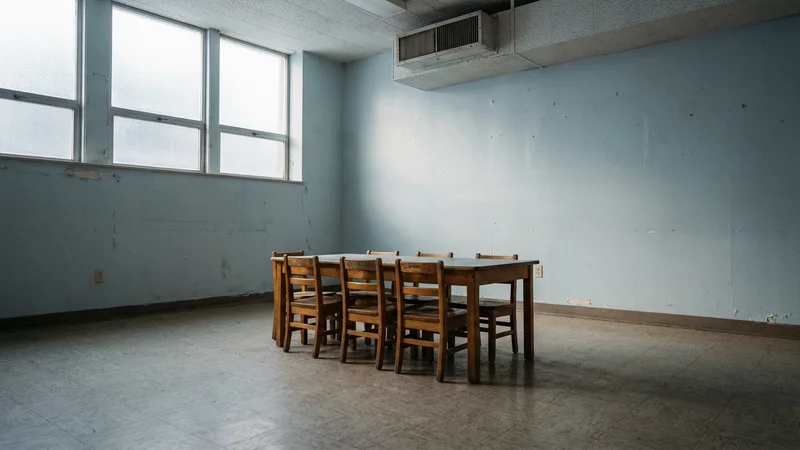
In late January 2019, inspectors found loose asbestos fibers in the HVAC systems, on surfaces, on toys, and on tables in both McGill and Craighead Halls. The daycare was relocated the next day.
The university launched a $700,000 remediation effort to clean and test the affected buildings. Air quality testing results were made publicly available.
But for families, the damage was already a question mark. Seventeen families filed suit in May 2020, alleging that the university failed to warn them promptly and violated safety protocols during the period when their children were breathing air in those rooms.
The Settlement
The mediated settlement provides $850,000 total across the 17 families. The university admitted no wrongdoing as part of the agreement.
For the families, the money is less about compensation than about preparation. Asbestos-related diseases, particularly mesothelioma, have latency periods of 20 to 60 years. The children exposed in 2018 and 2019 won’t know for decades whether the fibers they inhaled will cause illness.
Parent Lisa Davey told KPAX that every lingering cough, every routine illness, now carries an extra layer of fear. “We don’t want this to happen to any other families,” she said, describing the settlement’s value as both financial and preventive.
There is no known safe level of asbestos exposure. Children may be particularly vulnerable because their lungs are still developing and they breathe at faster rates relative to body size. Diseases like mesothelioma typically develop 20 to 60 years after exposure, making long-term medical monitoring important for anyone exposed at a young age.
Long-Term Monitoring
University spokesperson Dave Kuntz said the school has implemented enhanced safety protocols for its older buildings and continues to make air testing results publicly available. Community meetings were held during and after the remediation process.
For the families, the settlement funds may go toward lifelong medical monitoring. Regular chest imaging, pulmonologist visits, and awareness of symptoms can help detect asbestos-related conditions early, when treatment options are broader.
No new asbestos contamination has been reported at the university’s childcare facilities since the 2019 remediation.
What This Case Illustrates
The UM daycare case is part of a broader pattern of asbestos discoveries in aging institutional buildings across the country. Schools, universities, government buildings, and childcare facilities built before the 1980s may still contain asbestos in insulation, floor tiles, ceiling materials, and HVAC systems.
When these materials are disturbed during renovation, deterioration, or routine maintenance, fibers can become airborne. The EPA estimates that asbestos is still present in an estimated 107,000 schools and 733,000 public and commercial buildings in the United States.
For families concerned about potential exposure in schools or childcare settings, the EPA recommends requesting documentation of asbestos inspections and management plans, which educational institutions are required to maintain under the Asbestos Hazard Emergency Response Act (AHERA).
References
KPAX News. Settlements in University of Montana daycare asbestos exposure cases.
https://www.kpax.com/news/western-montana-news/settlements-in-um-daycare-asbestos-exposure-cases
U.S. EPA. Asbestos Hazard Emergency Response Act (AHERA).
https://www.epa.gov/asbestos/asbestos-and-school-buildings
Reader Q&A
Frequently Asked Questions
How much did each family receive in the settlement?
The total settlement was $850,000 distributed among 17 families. The exact per-family breakdown has not been publicly disclosed, as the terms were reached through mediation.
Have any of the children developed health problems?
As of early 2026, none of the children exposed at the UM daycare have been diagnosed with asbestos-related diseases. However, conditions like mesothelioma have latency periods of 20 to 60 years, so long-term monitoring is important.
What types of asbestos were found in the daycare?
Inspectors found loose asbestos fibers in the HVAC systems and on surfaces, toys, and tables in both McGill Hall and Craighead Hall. The specific mineral type of asbestos has not been detailed in public reports.
Is the University of Montana daycare still open?
The daycare was relocated immediately after the January 2019 discovery. The university invested $700,000 in professional remediation of the affected buildings and continues to make air testing results publicly available.
What should parents do if they suspect asbestos in a school or daycare?
Under the federal AHERA law, schools are required to inspect for asbestos, develop management plans, and make those plans available to parents. Parents can request to review the asbestos management plan and recent inspection reports from their school administration.
Will 30 minutes of asbestos exposure hurt you?
No level of asbestos exposure is safe, but 30 minutes of exposure carries a low risk of causing mesothelioma or other asbestos-related diseases, as risk follows a dose-response relationship tied more to long-term occupational exposure. OSHA notes short exposures as brief as a few days can cause mesothelioma, yet evidence shows one-time or brief incidents like 30 minutes are unlikely to harm unless involving high fiber concentrations, poor ventilation, or amphibole asbestos types. Factors such as visible dust or enclosed spaces elevate potential harm, while intact materials outdoors pose minimal threat. People with any exposure history report details to physicians, as diseases may appear 20-50 years later.
Which state is the largest producer of asbestos?
Rajasthan is the largest producer of asbestos in India, with the state alongside Andhra Pradesh accounting for nearly all domestic production. Major deposits occur in Rajasthan’s Udaipur, Dungarpur, Alwar, Ajmer, and Pali districts. No U.S. state currently produces asbestos, as domestic mining ceased decades ago; historical sites existed in states like California and Georgia. Globally, Russia leads production at around 630,000 metric tons in 2023. Asbestos exposure links to mesothelioma risk in people with occupational or environmental contact.
Is Libby, Montana worth visiting?
Libby, Montana, draws visitors for its access to outdoor sites like Kootenai Falls, Ross Creek Cedars, and the Cabinet Mountain Wilderness, with trails open year-round except for closures such as Ross Creek in summer 2025. The town serves as a base for Kootenai National Forest activities including hiking, fishing, and wildlife viewing, plus attractions like Libby Dam. Downtown offers casual eateries, a brewery, and a heritage museum focused on local lumber history, appealing to road trippers avoiding busier areas like Glacier National Park.