Shipyard Workers and Mesothelioma Risk
Shipyard workers face significantly elevated mesothelioma rates. WWII-era exposure, Navy shipyards, and ongoing risks from ship repair work explained.

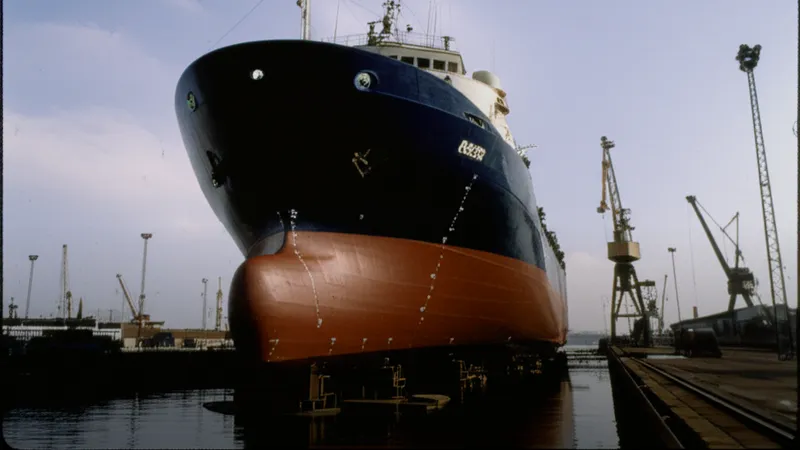
Shipyard Workers Face Elevated Mesothelioma Risk
Shipyard work has been consistently linked to elevated mesothelioma risk across multiple cohort and case-control studies. The Newport News Shipbuilding cohort update reported a pleural mesothelioma standardized mortality ratio (SMR) of about 1.70 (95% CI 0.97-2.76), with earlier estimates closer to 2.48. A Los Angeles County case-control analysis using NIOSH-linked data reported an odds ratio of 6.3 for heavy asbestos-exposed occupational groups that include shipyard work. Italian case-control data (MISEM/ReNaM) reported an OR of about 2.34 for shipbuilding/repair.
Navy personnel and shipyard workers account for a substantial share of U.S. mesothelioma cases, though there is no single peer-reviewed figure confirming “one-third.”
Why Shipyards Used So Much Asbestos
Asbestos was considered a “miracle material” for shipbuilding. It resisted heat from engines and boilers, fireproofed naval combat vessels, held up against salt water corrosion, and maintained stable temperatures in confined spaces below deck.
Asbestos Use in Naval Shipbuilding
Over 300 different asbestos-containing products were used to build U.S. Navy ships from the 1940s through the mid-1980s, including insulation, gaskets, valves, pumps, electrical equipment, and deck materials. Industry-wide asbestos consumption for shipbuilding ran into the hundreds of millions of pounds during peak decades, with individual vessels containing many tons of asbestos materials across insulation, lagging, and fireproofing systems.
Highest-Risk Shipyard Jobs
Insulators/Laggers (Highest Risk)
Insulators handled asbestos materials directly and showed a Standardized Mortality Ratio (SMR) of 2.75 for lung cancer. A Swedish study found their pleural mesothelioma rate was 10 times greater than the general population.
Boilermakers in cramped ship engine rooms
Boilermakers worked in cramped, poorly ventilated spaces with asbestos-containing boilers. A Michigan study found:
- 30% of boilermakers had pleural abnormalities
- Over 50% had respiratory difficulties
Pipefitters and pipe coverers
A 1971 study of 101 pipe coverers at a New England shipyard found:
- 63% had asbestosis
- 13% had advanced cases
Electricians working near insulated equipment
Electricians were exposed while working on motors connected to asbestos-containing equipment. Studies show significantly increased mesothelioma risk.
Other High-Risk Positions
- Welders and machinists (engine rooms with poor ventilation)
- Ship fitters
- Hull maintenance technicians
- Painters (asbestos in paint thickeners and fire retardants)
- Boiler technicians
Critical finding: Tasks performed in U.S. shipyards yielded average fiber concentrations approximately two-fold greater than non-shipyard settings due to inadequate ventilation and confined work environments.
Major U.S. Shipyards with Documented Exposure
Over 100 shipyards across 11 states used asbestos extensively.
Navy Shipyards
| Shipyard | Location | Peak Employment | Key Exposure Data |
|---|---|---|---|
| Brooklyn Navy Yard | New York | 70,000+ | Documented exposure in pipe shops, boiler shops, foundries |
| Norfolk Naval Shipyard | Virginia | 40,000+ (WWII) | 1984 study: 79% of workers showed lung abnormalities |
| Portsmouth Naval Shipyard | Maine | Thousands | Operating since 1800; documented exposure pre-1980 |
| Hunters Point Naval Shipyard | San Francisco | : | Subject of wrongful death lawsuits |
| Long Beach Naval Shipyard | California | : | Peak exposure 1940s-1970s |
| Puget Sound Naval Shipyard | Washington | : | Documented asbestos use |
| Pearl Harbor Naval Shipyard | Hawaii | : | Documented asbestos use |
| Philadelphia Naval Shipyard | Pennsylvania | : | Documented asbestos use |
| Charleston Naval Shipyard | South Carolina | : | Documented asbestos use |
| Mare Island Naval Shipyard | California | : | Documented asbestos use |
Private and Commercial Shipyards
Naval yards were not the only sources of shipyard asbestos disease. Bethlehem Steel’s Fore River yard in Quincy and the Charlestown Navy Yard in Boston drove much of Massachusetts’s shipyard-related mesothelioma burden. Electric Boat in Groton, the country’s primary submarine builder, is tied to the majority of Connecticut mesothelioma cases.
Baltimore’s Sparrows Point and Key Highway yards shaped Maryland’s exposure profile, and the Kaiser WWII shipyards on the Columbia River remain a central exposure source in Oregon mesothelioma statistics.
Time Periods of Peak Exposure
World War II (1940-1945): First Major Peak
WWII drove record shipyard activity and asbestos exposure. Contemporary congressional testimony and historical accounts estimate that roughly 4 to 4.5 million Americans worked in U.S. shipyards during the war, though this figure is drawn from historical accounting rather than a primary NIOSH or CDC cohort study.
- 1939: U.S. government classified asbestos as critical material
- 1942: FDR’s Asbestos Conservation Order prioritized asbestos for military shipbuilding
- American yards produced thousands of merchant vessels and warships during the war
Contemporary reports described shipyard work environments with heavy airborne dust during insulation installation.
Post-WWII Through Vietnam (1945-1970s)
- Every ship commissioned from 1930-1970 contained several tons of asbestos
- Peak consumption: 700,000+ tons annually during Vietnam War
- Exposure continued in ship repair, maintenance, and overhaul operations
Decline Period (1970s-1980s)
- Late 1970s: Dangers became publicly known
- Mid-1970s: Navy officially stopped using asbestos
- 1978: Government warned that 8-11 million workers had been exposed since WWII
- Early 1980s: Navy stopped using asbestos-containing materials on new ships
Mesothelioma Statistics for Shipyard Workers
Mortality Data
| Study/Finding | Result |
|---|---|
| Newport News Shipbuilding cohort SMR (pleural meso) | ~1.70 (95% CI 0.97-2.76) |
| LA County case-control (heavy asbestos occupations) | OR 6.3 |
| Italian MISEM/ReNaM case-control (shipbuilding/repair) | OR 2.34 |
| Genoa, Italy shipyard cohort pleural meso SMR | 5.75 (see below) |
Latency Period
- 2007 shipyard worker study: median mesothelioma latency of 42.8 years
- Range: 20-60 years for disease manifestation
This means workers exposed in the 1970s and 1980s are still being diagnosed today.
Record all shipyards where you worked, specific jobs and locations within each yard, time periods, and asbestos products encountered. This documentation is essential for medical care, VA claims, and any legal actions. Family members should also document their exposure history.
Landmark Research
Dr. Irving Selikoff’s Studies (1960s-1980s)
Dr. Selikoff’s research established the link between asbestos exposure and mesothelioma:
- Followed 17,800 asbestos insulation workers enrolled January 1, 1967
- Reported 356 mesothelioma deaths (134 pleural, 222 peritoneal) in the cohort through 1984 (Selikoff IJ, Seidman H. Br J Ind Med. 1988;45(3):182-7)
- 1984 Norfolk Naval Shipyard survey documented lung abnormalities among exposed workers
- Insulation workers with 20+ years of exposure showed high rates of asbestosis
Genoa, Italy Shipyard Study (55-Year Follow-up)
A study of 3,984 shipyard workers (1960-1981) followed through 2014 found:
- 83.6% mortality (3,331 deaths)
- Pleural mesothelioma SMR: 575 (5.75 times expected)
- Lung cancer SMR: 154 (1.54 times expected)
- 22.6% of lung cancer deaths attributed to asbestos
Belfast Insulation Workers Study
Of 162 insulators from 1940: by 1975, only 40 survivors remained when 108 were expected.
Current Risks for Shipyard Workers
Ship Breaking and Demolition
Older ships still contain asbestos materials. Workers dismantling vessels built before the 1980s face significant exposure risks. International ship-breaking operations continue with inadequate protection.
Repair and Maintenance Work
- Repairs, maintenance, and restoration of older vessels disturb asbestos materials
- Decommissioning old ships poses increased risk
- OSHA regulates asbestos in shipyards with exposure limits and PPE requirements
Regulatory Status
- EPA finalized chrysotile asbestos ban in March 2024
- Implementation gradual over 12 years
- Asbestos products still actively used during transition period
Secondary Exposure: Family Members at Risk
Shipyard workers carried asbestos fibers home on their clothing, exposing family members.
1981 Los Angeles County study of shipyard workers’ families:
- 11% of wives showed asbestos-caused lung damage
- 7.6% of sons affected
- 2.1% of daughters affected
Norfolk study: 9% of shipyard workers’ wives showed lung abnormalities.
Family members have successfully sued asbestos companies for secondary exposure causing mesothelioma.
Legal Options for Shipyard Workers
Shipyard workers and their families have multiple compensation options. Personal injury lawsuits against asbestos product manufacturers have produced substantial recoveries; recent verdicts include a $33 million award in Oregon in 2025 for a shipyard worker. Many shipyard asbestos suppliers have also established bankruptcy trusts, which operate in parallel to litigation; major manufacturers whose products went into ships, including Johns Manville, Owens Corning, W.R. Grace, and Pittsburgh Corning, established asbestos trust funds through bankruptcy reorganization.
Maritime-specific remedies run alongside trust claims. Civilian shipyard workers are covered by the Longshore and Harbor Workers’ Compensation Act (LHWCA) rather than state workers’ compensation, and crew members who developed disease from shipboard exposure may bring Jones Act claims. Premises-liability claims against shipyard owners provide another track.
Veterans exposed during military service may qualify for VA benefits, including a 100% disability rating for mesothelioma and tax-free compensation of $48,000+ per year. Workers’ compensation is available for occupational exposure, though it is generally less than what lawsuits and trust claims can provide together.
What to Do If You Worked in a Shipyard
Document Your History
- List all shipyards where you worked
- Note specific jobs and locations within shipyards
- Identify time periods of employment
- Remember asbestos products you encountered
Monitor Your Health
- Inform your doctor about shipyard asbestos exposure
- Report any respiratory symptoms promptly
- Consider baseline chest imaging
- Be aware of the 20-60 year latency period
Understand Your Rights
- Statute of limitations begins at diagnosis, not exposure
- Multiple compensation sources may be available
- Family members may also have claims for secondary exposure
Reader Q&A
Frequently Asked Questions
Why do shipyard workers face elevated mesothelioma risk?
Navy and commercial ships built through the early 1980s contained over 300 asbestos-containing products. Work occurred in confined, poorly ventilated spaces with fiber concentrations roughly twice those in non-shipyard settings. Millions of Americans worked in U.S. shipyards during WWII. Cohort and case-control studies consistently show elevated pleural mesothelioma risk in shipyard workers.
Which shipyard jobs had highest exposure?
Insulators/laggers had the highest risk (10x higher pleural mesothelioma rate). Boilermakers showed 30% pleural abnormalities. A study of pipefitters found 63% had asbestosis. Electricians, welders, machinists, ship fitters, and painters also faced significant exposure.
Were family members also exposed?
Yes. Workers carried fibers home on clothing. A Los Angeles study found 11% of shipyard workers’ wives showed asbestos-caused lung damage, along with 7.6% of sons and 2.1% of daughters. Family members have successfully sued for secondary exposure.
What compensation options exist?
Personal injury lawsuits against manufacturers (recent verdicts include $33 million), asbestos trust funds, VA benefits for veterans (100% disability rating for mesothelioma, $48,000+/year tax-free), and workers’ compensation. Multiple compensation sources may be available.