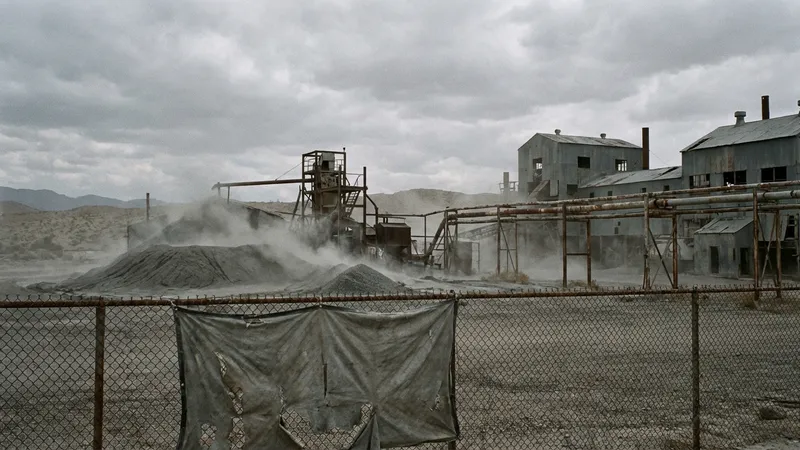
A powerful windstorm in Summit County, Utah, disturbed piles of vermiculite mine tailings containing asbestos, scattering contaminated material toward residential areas near Park City. The incident has renewed concerns about legacy mining contamination and its long-term health implications.
What Happened
The Windstorm Event
In late 2024, a severe windstorm swept through Summit County, disturbing decades-old vermiculite mine tailings piles. The wind carried contaminated dust and debris toward populated areas, including communities near the popular ski resort town of Park City.
Why Vermiculite Tailings Are Dangerous
Vermiculite mining often produces tailings contaminated with naturally occurring asbestos:
| Mine Component | Asbestos Content |
|---|---|
| Vermiculite ore | Variable |
| Tailings piles | Can be 1-5% asbestos |
| Surface material | Highest concentration (weathered) |
| Dust during disturbance | Airborne fibers released |
The most notorious example is Libby, Montana, where vermiculite mining caused an epidemic of asbestos-related disease. Utah’s vermiculite deposits share similar geological characteristics.
The Utah Vermiculite Context
Mining History
Utah has multiple historical vermiculite mining sites:
| Site | Status | Contamination |
|---|---|---|
| Summit County mines | Closed | Tailings remain |
| Surrounding areas | Residential development | Proximity concerns |
| Mountain areas | Undisturbed | Natural deposits |
Unlike Libby, Utah’s vermiculite operations were smaller scale. However, the tailings remain a potential exposure source.
Asbestos Type
The Utah deposits contain tremolite asbestos, one of the amphibole types known to cause mesothelioma:
| Asbestos Type | Category | Mesothelioma Risk |
|---|---|---|
| Tremolite | Amphibole | High |
| Actinolite | Amphibole | High |
| Chrysotile | Serpentine | Lower |
Tremolite fibers are particularly durable in lung tissue and associated with significant disease risk.
Stay indoors during high-wind events. Never dry sweep or disturb suspicious soil or rocks. Use wet methods for outdoor cleaning. Document any potential exposures (dates, duration, conditions) and inform your doctor about possible asbestos exposure history.
Health Implications
Who May Have Been Exposed
The windstorm potentially exposed:
- Nearby residents: Those living downwind of tailings piles
- Outdoor workers: Construction, landscaping crews
- Recreational users: Hikers, mountain bikers in affected areas
- Motorists: Driving through contaminated dust clouds
Exposure Risk Assessment
| Population | Risk Level | Reason |
|---|---|---|
| Residents within 0.5 miles | Moderate | Direct wind path |
| Residents 0.5-2 miles | Low-moderate | Dispersed dust |
| General public | Low | Limited exposure duration |
| Workers handling material | Higher | Repeated contact |
Single, brief exposures during a windstorm carry lower risk than chronic occupational exposure, but any asbestos exposure adds to lifetime risk.
EPA and Local Response
Monitoring Efforts
The EPA and local authorities have implemented:
- Air quality monitoring: Testing for airborne asbestos fibers
- Soil sampling: Determining contamination extent
- Tailings assessment: Evaluating pile stability
- Community notification: Alerting residents to risk
Recommended Actions
Authorities have advised:
| Action | For Whom |
|---|---|
| Stay indoors during wind events | Nearby residents |
| Avoid disturbing suspicious material | Everyone |
| Report dumping or pile disturbance | Public |
| Wet surfaces before sweeping/cleaning | Homeowners |
The Broader Legacy Mining Problem
Vermiculite Sites Nationwide
The Park City incident highlights a national issue:
| State | Major Vermiculite Sites | Status |
|---|---|---|
| Montana (Libby) | W.R. Grace mine | EPA Superfund |
| South Carolina | Multiple sites | Monitored |
| Virginia | Multiple sites | Monitored |
| Utah | Summit County | Under assessment |
Many former vermiculite operations left tailings piles that remain potential exposure sources decades after mining ceased.
Lessons from Libby
The Libby, Montana, tragedy demonstrated the devastating consequences of vermiculite-asbestos exposure:
| Libby Impact | Numbers |
|---|---|
| Deaths from asbestos disease | 400+ |
| Diagnosed with asbestos illness | 2,900+ |
| Years mining operated | 1919-1990 |
| EPA Superfund designation | 2002 |
Libby’s experience underscores why even “small” vermiculite contamination sites demand attention.
What Residents Should Know
If You Live Near Mine Tailings
- Monitor weather alerts: Stay indoors during high winds
- Don’t disturb suspicious soil or rocks: Could release fibers
- Use wet methods for outdoor cleaning: Never dry sweep
- Document potential exposures: Dates, duration, conditions
- Talk to your doctor: Mention potential asbestos exposure
Signs of Exposure Concern
Seek medical attention if you experience:
| Symptom | Significance |
|---|---|
| Persistent cough | Could indicate lung irritation |
| Shortness of breath | Possible lung involvement |
| Chest pain | Needs evaluation |
| Unexplained fatigue | General health concern |
Note: Symptoms from asbestos exposure typically take years to decades to appear. Current symptoms may be unrelated to recent exposure.
Long-Term Monitoring Needs
Recommended Public Health Measures
Experts suggest ongoing surveillance:
| Measure | Purpose |
|---|---|
| Annual air monitoring | Track ambient fiber levels |
| Soil testing program | Map contamination extent |
| Health registry | Track exposed populations |
| Medical screening | Early disease detection |
Remediation Options
For contaminated tailings sites:
| Approach | Description | Effectiveness |
|---|---|---|
| Capping | Cover piles with clean soil/material | Prevents wind disturbance |
| Consolidation | Combine and contain tailings | Reduces footprint |
| Removal | Complete excavation | Most thorough but costly |
| Vegetation | Plant cover to stabilize | Reduces erosion |
The optimal approach depends on contamination extent, proximity to populations, and available resources.
Questions for Local Authorities
If you live near mine tailings, consider asking:
- Has asbestos testing been done on tailings near my property?
- What air monitoring results show for my area?
- What remediation is planned?
- How will I be notified of future disturbance events?
- Are health screenings available for potentially exposed residents?
Related Resources
- Environmental Asbestos Exposure
- Mesothelioma Latency Period
- High-Risk Occupations
- Veterans and Asbestos
What happened in Park City?▼
A severe windstorm in late 2024 disturbed decades-old vermiculite mine tailings piles in Summit County, Utah. The wind carried asbestos-contaminated dust toward populated areas near Park City. The EPA is monitoring the situation and assessing contamination extent.
Why is vermiculite contaminated with asbestos?▼
Vermiculite ore often forms alongside naturally occurring asbestos, particularly tremolite. Mine tailings can contain 1-5% asbestos. The Libby, Montana vermiculite mine caused an epidemic of asbestos disease (400+ deaths, 2,900+ diagnosed). Utah’s vermiculite deposits share similar geological characteristics.
How serious is the exposure risk?▼
Single, brief exposures during a windstorm carry lower risk than chronic occupational exposure, but any asbestos exposure adds to lifetime risk. Residents within 0.5 miles of tailings piles face moderate risk from direct wind paths. General public risk is low due to limited exposure duration.
What should residents do?▼
Stay indoors during high-wind events. Never disturb suspicious soil or dry sweep. Use wet methods. Document potential exposures. Tell your doctor about possible exposure. Note that symptoms from asbestos typically take years to decades to appear; current symptoms may be unrelated to recent exposure.