Virginia Supreme Court: Shipyards Owe a Duty to Families
Virginia's 2018 Quisenberry ruling held shipyard employers owe a duty of care to family members exposed to take-home asbestos.

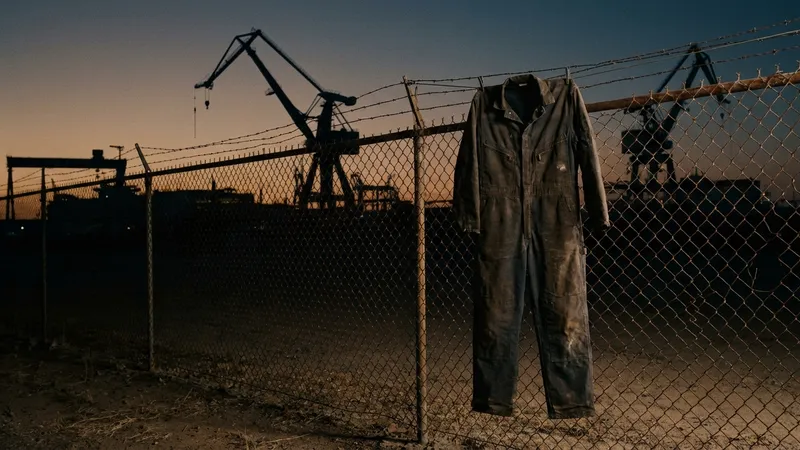
A 2018 Virginia Supreme Court ruling established that shipyard employers can be held legally responsible when workers’ family members develop mesothelioma from asbestos fibers brought home on contaminated clothing.
The decision in Quisenberry v. Huntington Ingalls Inc. (Record No. 171494, Oct. 11, 2018) remains the controlling Virginia precedent on take-home asbestos liability, and continues to shape secondary-exposure claims filed in the commonwealth.
The Case
Wesley Quisenberry, acting as personal representative of his mother’s estate, sued Huntington Ingalls Inc. (formerly Newport News Shipbuilding) after Wanda Quisenberry died from pleural mesothelioma. Her exposure traced to washing her father’s contaminated shipyard clothes.
Timeline of exposure:
- 1942: Bennie Plessinger, Wanda’s father, begins work at Newport News Shipbuilding
- 1954: Wanda, then a child, begins shaking out and laundering his contaminated clothes
- 1969: Wanda moves out of the family home
- 1977: Plessinger’s shipyard work ends
- 2013: Wanda diagnosed with malignant pleural mesothelioma
- 2016: Wanda Quisenberry dies; son files suit in Newport News Circuit Court
The shipyard argued it owed no duty to people who never set foot on its property. The Virginia Supreme Court disagreed.
The Court’s Reasoning
In a 4-3 decision, the court held that employers who knew or should have known about asbestos hazards had a duty to prevent harm to foreseeable bystanders, including family members who would handle contaminated clothing.
Key excerpts from the ruling:
The artificial hazard created by the Shipyard, asbestos dust, was allegedly released through the Shipyard’s course of conduct and moved to place Wanda in danger.
That harm in the present case occurred at a location removed from the employer’s business and after hours is a distinction without a difference.
The court rejected the shipyard’s argument that location and timing should limit liability. The case had reached the Virginia Supreme Court on a certified question from the U.S. District Court for the Eastern District of Virginia.
Virginia joins California, Louisiana, Delaware, New Jersey, and other jurisdictions in recognizing employer take-home liability for secondary asbestos exposure. A minority of states, including Pennsylvania, Illinois, Maryland, Michigan, and New York, have rejected such claims. Kansas and Ohio bar take-home claims by statute.
Implications for Secondary Exposure Cases
The ruling has significant implications for people with mesothelioma who were never occupationally exposed:
For family members:
- Spouses who washed work clothes
- Children who hugged parents after work
- Anyone who lived with asbestos workers
Legal landscape:
- Employer claims are viable in Virginia under Quisenberry
- No statute addresses take-home duty in Virginia; this is case-law precedent
- Hampton Roads shipyard families have continued to file secondary-exposure claims in the years since the ruling
Secondary Exposure and Mesothelioma
Secondary (or “take-home”) asbestos exposure is a recognized cause of mesothelioma, particularly among women and children who never worked directly with asbestos.
| Exposure Type | Typical People Affected |
|---|---|
| Primary | Workers at jobsite |
| Secondary | Family members at home |
| Bystander | Neighbors, community members |
| Environmental | Residents near mines or plants |
A 2018 Danish study of 91 women with malignant mesothelioma documented non-occupational exposure in roughly two-thirds of cases, with domestic or combined domestic-environmental exposure accounting for a substantial share. Researchers continue to find that most female mesothelioma cases outside occupational settings trace to a spouse or parent who worked with asbestos.
What This Means for People with Mesothelioma
If you developed mesothelioma without direct workplace exposure:
- Document family work history: Identify relatives who worked in shipyards, construction, manufacturing, or other asbestos industries
- Understand your state’s law: Take-home liability varies by jurisdiction
- Consult experienced counsel: Asbestos litigation requires familiarity with occupational history and medical causation
- Act promptly: Statutes of limitations apply to wrongful death and personal injury claims
References
Virginia Supreme Court. Quisenberry v. Huntington Ingalls Inc. (Record No. 171494).
https://law.justia.com/cases/virginia/supreme-court/2018/171494.html
Casetext. Quisenberry v. Huntington Ingalls.
https://casetext.com/case/quisenberry-v-huntington-ingalls-inc
Product Law Perspective. Supreme Court of Virginia Recognizes Employer Liability for Take-Home Exposure.
https://www.productlawperspective.com/02-19-2019-supreme-court-of-virginia-recognizes-employer-liability-for-take-home-exposure/
Tucker Ellis. Annual Update of Take-Home Asbestos Duty Decisions.
https://www.tuckerellis.com/wp-content/uploads/2023/08/13th-Annual-Update-of-Take-Home-Asbestos-Duty-Decisions_Ross-and-Shaw.pdf
Reader Q&A
Frequently Asked Questions
What is secondary asbestos exposure?
Secondary (take-home) asbestos exposure occurs when asbestos fibers are carried home on workers’ clothing, hair, or skin and then inhaled or ingested by family members. Washing contaminated clothes was a common route of exposure, particularly for wives and children of asbestos workers.
What did the Virginia Supreme Court rule in Quisenberry?
In Quisenberry v. Huntington Ingalls Inc. (Record No. 171494, decided Oct.
11, 2018), the court ruled 4-3 that employers owe a duty of care to workers’ family members when the employer knew or should have known that asbestos fibers would be carried home and harm others. The ruling allows wrongful death claims against employers for secondary exposure.
Which states recognize take-home liability?
Virginia, California, Louisiana, Delaware, New Jersey, and several other jurisdictions recognize employer take-home liability for secondary asbestos exposure. States including Pennsylvania, Illinois, Maryland, Michigan, and New York have rejected such claims. Jurisdiction is critical in these cases.
Can I sue if a family member's job caused my mesothelioma?
Potentially. In states recognizing take-home liability, you may have claims against the employer. You may also have claims against asbestos product manufacturers regardless of state. An attorney experienced in asbestos litigation can evaluate your specific circumstances.
What is the name of the shipyard in Virginia?
Virginia hosts multiple shipyards involved in shipbuilding, repair, and maintenance, primarily in the Hampton Roads area including Norfolk and Portsmouth. Notable facilities include Norfolk Naval Shipyard (NNSY) in Portsmouth , General Dynamics NASSCO-Norfolk , BAE Systems Norfolk Ship Repair, Colonna’s Shipyard , Lyon Shipyard , and Vigor Marine MHI Norfolk.
These yards support U.S. Navy vessels, commercial ships, and industrial fabrication, with historical operations dating back over 150 years in some cases.
Asbestos exposure from shipyard insulation and repair work has been documented in peer-reviewed studies linking it to mesothelioma among workers [NIH]. People with mesothelioma from such exposures have pursued claims through trial lawyers [IARC].