Maritime Workers and Asbestos Exposure
Maritime workers on commercial vessels faced extensive asbestos exposure in engine rooms, cargo holds, and living quarters. Learn about exposure sources.

Overview
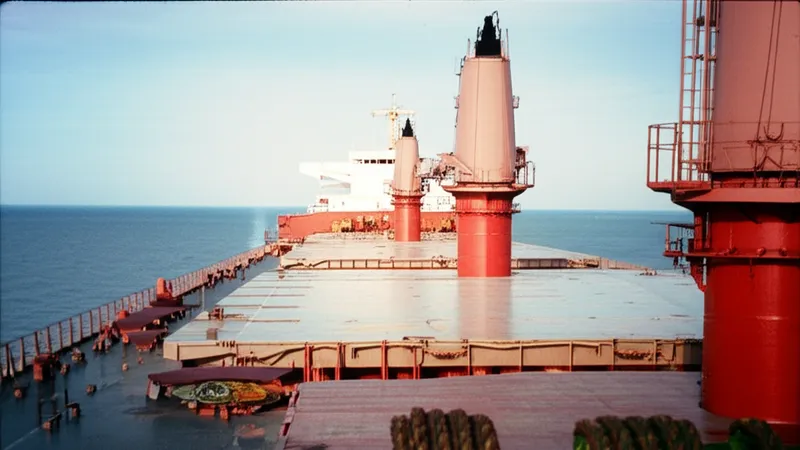
The maritime industry, including merchant shipping, commercial fishing, and offshore operations, exposed workers to asbestos throughout the 20th century. Ships required extensive insulation for fire protection, engine systems, and cargo protection, making asbestos ubiquitous in maritime environments.
Asbestos on Commercial Vessels
| Ship Area | Asbestos Materials | Exposure Risk |
|---|---|---|
| Engine rooms | Boiler insulation, pipe lagging, gaskets | Extreme |
| Boiler rooms | Thermal insulation, refractory materials | Extreme |
| Cargo holds | Bulkhead insulation, deck coverings | High |
| Crew quarters | Wall panels, floor tiles, ceiling materials | Moderate |
| Galley/mess | Fire protection, oven insulation | Moderate |
| Navigation bridge | Electrical insulation, panels | Low-Moderate |
Maritime Occupations at Risk
Types of Maritime Exposure
At-Sea Exposure
Merchant mariners lived and worked aboard vessels for weeks or months at a time, resulting in continuous exposure to deteriorating asbestos materials in enclosed shipboard spaces.
Port Operations
Dock workers, longshoremen, and port maintenance workers encountered asbestos when:
- Loading and unloading asbestos-containing cargo
- Performing ship repairs while vessels were in port
- Working in port facilities with asbestos insulation
Maritime workers faced particularly intense exposure because ships are enclosed environments. Asbestos fibers released in engine rooms and other spaces remained concentrated in the air workers breathed.
Asbestos Cargo
Commercial vessels also transported raw asbestos and asbestos products:
- Bulk asbestos from mines
- Asbestos-cement products
- Insulation materials
- Automotive parts containing asbestos
Longshoremen who handled these cargoes faced direct exposure to asbestos fibers.
Jones Act Claims
Maritime workers who qualify as seamen under the Jones Act (46 U.S.C. § 30104) have the right to sue their employer for negligence. The plaintiff does not need to prove the employer was solely responsible, only that negligence contributed in some part to the injury.
Jones Act Benefits
- Right to sue employer for negligence
- Maintenance and cure (medical expenses and living costs)
- Unseaworthiness claims against vessel owners
- No workers’ compensation exclusivity
Legal Options
Maritime workers diagnosed with mesothelioma may pursue Jones Act claims against vessel owners and operators, unseaworthiness claims for defective vessel conditions, asbestos trust fund claims against bankrupt insulation and equipment manufacturers (the Johns-Manville, Owens Corning, and Pittsburgh Corning trusts cover shipboard product lines), and maintenance-and-cure benefits for immediate medical coverage while a claim is pending.