Abrasives Industry and Asbestos Exposure
Sand and abrasives manufacturing workers faced asbestos exposure from grinding wheels, sandpaper, and industrial abrasive products.

Overview
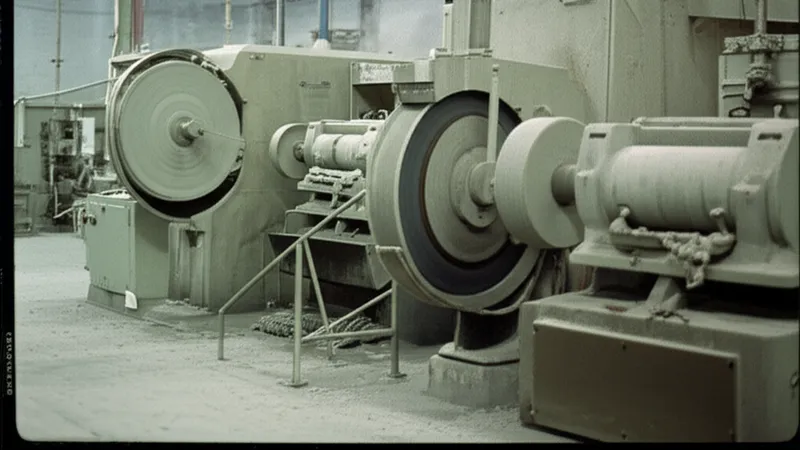
The sand and abrasives manufacturing industry produced grinding wheels, sandpaper, and industrial abrasive products, many of which contained asbestos for heat resistance and binding properties. Workers who manufactured and used these products faced significant asbestos exposure.
Asbestos in Abrasive Products
| Product | Asbestos Purpose | Exposure Risk |
|---|---|---|
| Grinding wheels | Heat resistance, binding | High |
| Cut-off wheels | Reinforcement, heat tolerance | High |
| Sanding discs | Backing material | Moderate |
| Buffing wheels | Heat resistance | Moderate |
| Honing stones | Binding agent | Moderate |
Why Asbestos Was Used
Manufacturing Exposure
Workers in abrasive plants were exposed across every production step: handling raw chrysotile and mixing it with abrasive grit, pressing and molding wheels, trimming and grinding finished products to size, running quality tests under load, and packaging products for shipment. Norton Company, Carborundum, Bay State Abrasives, and Simonds were among the largest US abrasive manufacturers using asbestos binders between the 1930s and 1980s.
Abrasive manufacturing generated heavy airborne dust at every stage. In plants running asbestos-bonded product lines, that dust carried chrysotile fibers well above the OSHA permissible exposure limit of 0.1 f/cc (8-hour TWA) that was phased in beginning in 1986.
User Exposure
End users of asbestos-bonded abrasives faced exposure long after the wheel left the factory. Machinists running grinding wheels on metal, auto body workers sanding and grinding surfaces, metal fabricators cutting and grinding structural steel, and maintenance workers performing general grinding and polishing all inhaled fibers released from the breakdown of the bonding matrix.
Combined Silica and Asbestos Hazard
Sand and abrasives workers often faced combined exposure to both asbestos and crystalline silica. Both substances cause serious lung disease, and combined exposure may increase the risk of lung cancer and asbestosis beyond either exposure alone.
Legal Options
Workers diagnosed with mesothelioma, lung cancer, or asbestosis after abrasive-industry exposure may pursue claims through asbestos trust funds established by bankrupt manufacturers (more than $30 billion is set aside across existing trusts), product liability claims against solvent abrasive companies, and workers’ compensation through employer coverage.