Grinders and Asbestos Exposure: Work Risks
Grinders faced asbestos exposure from grinding wheels, brake work, and metal fabrication. Learn about exposure sources and legal options.

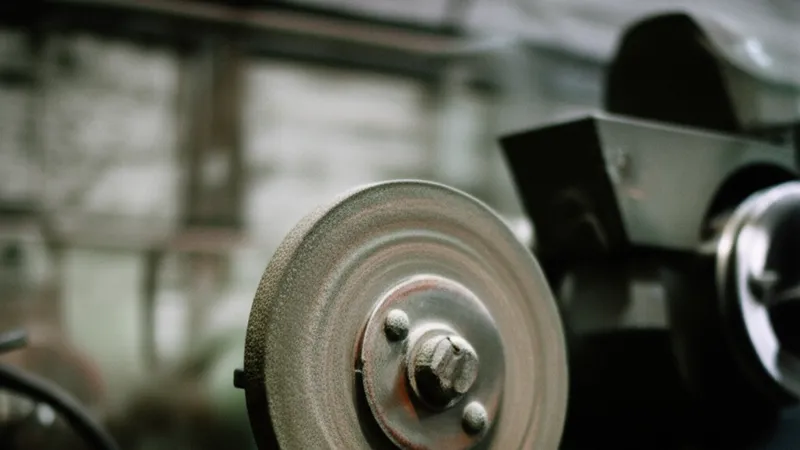
Overview
Grinders, workers who use abrasive wheels to shape, smooth, and finish metal and other materials, faced asbestos exposure from asbestos-containing grinding wheels and from grinding on asbestos-containing materials like brakes, gaskets, and insulated equipment.
Asbestos Exposure Sources
| Exposure Source | Description | Exposure Level |
|---|---|---|
| Grinding wheels | Asbestos used for heat resistance | High |
| Cut-off wheels | Reinforced with asbestos | High |
| Brake work | Grinding asbestos brake components | Very High |
| Gasket work | Grinding asbestos gaskets | High |
| Equipment surfaces | Grinding insulated equipment | Moderate |
How Grinders Were Exposed
Tool Exposure
Grinding wheels themselves contained asbestos:
- Asbestos provided heat resistance during grinding
- Wheel wear released asbestos fibers
- Changing wheels created exposure
- Grinding operation created asbestos-containing dust
Material Exposure
Grinding asbestos materials created intense exposure:
- Automotive brake and clutch work
- Fitting gaskets to equipment
- Removing insulation from machinery
- Surface preparation of insulated equipment
Grinders who worked on automotive brakes faced particularly high exposure. Grinding brake drums and rotors released concentrated asbestos fibers from the friction material.
Work Environments
Grinders worked across automotive repair shops doing brake and clutch work, metal-fabrication operations, shipyards on ship-repair jobs, industrial maintenance, and manufacturing. Between 1940 and 1980, the heaviest exposures fell on grinders servicing Ford, Chrysler, and General Motors brake assemblies in states like Michigan, Ohio, and California, where asbestos-bonded friction material was standard.
Related Occupations
Grinders worked alongside:
- Auto mechanics, Vehicle repair
- Welders, Metal fabrication
- Machinists, Machine shop work
- Pipefitters, Pipe work
- Millwrights, Equipment repair
Related Industries
Health Consequences
Grinders with asbestos exposure face elevated risk of mesothelioma, a cancer of the chest or abdominal lining; asbestosis, a progressive scarring of the lungs; lung cancer, with risk multiplied among smokers; and pleural disease that thickens the lining around the lungs.
Legal Options
Grinders diagnosed with mesothelioma typically pursue several tracks in parallel. Some friction-product manufacturers that went through bankruptcy reorganization fund §524(g) asbestos personal-injury trusts that pay claims tied to brake and clutch grinding, including the Federal-Mogul Asbestos Personal Injury Trust (which assumed the T&N and Abex friction-product liabilities), the Raytech Corporation Asbestos Personal Injury Settlement Trust (which channels Raybestos-Manhattan and Raymark friction-product claims), and the H.K. Porter Asbestos Trust. The major grinding-wheel manufacturers, including Norton Company, Carborundum, and Bay State Abrasives (all now part of Saint-Gobain Abrasives), did not file for asbestos bankruptcy and remain solvent defendants in direct product-liability suits. Honeywell, which had carried legacy Bendix friction-product liability as a solvent defendant, transferred those liabilities to a third-party vehicle (Delticus) on January 1, 2025; Honeywell itself has not established an asbestos trust. Trust claims, direct product-liability suits, premises-liability claims against facility owners, and workers’ compensation through a former employer can run alongside each other.
References
National Institute for Occupational Safety and Health. (2023). Asbestos in abrasive products.
https://www.cdc.gov/niosh/
Honeywell Investor Relations. (2025-01-01). Honeywell Announces Transaction to Divest Legacy Asbestos Liabilities.
https://investor.honeywell.com/news-releases/news-release-details/honeywell-announces-transaction-divest-legacy-asbestos
RAND Institute for Civil Justice. (2010). Asbestos Bankruptcy Trusts: An Overview of Trust Structure and Activity.
https://www.rand.org/pubs/monographs/MG1071.html