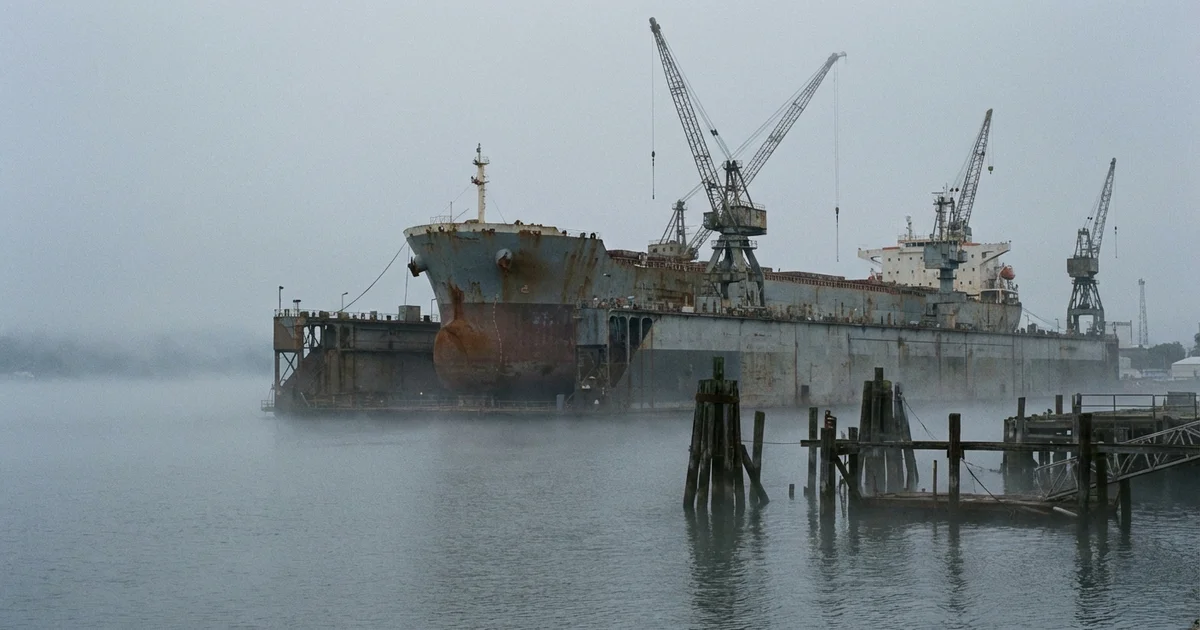
Naval and commercial shipyards were among the most dangerous workplaces for asbestos exposure. Workers installed asbestos insulation throughout ships (in boiler rooms, engine rooms, pipe systems, and sleeping quarters). The confined spaces of ships concentrated airborne fibers, leading to exceptionally high exposure levels.
Shipyards by State
Select a state to view shipyards with documented asbestos exposure history. Many of these facilities employed thousands of workers who may now be at risk for mesothelioma.
Pennsylvania
California
Louisiana
Washington
Massachusetts
New York
Alabama
Florida
Maine
Maryland
New Jersey
Oregon
Virginia
Michigan
Mississippi
South Carolina
Texas
Wisconsin
Delaware
Hawaii
Indiana
Ohio
Why Shipyard Workers Are at Risk
Shipyard workers faced asbestos exposure from multiple sources:
- Pipe insulation: Ships had miles of pipes wrapped in asbestos lagging
- Boiler insulation: Engine and boiler rooms were heavily insulated
- Fireproofing: Bulkheads, decks, and quarters used asbestos materials
- Gaskets and packing: Valve systems used asbestos components
- Confined spaces: Ship interiors concentrated airborne fibers
Occupations at Risk
Multiple trades worked in shipyards and faced asbestos exposure:
Veterans and Shipyard Exposure
Navy veterans who worked in naval shipyards face elevated mesothelioma risk. Both active-duty personnel and civilian workers at government shipyards were exposed. Veterans may qualify for VA benefits in addition to asbestos trust fund claims.
Veterans mesothelioma resources →