California Asbestos Exposure Legacy
How Hunters Point, Long Beach shipyards, Bay Area refineries, and naturally occurring asbestos in 42 counties exposed generations of California workers.

California’s position as the state with the highest total mesothelioma case count traces to a combination of industrial and geological factors found nowhere else in the country. Three primary exposure pathways, military shipyards, oil refineries, and naturally occurring asbestos deposits, created overlapping zones of risk that reach from San Francisco Bay to the Mojave Desert.
The workers who built the ships, maintained the refineries, and constructed the buildings are the ones receiving diagnoses now, decades after their last shift. And in 42 counties, the asbestos is still in the ground.
The Shipyard Corridor
Hunters Point Naval Shipyard, San Francisco
Hunters Point operated as a naval shipyard from 1941 to 1974, building and repairing hundreds of vessels during World War II, the Korean War, and the Vietnam War. The shipyard employed thousands of workers in enclosed dry docks and below-deck compartments where asbestos was omnipresent.
Every ship that passed through Hunters Point contained asbestos in pipe insulation, boiler lagging, turbine gaskets, fireproofing, and electrical insulation. Workers who removed old insulation and installed new material breathed concentrated fibers throughout their shifts. The Navy’s own records document the extent of asbestos use across its fleet.
Hunters Point was placed on the EPA’s Superfund National Priorities List. Cleanup has been underway for decades, complicated by the discovery that contamination is more extensive than initial assessments indicated.
Mare Island Naval Shipyard, Vallejo
Mare Island, the first naval shipyard on the Pacific Coast, operated from 1854 to 1996. The facility built and maintained submarines, destroyers, and other vessels throughout its multi-generational history. Asbestos exposure at Mare Island followed the same pattern as other naval shipyards: insulation, pipe covering, boiler work, and fireproofing in confined spaces.
Workers at Mare Island face the additional complexity of overlapping exposure periods. A worker who spent 20 years at the shipyard was exposed to multiple generations of asbestos-containing products from different manufacturers, which expands the number of trust fund claims available.
Long Beach Naval Shipyard
The Long Beach Naval Shipyard was one of the largest on the West Coast, employing a substantial workforce at peak operations. The facility repaired and overhauled aircraft carriers, battleships, cruisers, and submarines. Like Hunters Point and Mare Island, asbestos was integral to every ship system.
Long Beach closed in 1997, but the workers who served there are still being diagnosed with mesothelioma. The shipyard’s size and the volume of work performed there mean a large population was exposed over many decades.
The same below-deck conditions that made West Coast shipyard work so dangerous were present at the Brooklyn Navy Yard in New York, the Savannah port in Georgia, and the Jacksonville yards in Florida.
The Refinery Corridor
Bay Area Refineries
The Carquinez Strait corridor, running from Richmond through Martinez, Rodeo, and Benicia, contains one of the largest concentrations of oil refineries in the country. Chevron, Shell, Tesoro, and Phillips 66 all operate or operated major facilities in this stretch.
Oil refineries used asbestos insulation on every pipe, vessel, and piece of equipment that handled high temperatures. Pipefitters, boilermakers, and insulators who maintained these systems were in constant contact with asbestos-containing materials. The work was continuous: turnarounds, maintenance shutdowns, and routine repairs meant asbestos was being cut, stripped, and replaced year-round.
LA Basin Refineries
The refineries along the 710 corridor in Carson, Wilmington, and Torrance added another major exposure zone. El Segundo’s Chevron refinery, the largest on the West Coast, employed thousands of maintenance workers who handled asbestos insulation throughout their careers.
Naturally Occurring Asbestos
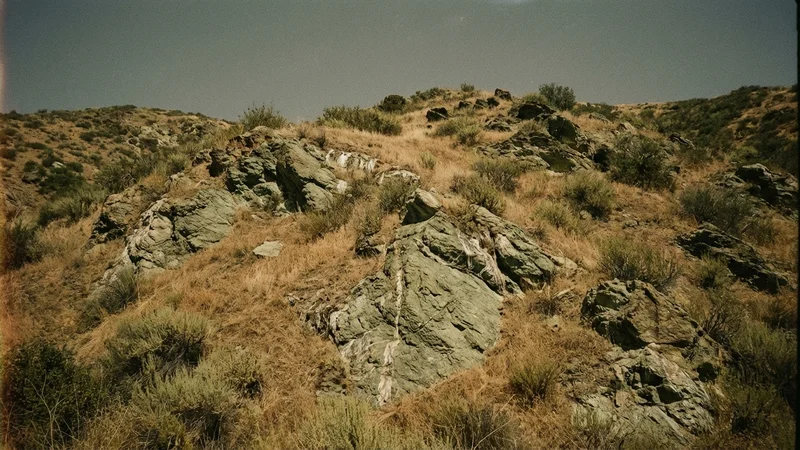
California’s geological formations contain naturally occurring asbestos in 42 of 58 counties. The mineral is found in serpentinite rock formations concentrated in the Sierra Nevada foothills, the Coast Ranges, and parts of Southern California.
Unlike occupational exposure, which ended when industries changed practices, natural asbestos remains in the ground permanently. Activities that disturb the soil, including construction, road building, grading, and even off-road recreation, can release fibers into the air.
The California Air Resources Board adopted regulations in 2002 requiring dust control measures during construction and grading in areas with naturally occurring asbestos. However, enforcement varies by county, and many residential properties sit on or near asbestos-bearing formations.
High-Risk Areas
- El Dorado County. One of the highest concentrations of naturally occurring asbestos in the state. Residential development in the foothills has raised concerns about exposure during construction.
- Amador, Calaveras, and Tuolumne counties. Sierra Nevada foothill communities with documented natural asbestos deposits.
- Lake County. Home to the Clear Creek Management Area, a former asbestos mine and one of the largest natural asbestos deposits in the country.
- San Benito County. The New Idria asbestos mine, one of the largest in California, operated until the 1970s. Contamination persists in the surrounding area.
Military Installations
Beyond the shipyards, California’s military bases added another layer of exposure. Camp Pendleton, Travis Air Force Base, Edwards Air Force Base, Fort Irwin, and dozens of other installations used asbestos-containing materials in buildings, infrastructure, and equipment.
Service members and civilian workers at these facilities face the same latency-delayed risk. Across all branches, veterans account for a disproportionately large share of mesothelioma cases nationally.
Take-Home Exposure
Shipyard workers, refinery workers, and construction tradespeople carried asbestos fibers home on their clothing, hair, and skin. Spouses who laundered contaminated work clothes and children who had contact with returning workers were exposed to the same fibers.
California courts have recognized take-home exposure as a valid basis for claims. In January 2026, the Virginia Supreme Court ruled that shipyard employers owe a duty of care to workers’ family members exposed through contaminated clothing, a decision that strengthened the legal foundation for secondary exposure claims nationwide.
Families affected by secondhand exposure may have both lawsuit and trust fund options.
If you or a family member worked at a California shipyard, oil refinery, or military installation, or lived in an area with naturally occurring asbestos, an experienced mesothelioma attorney can help reconstruct the exposure history. Employment records, military service records, and product databases can identify which asbestos-containing products were used at specific facilities.
References
Agency for Toxic Substances and Disease Registry. ATSDR National Asbestos Exposure Map.
https://www.atsdr.cdc.gov/asbestos/sites/national_map/
Centers for Disease Control and Prevention. CDC WONDER Mortality Database.
https://wonder.cdc.gov/
California Department of Conservation. Naturally Occurring Asbestos in California.
https://www.conservation.ca.gov/cgs/minerals/asbestos
U.S. Environmental Protection Agency. Hunters Point Naval Shipyard Superfund Site.
https://www.epa.gov/superfund/hunters-point-naval-shipyard
Reader Q&A
Frequently Asked Questions
Which California shipyards used asbestos?
All of them. Hunters Point Naval Shipyard in San Francisco, Mare Island Naval Shipyard in Vallejo, Long Beach Naval Shipyard, and the San Pedro shipyards all used asbestos extensively in ship construction and repair. The material was present in insulation, pipe covering, boiler lagging, fireproofing, and gaskets.
Is Hunters Point still contaminated?
Yes. Hunters Point Naval Shipyard is on the EPA’s Superfund National Priorities List. Cleanup has been underway for decades, and contamination has been found to be more extensive than initially assessed. The site remains a significant environmental concern for the Bayview-Hunters Point community.
What is naturally occurring asbestos?
Naturally occurring asbestos is asbestos mineral that exists in geological formations, primarily serpentinite rock. In California, it has been identified in 42 of 58 counties. When soil or rock containing these minerals is disturbed by construction, grading, or recreational activity, fibers can become airborne and pose an inhalation risk.
Were oil refinery workers exposed to asbestos?
Yes. Oil refineries used asbestos insulation on pipes, vessels, boilers, and processing equipment. Pipefitters, boilermakers, and insulators who maintained these systems had daily contact with asbestos-containing materials. The Bay Area refinery corridor and LA Basin refineries are both significant exposure sites.
Can I file a claim for exposure at a military base?
Veterans and civilian workers exposed to asbestos at California military installations may have multiple compensation options, including VA disability benefits, asbestos trust fund claims, and lawsuits against the manufacturers of asbestos-containing products used on the base.
Do shipyards still use asbestos?
Asbestos is no longer used in new shipbuilding due to health risks and regulations. However, older ships in modern shipyards contain legacy asbestos, often encapsulated, posing exposure risks during maintenance or decommissioning.
Asbestos is not fully banned in U.S. shipyards, and a substantial portion of global vessels still have it despite a 2002 international ban on new installations. OSHA sets standards to limit exposures, but risks persist for workers handling pre-1980s materials.
What is the average payout for asbestos exposure?
Payouts for asbestos exposure claims vary significantly by disease severity and claim type. People with mesothelioma typically receive higher compensation through trust fund claims and lawsuits than those with less severe asbestos-related conditions.
Lung cancer and non-malignant conditions like asbestosis generally yield lower amounts. Trial verdicts for mesothelioma can be substantial but are less common than settlements. Amounts depend on exposure history, diagnosis, and involved companies.