Shipyards and Paper Mills: Georgia Asbestos Exposure Legacy
How Savannah shipyards, paper mills, and Atlanta manufacturing exposed generations of Georgia workers to asbestos.

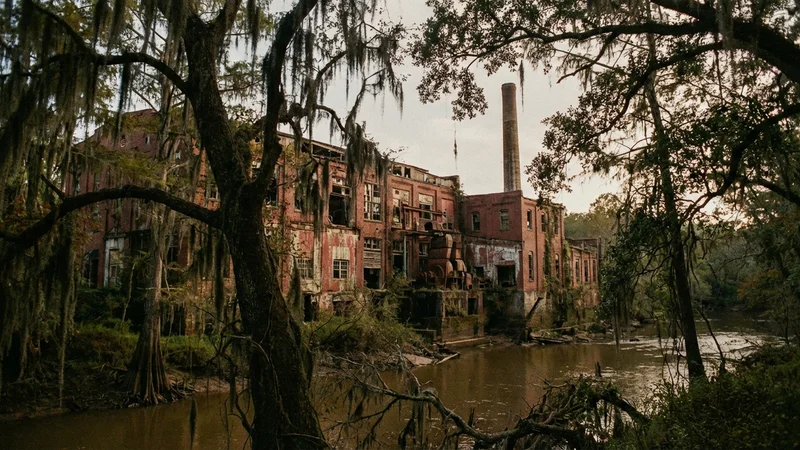
Georgia recorded 777 mesothelioma deaths between 1999 and 2017 (CDC WONDER), and its extensive documented industrial asbestos exposure traces to industries that shaped the state’s economy for generations. From Savannah’s waterfront to Atlanta’s construction boom to the paper mills of central Georgia, asbestos was embedded in the daily work of hundreds of thousands of people.
The workers who built the ships, ran the paper machines, and constructed the buildings are the ones receiving diagnoses now, decades after their last exposure. The disease was already forming in their lungs long before the material was recognized as deadly.
Savannah Shipyards
Savannah’s port has been one of the busiest on the Eastern Seaboard since the colonial era. During the 20th century, the city’s shipyard and maritime repair operations employed thousands of workers who built, repaired, and maintained naval and commercial vessels.
Shipyard work was among the most asbestos-intensive occupations in any industry. The material was used in virtually every system aboard a vessel. Steam and hot water pipes throughout a ship’s engine room and mechanical spaces were wrapped in asbestos insulation. Pipefitters and insulators cut, fit, and replaced this material in confined spaces where ventilation was minimal. Ship boilers were insulated with thick layers of asbestos to contain heat, and boilermakers who maintained and repaired these systems stripped old insulation and applied new material, releasing clouds of fibers in enclosed compartments.
Asbestos-containing spray was applied to bulkheads, overheads, and structural members as fireproofing. Workers in adjacent areas breathed these fibers during application and for years afterward as the material degraded. Valves, flanges, and pumps throughout a ship’s mechanical systems used asbestos gaskets to withstand heat and pressure, and engine room crews replaced these components as part of routine maintenance.
Workers at Savannah’s yards faced exposure levels that were orders of magnitude higher than in other industries, particularly those who worked below deck where asbestos fibers accumulated in enclosed spaces with limited air circulation. The same below-deck conditions produced elevated mesothelioma rates at naval shipyards nationwide, including the Brooklyn Navy Yard in New York, the Hunters Point and Long Beach yards in California, and the Jacksonville and Pensacola yards in Florida. National data on mesothelioma risk by occupation ranks shipyard workers among the highest-risk groups.
Paper and Pulp Mills
Georgia’s paper and pulp industry operated across the southern and central parts of the state, with mills in Macon, Savannah, Augusta, and smaller communities throughout the Coastal Plain. These mills processed Georgia’s abundant pine forests into paper, packaging, and pulp products.
Like paper mills across the country, including the Fox Valley mills in Wisconsin where documented mill-related asbestos exposure drove elevated mesothelioma rates, Georgia’s operations used asbestos at multiple points in the production process. Paper mills run on steam, and every pipe carrying steam from the boiler house to the production floor was insulated with asbestos. Pipefitters and insulators maintained these systems throughout their careers.
Machine felts, dryer roll insulation, gaskets, and packing materials contained asbestos to withstand the heat and friction of continuous production. Workers who operated and maintained these machines were in direct contact with the material. Winders, calenders, and heavy production equipment used asbestos brake pads, and mechanics released fibers into the air each time they serviced the brakes.
Atlanta Manufacturing and Construction
Atlanta’s explosive growth during the second half of the 20th century created a massive construction and manufacturing sector. Commercial buildings, public infrastructure, residential developments, and industrial facilities all used asbestos-containing materials.
Insulation contractors, pipefitters, electricians, HVAC workers, roofers, and demolition crews were exposed throughout the construction process. In older buildings, maintenance workers and renovators continued to encounter the material for decades after original construction.
Major manufacturing operations across the metro area, from automotive parts to textiles to chemical processing, used asbestos insulation and components in their facilities. Workers at these plants handled the material daily, often without protective equipment or knowledge of the risk.
Military Installations
Georgia hosts several major military installations where asbestos was used extensively in buildings, barracks, workshops, and equipment.
- Fort Stewart (Hinesville): One of the largest military installations on the East Coast, with decades of construction using asbestos-containing materials
- Fort Benning (Columbus): Home of the Infantry, with aging buildings and infrastructure containing asbestos insulation and fireproofing
- Kings Bay Naval Submarine Base: Nuclear submarine maintenance operations involving asbestos-insulated components
- Robins Air Force Base (Warner Robins): Aircraft maintenance and repair operations where asbestos was present in brake systems, insulation, and building materials
Service members and civilian employees at these installations may have been exposed during construction, maintenance, renovation, and demolition activities.
Take-Home Exposure
Georgia’s shipyard workers, paper mill employees, and construction tradespeople carried asbestos fibers home on their clothing, skin, and hair. Spouses who laundered work clothes and children in the household were exposed to the same fibers that were accumulating in workers’ lungs.
Courts across the Southeast have recognized take-home exposure as a valid basis for claims. In January 2026, the Virginia Supreme Court ruled that shipyard employers owe a duty of care to workers’ family members exposed through contaminated clothing, a decision with direct implications for Savannah shipyard families and secondary exposure claims nationwide. Families affected by secondhand exposure may have both lawsuit and trust fund options.
If you or a family member worked in a Savannah shipyard, Georgia paper mill, or Atlanta construction and manufacturing, an experienced mesothelioma attorney can help reconstruct the exposure history. Employment records, military service records, union documents, and product databases can identify which asbestos-containing products were used at specific facilities.
For legal outcomes from cases involving these exposure sites, see verdicts and settlements.
References
Agency for Toxic Substances and Disease Registry. ATSDR National Asbestos Exposure Map.
https://www.atsdr.cdc.gov/asbestos/sites/national_map/
Centers for Disease Control and Prevention. CDC WONDER Mortality Database.
https://wonder.cdc.gov/
Reader Q&A
Frequently Asked Questions
Which Savannah shipyards used asbestos?
Virtually all shipyard and maritime repair operations in the Savannah port area used asbestos. The material was standard in pipe insulation, boiler lagging, fireproofing, gaskets, and numerous other applications aboard naval and commercial vessels through the 1970s.
What jobs had the highest asbestos exposure in Georgia?
Shipyard workers (especially below-deck trades), pipefitters, insulators, boilermakers, and paper mill maintenance crews had the heaviest direct exposure. Construction tradespeople, power plant workers, and military maintenance personnel were also at elevated risk.
Were Georgia military bases asbestos exposure sites?
Yes. Fort Stewart, Fort Benning, Kings Bay Naval Submarine Base, and Robins Air Force Base all used asbestos in buildings, equipment, and infrastructure. Service members and civilian workers who maintained these facilities may have been exposed.
Can I file a claim if the shipyard or mill is closed?
Yes. Most asbestos claims target the manufacturers of the asbestos-containing products, not the employer or facility. Many of these manufacturers have established bankruptcy trust funds. An attorney can identify which trusts apply based on the specific products used at your workplace.
Do you need a permit in Atlanta to remove asbestos?
In Atlanta, Georgia, asbestos removal requires compliance with state regulations under the Georgia Asbestos Removal and Encapsulation Rule (Chapter 391-3-14), enforced by the Georgia Environmental Protection Division (EPD), which mandates licensing for abatement contractors and notifications for projects disturbing friable asbestos-containing material (ACM) above regulatory thresholds. Prior to demolition or renovation, an inspection by an accredited asbestos inspector is required to identify ACM, followed by removal by a Georgia-licensed asbestos removal company if friable or potentially friable materials will be disturbed. While Atlanta’s city permitting processes apply to development and zoning (via online portals), asbestos-specific handling falls under EPD rules rather than a standalone city permit, though documentation from licensed professionals satisfies local requirements. Non-compliance can lead to fines and project halts.
Does this house have asbestos?
Homes built before the 1980s often contain asbestos in materials like pipe insulation, attic insulation, vinyl floor tiles, textured ceilings, roofing shingles, and siding. Houses from 1930 to 1950 may have asbestos insulation, while textured paints and patching compounds used before their 1977 ban could also harbor it. The only way to confirm asbestos presence is through laboratory testing of suspect materials by qualified professionals, as visual inspection alone cannot identify it reliably. Undisturbed asbestos poses low risk, but damage or renovation can release fibers linked to mesothelioma.
What is the main industry in Atlanta, Georgia?
Atlanta’s economy is diversified across multiple major industries rather than dominated by a single sector. The aviation industry is particularly significant, with Hartsfield-Jackson Atlanta International Airport serving as one of the world’s busiest airports and supporting a large share of the metro area’s jobs and economic activity. Other major industries include logistics and supply chain management, FinTech, healthcare and biotechnology, and film and entertainment. This diverse industrial base, combined with the presence of major Fortune 500 companies like Coca-Cola and Home Depot, is considered one of Atlanta’s greatest economic assets.