Georgia Mesothelioma Data: 651 Deaths, 1999‑2015
CDC data on Georgia mesothelioma cases, deaths, and asbestos exposure across Atlanta, Savannah, and Augusta. County-level breakdown and state rankings.

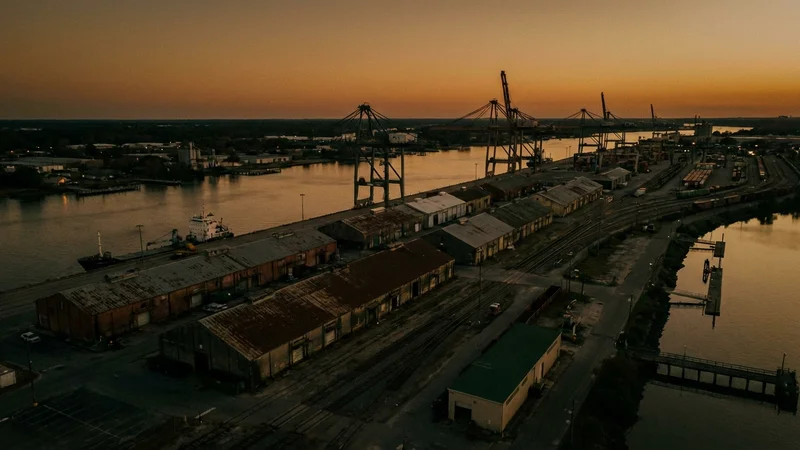
Georgia’s asbestos legacy is rooted in three industries that defined the state’s economy for most of the 20th century: shipbuilding in Savannah, paper manufacturing, and heavy industry across Atlanta and Augusta. CDC WONDER mortality data records 651 mesothelioma deaths in Georgia between 1999 and 2015, and new diagnoses continue as the 20 to 60-year latency period plays out for workers exposed in the 1960s through 1980s.
Georgia’s two-year statute of limitations is among the shortest in the country, making early legal consultation critical for anyone receiving a diagnosis.
State Rankings
For a full comparison of all 50 states, see our mesothelioma rates by state rankings.
| Metric | Georgia | National |
|---|---|---|
| Mesothelioma deaths (CDC WONDER, 1999-2015) | 651 | Tens of thousands nationally |
| Statute of limitations (PI) | 2 years from diagnosis | Varies by state |
| Key industries | Shipyards, paper, manufacturing | Varies by state |
County-Level Data
| County | Region | Key Industries | Risk Level |
|---|---|---|---|
| Gwinnett | Metro Atlanta | Manufacturing, construction | Highest in metro area |
| Fulton | Atlanta | Commercial construction, manufacturing | High |
| DeKalb | Metro Atlanta | Manufacturing, construction | High |
| Chatham | Savannah | Shipyards, port operations | High |
| Richmond | Augusta | Manufacturing, military installations | Elevated |
| Bibb | Macon | Paper mills, manufacturing | Elevated |
Gwinnett County’s elevated mesothelioma risk reflects the concentration of manufacturing and construction activity in the suburban industrial corridor during the post-war building boom. Workers who built and maintained commercial and industrial facilities in the rapidly growing suburbs handled asbestos-containing materials throughout their careers.
Chatham County, home to Savannah, carries a distinct exposure profile driven by the port’s shipyard and maritime industry. Shipyard workers faced some of the most concentrated asbestos exposure of any occupation, and the Savannah yards operated continuously through the decades when asbestos use was at its peak. The same shipyard exposure dynamic drove elevated rates at the Brooklyn Navy Yard in New York, the Hunters Point and Long Beach yards in California, and the Jacksonville yards in Florida.
Where Exposure Happened
Georgia’s asbestos burden traces to three primary sectors.
Shipyards
Savannah’s port and shipyard operations were a major source of asbestos exposure. Workers who built, repaired, and maintained naval and commercial vessels handled asbestos insulation, pipe covering, fireproofing, and boiler lagging in enclosed below-deck environments where fiber concentrations were highest.
Paper Mills
Georgia’s paper and pulp industry, concentrated in the southern and central parts of the state, used asbestos in paper machine components, steam pipe insulation, gaskets, and brake systems. Workers in mills across Macon, Savannah, and Augusta were exposed throughout their shifts.
Manufacturing and Construction
Atlanta’s rapid growth during the 20th century created thousands of construction and manufacturing jobs where asbestos was standard. Insulation, fireproofing, floor tile, roofing, and pipe covering in commercial buildings all contained asbestos. Workers in the construction trades, along with maintenance and demolition crews, faced chronic exposure.
Who Is Most at Risk
- Shipyard workers at Savannah port facilities and repair yards
- Paper mill workers across the southern and central Georgia corridor, facing exposure conditions similar to those in Wisconsin’s Fox Valley mills
- Pipefitters and insulators in manufacturing and commercial construction, one of the highest-risk occupational groups nationally
- Construction tradespeople working in pre-1980 commercial and public buildings
- Military personnel stationed at Georgia installations including Fort Stewart and Fort Benning, who face elevated risk across all service branches
- Power plant workers at coal-fired generating stations statewide
Georgia has a two-year statute of limitations for personal injury claims, running from the date of diagnosis. Wrongful death claims must also be filed within two years. This is shorter than many states and makes early legal consultation essential to preserve all options.
Legal Landscape
For an overview of all current treatment options, see the 2026 mesothelioma treatment landscape. Georgia’s asbestos trust fund claims are relevant across all of the state’s major exposure industries. The manufacturers who supplied asbestos-containing products to Georgia shipyards, paper mills, and construction projects have established bankruptcy trusts that still accept claims.
Verdicts and settlements in Georgia reflect the state’s industrial profile, with cases against manufacturers including Georgia-Pacific and 3M going to trial and producing multi-million dollar awards.
References
Centers for Disease Control and Prevention. CDC USCS Mesothelioma Report.
https://www.cdc.gov/united-states-cancer-statistics/publications/mesothelioma.html
Centers for Disease Control and Prevention. CDC WONDER Mortality Database.
https://wonder.cdc.gov/
CDC MMWR. Malignant Mesothelioma Mortality in the United States, 1999-2015.
https://www.cdc.gov/mmwr/volumes/66/wr/mm6608a3.htm
Didier et al. 2025, PMC. Mesothelioma Mortality Trends in the United States.
https://pmc.ncbi.nlm.nih.gov/articles/PMC12005915/
U.S. Geological Survey. Naturally Occurring Asbestos in the United States.
https://pubs.usgs.gov/of/2007/1182
Reader Q&A
Frequently Asked Questions
How many people in Georgia have died from mesothelioma?
CDC data records 651 mesothelioma deaths in Georgia between 1999 and 2015. New diagnoses continue because mesothelioma has a latency period of 20 to 60 years, meaning workers exposed in the 1960s through 1980s are still receiving diagnoses today.
What is the statute of limitations for mesothelioma in Georgia?
Georgia has a two-year statute of limitations for personal injury claims, starting from the date of mesothelioma diagnosis. Wrongful death claims must also be filed within two years. This is shorter than many other states.
Which Georgia counties have the highest mesothelioma risk?
Chatham County (Savannah) carries elevated risk from concentrated shipyard and port exposure. Gwinnett, Fulton, and DeKalb counties in metro Atlanta have elevated risk tied to the post-war manufacturing and construction boom. Richmond (Augusta) and Bibb (Macon) counties are elevated due to manufacturing and paper mill exposure histories.
Are mesothelioma cases still being diagnosed in Georgia?
Yes. Because mesothelioma has a latency period of 20 to 60 years, people exposed in the 1960s through 1980s are still receiving diagnoses. Georgia’s shipyard, paper mill, and manufacturing exposure continues to produce new cases.
Can families of shipyard workers file claims?
Yes. Both direct exposure claims and take-home exposure claims are available. Workers who were directly exposed and family members who inhaled fibers from contaminated clothing may have legal options, including asbestos trust fund claims and lawsuits.
What state has the most mesothelioma cases?
California has the highest number of mesothelioma cases among U.S. states according to CDC United States Cancer Statistics data. Florida, New York, and Pennsylvania also rank among the highest-burden states nationally, reflecting their histories of shipbuilding, manufacturing, and industrial construction. High rates link to historical asbestos use in shipyards, mining, oil refining, and naturally occurring asbestos deposits.
How much money can be expected to be paid out from a mesothelioma case?
Mesothelioma settlements vary widely. Most cases settle before trial, and when cases do go to verdict, awards depend on exposure history, diagnosis severity, and the number of defendants. For those with claims against multiple bankrupt manufacturers, asbestos trust fund payouts can add up across multiple claims. An attorney who handles mesothelioma cases can give a realistic estimate based on the specific exposure history.
Does Georgia have asbestos?
Georgia has the third highest number of natural asbestos deposit locations of any U.S. state, with 52 known sites catalogued by the U.S. Geological Survey, primarily because of the state’s position at the foot of the Appalachian Mountain Range. CDC WONDER data records 651 Georgia residents who died from mesothelioma between 1999 and 2015. Occupational asbestos exposure has occurred at power plants, shipyards, mills, military bases, and industrial facilities statewide. Georgia enforces asbestos removal regulations that require inspections for demolition or renovation and proper disposal of waste containing more than 1% asbestos. Homes built before 1980 commonly contain asbestos materials.