Florida Mesothelioma by the Numbers
Florida ranks second in cumulative mesothelioma cases. 5,619 cases (1999-2022), 3,300+ deaths, exposure across Tampa, Jacksonville, Miami.

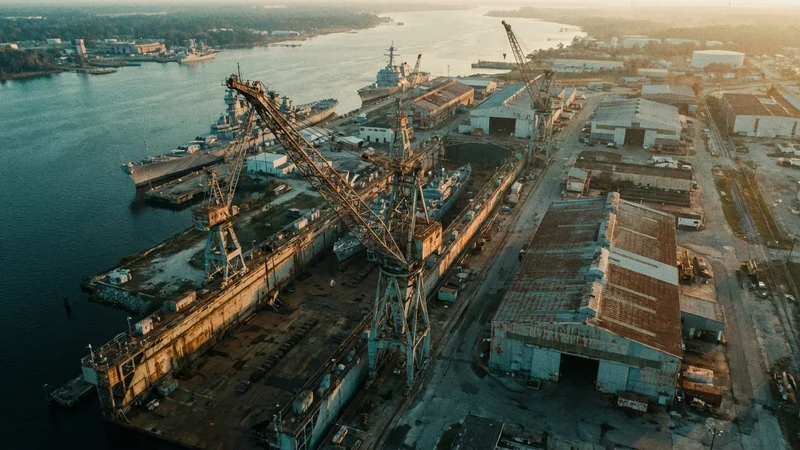
Florida’s mesothelioma burden is the second largest in the country by cumulative case count. Between 1999 and 2022, 5,619 people in Florida received a mesothelioma diagnosis, according to secondary sources reporting CDC USCS data. Through 2017, more than 3,300 Florida residents died from the disease, a toll that has continued to grow. Only California, with a larger population and its own industrial history, recorded more cases over the same period.
The reason is a combination of industries that defined Florida’s 20th-century economy. Naval shipyards in Jacksonville, military bases across the state, power plants serving a rapidly growing population, and a construction boom that stretched from the 1950s through the 1980s all used asbestos extensively. The workers who built that infrastructure are the ones receiving diagnoses now.
State Rankings
For a full comparison of all 50 states, see our mesothelioma rates by state rankings.
| Metric | Florida | National |
|---|---|---|
| Total mesothelioma cases (1999-2022, cumulative) | 5,619 (#2 in US) | CA leads nationally |
| Mesothelioma deaths (through 2017) | More than 3,300 | Varies by state |
| Key industries | Shipbuilding, military, power, construction | Varies by state |
| Statute of limitations (PI) | 4 years from diagnosis | Varies by state |
Metro Area Data
| Metro Area | Key Exposure Sources | Industries |
|---|---|---|
| Jacksonville | Naval shipyards, military bases, port facilities | Shipbuilding, Navy, power generation |
| Tampa/St. Petersburg | Shipyards, power plants, phosphate industry | Ship repair, utilities, mining |
| Miami/Fort Lauderdale | Construction, port operations, power plants | Commercial construction, utilities |
| Orlando | Military installations, construction, manufacturing | Defense, construction trades |
| Pensacola | Pensacola NAS, military shipyard operations | Naval aviation, ship repair |
Jacksonville carries the heaviest concentration of exposure sources in the state. The city’s naval shipyards, port facilities, and military infrastructure created a dense web of asbestos use that spanned decades, sharing the same exposure profile as Savannah’s shipbuilding yards in Georgia and the Philadelphia Navy Yard further up the coast. Tampa’s ship repair yards and phosphate processing industry added another corridor of exposure along the Gulf Coast.
Miami and Fort Lauderdale reflect a different pattern. The region’s rapid growth from the 1950s onward created massive demand for commercial construction, and asbestos was a standard building material through the early 1980s. Power plants built to serve the growing population added another layer of occupational exposure.
Where Exposure Happened
Florida’s asbestos burden traces to four primary sectors.
Shipbuilding and Ship Repair
Jacksonville Naval Air Station’s shipyard operations and Tampa’s port-based ship repair facilities were among the most asbestos-intensive workplaces in the state. Workers who built, maintained, and repaired naval and commercial vessels were surrounded by asbestos insulation, pipe covering, fireproofing, and boiler lagging. Below-deck work in enclosed compartments produced especially concentrated exposure.
Pensacola, Patrick, and Homestead Military Bases
Florida’s military installations created asbestos exposure for both military personnel and civilian workers. Pensacola Naval Air Station, Patrick Air Force Base, Homestead Air Reserve Base, and dozens of other facilities used asbestos in barracks, maintenance hangars, power plants, and infrastructure throughout the Cold War era.
Coal and Oil-Fired Power Stations
Florida’s rapid population growth in the mid-20th century required a buildout of electrical generation capacity. Coal-fired and oil-fired power plants across the state used asbestos insulation on boilers, turbines, steam pipes, and electrical components. Workers who built and maintained these plants, including boilermakers, pipefitters, insulators, and electricians, were exposed throughout their careers.
Post-War Construction Across the State
The Florida construction boom from the 1950s through the 1980s put asbestos-containing materials in commercial buildings, hotels, hospitals, schools, and residential structures across the state. Drywall joint compound, floor tiles, roofing materials, insulation, and fireproofing all contained asbestos. Construction tradespeople who cut, sanded, and installed these materials inhaled fibers on the job.
Who Is Most at Risk
- Shipyard workers at Jacksonville, Tampa, and Pensacola facilities
- Military personnel and civilian base workers at Florida’s numerous installations, with risk levels varying by branch of service
- Boilermakers and pipefitters at power plants statewide
- Construction tradespeople who worked in pre-1980 commercial and residential projects
- Insulators and maintenance crews across industrial and commercial facilities
- Port workers at Jacksonville, Tampa, Miami, and other coastal operations
The majority of Florida mesothelioma diagnoses occur in older adults, consistent with the 20 to 60-year latency period between exposure and diagnosis. Across all high-risk occupations, Florida’s shipyard and military base workers represent some of the highest-exposure categories nationally.
Florida has a four-year statute of limitations for personal injury claims, running from the date of diagnosis. Wrongful death claims must be filed within two years of the date of death. The four-year window is longer than most states, though tracing decades-old exposure takes time. Knowing how Florida’s deadline applies to a specific diagnosis, and keeping exposure records available, helps a family understand its options and decide on its own timeline.
Legal Options for Florida Workers
For an overview of all current treatment options, see the 2026 mesothelioma treatment landscape. Florida’s asbestos trust fund claims are particularly relevant for shipyard workers and military base personnel, who were exposed to products from multiple manufacturers throughout their careers. The companies that manufactured asbestos-containing insulation, pipe covering, gaskets, and fireproofing have established bankruptcy trusts that still accept claims.
Verdicts and settlements in Florida reflect the state’s industrial profile, with cases tied to shipyard exposure, military bases, power plants, and secondhand exposure from contaminated work clothing.
References
Centers for Disease Control and Prevention. United States Cancer Statistics (USCS) Data Visualizations.
https://gis.cdc.gov/Cancer/USCS/
Centers for Disease Control and Prevention. CDC WONDER Multiple Cause of Death 1999-2020 (ICD-10 C45, Florida).
https://wonder.cdc.gov/mcd-icd10.html
Centers for Disease Control and Prevention. MMWR: Malignant Mesothelioma Mortality in Women, United States, 1999-2020.
https://www.cdc.gov/mmwr/volumes/71/wr/mm7119a1.htm
The Florida Senate. Fla. Stat. § 95.11 (4-yr products personal-injury limitation; 2-yr wrongful death).
https://www.flsenate.gov/Laws/Statutes/2025/0095.11
Didier et al. 2025, PMC. Mesothelioma Mortality Trends in the United States.
https://pmc.ncbi.nlm.nih.gov/articles/PMC12005915/
Reader Q&A
Frequently Asked Questions
Why does Florida rank second for mesothelioma cases?
Florida’s combination of naval shipyards, military bases, power plant construction, and a massive commercial building boom created widespread asbestos exposure across the state’s workforce. The large population and long history of these industries resulted in more cumulative cases than nearly every other state.
What is the statute of limitations for mesothelioma in Florida?
Florida has a four-year statute of limitations for personal injury claims, starting from the date of mesothelioma diagnosis. Wrongful death claims must be filed within two years of the date of death.
Which Florida cities have the most mesothelioma cases?
Jacksonville, Tampa, Miami, and Orlando have the highest concentrations. Jacksonville’s naval shipyards and Tampa’s ship repair facilities are the most significant point sources, while Miami and Orlando reflect construction and military base exposure.
Are mesothelioma cases still being diagnosed in Florida?
Yes. Because mesothelioma has a latency period of 20 to 60 years, people exposed in the 1960s through 1980s are still receiving diagnoses. Florida continues to rank among the highest states for new cases annually.
Can veterans exposed at Florida bases file claims?
Yes. Veterans exposed at Florida military installations can pursue VA disability benefits, asbestos trust fund claims, and lawsuits against the manufacturers of asbestos-containing products. These compensation sources are independent of each other.
How common is asbestos in Florida?
Asbestos was extensively used throughout Florida during the 20th century. Homes built before the 1980s are likely to contain asbestos in materials such as floor tiles, ceiling tiles, insulation, drywall joint compound, and vinyl flooring. The state imported raw asbestos for processing at plants that operated until the 1980s, and the mineral was widely incorporated into building materials across the state. Beyond residential settings, asbestos was prevalent in Florida’s shipyards, power plants, oil refineries, chemical plants, and construction sites. Florida ranks second in the United States for cumulative mesothelioma cases (5,619 cases from 1999 to 2022, per CDC USCS), reflecting the scale of historical exposure. Deteriorating asbestos-containing materials in older buildings continue to pose risks today, particularly when renovation or demolition activities disturb these materials.
Will I be ok if I breathed in asbestos?
Breathing in asbestos fibers increases the risk of serious diseases, including mesothelioma, lung cancer, and asbestosis, with risks rising based on exposure dose, duration, and factors like smoking. Symptoms often appear decades after exposure; mesothelioma typically develops 20 to 50 years or more after initial contact. No level of exposure is considered completely safe, though short-term or low-level incidents generally carry lower risk than prolonged occupational exposure. Evidence from studies of exposed workers shows most mesotheliomas link to asbestos, but individual outcomes vary widely.
Can you remove asbestos yourself in Florida?
In Florida, anyone removing asbestos must be licensed by the state, which requires accredited training, an exam, and biennial renewal; unlicensed removal is prohibited and can result in penalties. While no federal law bans homeowners from asbestos removal, Florida regulations under the Department of Environmental Protection (Chapter 62-257, Florida Administrative Code) mandate licensed professionals for demolition or renovation involving asbestos-containing materials. Improper handling by untrained individuals risks releasing fibers linked to mesothelioma and other diseases, and professionals cannot enter sites with prior mishandling.